
Dangerous Foods to Fry at Home: Tips for Staying Safe with an Oven Glove
Turkey frying at home can quickly turn dangerous if you’re not careful. Many don’t realize how frozen foods and water oil reactions cause sudden flare-ups and splash burns in cooking. If you want to keep your kitchen safe, understanding these risks and using an oven glove the right way is key. This guide will walk you through the most dangerous foods to fry and how to protect yourself while deep frying at home. For more safety tips, visit this link.

Get FREE shipping on the Ove Glove today!
Understanding Deep Frying Safety
Deep frying can be fun, but it’s important to stay safe. Let’s explore how to fry safely at home, starting with protective gear.
Importance of Oven Gloves
Oven gloves are essential in the kitchen. They protect your hands from burns. When you’re deep frying, these gloves shield you from hot oil splashes. Imagine reaching over a bubbling pot without protection—your hands could be at risk. With oven gloves, you handle pots confidently and safely.
Always choose gloves designed for high heat. They should be heat-resistant and fit snugly. This ensures maximum protection. Remember, a good glove can make a big difference when frying.
Common Deep Frying Hazards
Deep frying has its dangers. Hot oil can splash unexpectedly. These splashes cause burns on your skin. It’s important to be aware of these risks.
Another hazard is overcrowding the fryer. Too much food lowers oil temperature, causing sogginess. Worse, it can trigger oil spills. Always keep an eye on your oil’s temperature. This prevents accidents and ensures delicious results.
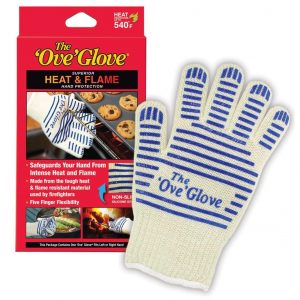
Protect your hands while cooking with the Ove Glove
Essential Safety Measures
Safety in the kitchen is crucial. Here are some measures to keep you safe while frying at home:
-
Keep a lid nearby: If a fire starts, cover the pot to smother flames.
-
Use a thermometer: Monitor oil temperature to prevent overheating.
-
Stay alert: Never leave frying food unattended.
These simple steps create a safer frying environment. Practice them regularly to build good habits.
Turkey Frying Hazards
Frying turkey has become popular, but it comes with unique risks. Let’s dive into what makes turkey frying hazardous and how to do it safely.
Risks of Frying Turkey
Frying turkey presents several dangers. The size of the bird can cause oil to overflow. This overflow leads to dangerous fires. Water from the turkey can also cause oil to splatter.
Cold weather poses another risk. People often fry turkeys outside during the holidays. Cold conditions can affect oil temperature control. Be cautious and plan carefully to avoid these hazards.
For more tips on safe turkey frying, check out this post.
Safe Practices for Turkey Frying
To fry turkey safely, follow these practices:
-
Thaw completely: Ensure the turkey is fully thawed and dry.
-
Use a stable fryer: Place the fryer on a flat surface.
-
Keep a safe distance: Fry away from buildings and flammable materials.
By following these steps, you minimize risks and enjoy your meal without worry.
Frozen Food Frying Dangers
Frying frozen foods brings its own set of challenges. Understanding these risks helps you cook safely.
Why Frozen Foods Pose Risks
Frozen foods and hot oil can be a dangerous mix. When frozen items hit hot oil, they cause violent reactions. This results in splattering and possible burns.
The moisture in frozen foods turns into steam rapidly. This rapid steam release causes oil to bubble over. Always be cautious when frying frozen items to avoid these issues.
Safe Methods for Deep Frying Frozen Foods
Here’s how to fry frozen foods safely:
-
Thaw if possible: Thaw frozen foods before frying to reduce moisture.
-
Use smaller batches: Fry smaller quantities to avoid oil overflow.
-
Keep distance: Stand back to avoid splashes.
These methods protect you from burns and ensure delicious fried treats.
Water and Oil Reactions
Water and oil are not friends in the kitchen. Let’s explore why and how to prevent dangerous reactions.
Understanding Water Oil Reactions
Water and hot oil create explosive reactions. When water enters hot oil, it rapidly turns to steam. This expansion causes oil to splatter violently. Even a few drops can cause trouble.
Understanding this reaction helps you stay safe. Always ensure food is dry before frying. This simple step can prevent messy and dangerous situations.
Preventing Dangerous Reactions
To avoid water and oil reactions, follow these tips:
-
Dry food thoroughly: Pat food dry with paper towels before frying.
-
Be cautious with ice: Remove ice crystals from frozen foods.
These precautions keep your kitchen safe and your cooking enjoyable.
Preventing Splash Burns in Cooking
Splash burns can happen quickly in the kitchen. Here’s how to avoid them while cooking.
Causes of Splash Burns
Splash burns occur when hot liquids touch the skin. Frying, boiling, and simmering can all cause splashes. When hot oil or water splashes, it can lead to painful burns.
Understanding these causes helps you prevent them. Awareness is the first step in kitchen safety.
Tips for Avoiding Splash Burns
Here’s how to avoid splash burns:
-
Use protective gear: Wear oven gloves and aprons.
-
Control your movements: Move slowly and carefully when handling hot liquids.
-
Use pot lids: Lids can act as shields against splashes.
Implementing these tips makes your cooking experience safer and more enjoyable. Remember, safety in the kitchen starts with you.


All major credit cards accepted
Free Shipping – Order – Track Order – Contact Us
How to Handle a Cast Iron Skillet Safely When It’s Hot
How to Handle a Cast Iron Skillet Safely When It's Hot Handling a hot cast iron skillet can feel like walking a tightrope without a safety net. One wrong move, and you risk burns or spills that ruin your cooking flow. This guide will share practical cooking safety tips and [...]
How to Safely Remove a Hot Baking Dish From the Oven
How to Safely Remove a Hot Baking Dish From the Oven Burns from hot baking dishes happen more often than you might think, and a split second of carelessness can ruin your day. You want to enjoy your delicious meals without risking painful accidents or messy spills. Learning how to [...]
Can You Use Oven Mitts on a Grill?
Can You Use Oven Mitts on a Grill? Grilling at high heat demands gear that keeps your hands safe from sudden flare-ups and scorching racks. Many wonder if their trusty oven mitts can handle the heat outdoors or if specialized grilling gloves are a must. This post breaks down what [...]
What Are the Best Oven Mitts for Cast Iron Pans?
What Are the Best Oven Mitts for Cast Iron Pans? Heavy cast iron pans demand more than just any oven mitt. If you’ve ever wrestled with thick, scorching cookware, you know how a poor grip or weak heat protection can ruin your cooking flow. This guide breaks down the best [...]
Do Oven Mitts Protect Against Steam?
Do Oven Mitts Protect Against Steam? Steam burns happen faster than you think, and not every oven mitt can stop them. If you rely on regular cotton mitts, your hands might still face serious heat and moisture damage. This post breaks down which oven mitts protect against steam and shares [...]
What Is the Best Material for Oven Mitts?
What Is the Best Material for Oven Mitts? Picking the right oven mitt can feel tougher than nailing a perfect souffle. With so many oven mitt materials out there, how do you know which one keeps your hands safe without slowing you down? Let’s break down the heat resistant mitts [...]


