
Mastering Oven Safety: Tips to Prevent Burns While Roasting Vegetables at High Heat
Roasting vegetables high heat brings out bold flavors, but it also pushes your kitchen safety to the edge. You might think turning up the oven only makes your veggies tastier, yet it can lead to unexpected burn risk cooking that catches many off guard. This guide breaks down how intense heat affects your food and cookware, plus shares oven safety tips and even cooking techniques to keep your roasting game strong without singeing your skin. For more on cooking safety, visit this helpful link.

Get FREE shipping on the Ove Glove today!
Understanding Burn Risks
Grasping the risks involved is the first step toward safe roasting. Cooking with high heat can bring out the best in vegetables, but also comes with hazards.
High Heat Effects on Vegetables
Roasting vegetables at high temperatures can make them crispy and flavorful. The intense heat caramelizes their natural sugars, enhancing the taste. However, this process can also cause parts of the vegetables to burn if not monitored closely. The key is to understand how long different vegetables take to roast and adjust your timing accordingly. For instance, carrots and potatoes require more time than softer vegetables like bell peppers.
Common Pitfalls in Roasting
Many cooks face challenges when roasting. One common issue is uneven cooking, which can result in some vegetables being perfectly done while others remain undercooked or burnt. This often happens when vegetables are cut unevenly or piled too high on the pan. Another problem is using the wrong type of oil, which can smoke at high temperatures and affect flavor. To avoid these pitfalls, ensure uniform cuts and use oils with a high smoke point, like avocado oil.
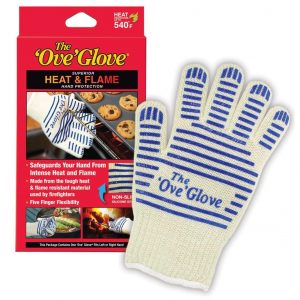
Protect your hands while cooking with the Ove Glove
Managing Hot Spots
Hot spots in your oven can lead to uneven cooking and burnt food. These are areas that tend to heat up more than others. To manage this, rotate your baking sheets halfway through cooking. If you notice certain spots consistently causing issues, consider adjusting your oven racks or getting your oven checked for temperature accuracy. Learn more about common roasting issues and solutions here.
Essential Oven Safety Tips
Now that we’ve explored the risks, let’s dive into keeping you safe while you roast. Proper equipment and techniques can make a big difference.
Proper Use of Oven Gloves
Using the right gloves is crucial for avoiding burns. Standard oven mitts may not always provide enough protection. Consider investing in gloves that can withstand higher temperatures and offer better grip. The Ove Glove is a popular choice because it’s designed to protect your hands from extreme heat while allowing flexibility and control. Remember to always use both hands when handling hot cookware to prevent accidents.
Effective Temperature Control
Mastering your oven’s temperature settings is vital. Even if your recipe suggests a particular temperature, it’s wise to use an oven thermometer to verify accuracy. Many ovens vary in their actual heat output. Adjust your settings based on the thermometer’s reading to ensure consistent results. For more tips on managing oven temperatures, check out these top rules of roasting.
Safe Timing Strategies
Timing is everything in cooking, especially when working with high heat. It’s easy to get distracted and lose track of time, leading to burnt dishes. Use a kitchen timer to keep track of your cooking intervals. Set reminders to check on your vegetables partway through to see if they need stirring or repositioning. This will help prevent overcooking and keep your veggies delicious.
Techniques for Even Cooking
Achieving even cooking is about preparation and attention to detail. By refining your techniques, you’ll ensure every bite is perfect.
Preparing Vegetables for Roasting
Preparation starts with washing and cutting your vegetables evenly. Uniform sizes ensure that everything cooks at the same rate. Before placing them in the oven, pat them dry to remove excess moisture, which can lead to steaming instead of roasting. Season them with oil and spices after drying to maximize flavor absorption.
Arranging for Uniform Heat
How you arrange your vegetables on the baking sheet matters. Spread them out in a single layer, allowing space between pieces for hot air to circulate. Overcrowding the pan leads to steaming, not roasting. This arrangement helps achieve that crispy texture you’re after. If you’re making a large batch, consider using two pans instead of one to maintain proper spacing.
Monitoring and Adjusting
Keep an eye on your vegetables as they roast. Open the oven door as little as possible to maintain temperature but check in periodically. Use a spatula to flip or stir them halfway through cooking. This promotes even browning on all sides. Adjust the oven rack or rotate the pan if you notice uneven roasting. Always prioritize safety by using oven gloves when handling hot items.
Practical Vegetable Roasting Tips
With these extra tips, you can enhance your roasting skills and make delicious vegetables safely.
Choosing the Right Cookware
Your choice of cookware affects the outcome. Opt for a heavy-duty baking sheet or roasting pan that distributes heat evenly. Avoid using glass or stoneware at high temperatures, as they can crack. A metal pan with a non-stick surface is ideal because it allows vegetables to brown without sticking.
Seasoning for Flavor and Safety
Seasoning is essential for tasty vegetables, but it also plays a role in safety. Use oils with high smoke points to avoid burning. Season with salt, pepper, and your choice of herbs before roasting. Adding spices afterward can enhance flavors without the risk of scorching during cooking.
Checking for Doneness Safely
Check if your vegetables are done by piercing them with a fork. They should be tender but not mushy. If they need more time, give them a few extra minutes and keep a close eye. Always use a long-handled fork or tongs to avoid burns when checking hot food. For more on ensuring doneness, visit this discussion on roasting techniques.
Preventing Accidents in the Kitchen
Staying safe in the kitchen is about more than just the oven. Your entire cooking space should be prepared to handle heat.
Organizing Your Cooking Space
A well-organized kitchen reduces accidents. Keep flammable items away from the stove and oven. Make sure your countertops are clear of clutter, giving you space to work safely. Store your oven gloves and other tools within easy reach.
Staying Focused and Aware
Focus is key when cooking with high heat. Distractions increase the risk of accidents. If you need to leave the kitchen, set a timer to remind you to return. Stay aware of your surroundings, and never leave the oven unattended.
Handling Emergencies Properly
Even with precautions, accidents can happen. Be prepared by knowing how to handle kitchen fires. Keep a fire extinguisher nearby and know how to use it. If a fire starts in the oven, keep the door closed and turn off the heat. For more on kitchen fire safety, visit this fire safety guide.
By understanding and applying these tips, you can enjoy delicious roasted vegetables without the risk of burns. Stay safe, and happy roasting!


All major credit cards accepted
Free Shipping – Order – Track Order – Contact Us
Tips to Prevent Common Kitchen Injuries
Safeguard Your Culinary Space: Tips to Prevent Common Kitchen Injuries Every year, thousands end up in the ER because of kitchen accidents that sneak up on even the most careful cooks. You might think a quick slice or a minor spill won’t cause trouble, but preventing burns, slips, and knife [...]
What Every Home Cook Needs to Know
Understanding Thermal Resistance: What Every Home Cook Needs to Know Most oven gloves fail when temperatures soar above 400 degrees. You don’t have to settle for burned hands or ruined meals. Understanding thermal resistance and the role of heat resistant materials like silicone cooking utensils, aramid fibers, and cotton insulation [...]
A Guide for Safe Cooking and Material Choices
Why Kitchen Surfaces Retain Heat: A Guide for Safe Cooking and Material Choices Some kitchen surfaces hold heat so long, they could burn you long after the stove is off. Knowing why this happens can save you from painful accidents and help you choose materials that suit your cooking style. [...]
Why Metal Racks Cause Severe Cooking Injuries
Understanding Heat Retention: Why Metal Racks Cause Severe Cooking Injuries Oven rack burns catch many home cooks off guard because these thin metal racks hold intense heat long after the oven is off. When your forearm or hand brushes against one, the pain can be far worse than you expect. [...]
How to Cook Safely and Avoid Kitchen Catastrophes
The Dangers of Oven Overcrowding: How to Cook Safely and Avoid Kitchen Catastrophes Stuffing your oven with too many dishes might seem like a time-saver, but it often backfires. Overcrowding blocks air flow, creating oven hot spots that burn some meals while leaving others undercooked. If you want to avoid [...]
Tips for Staying Safe with an Oven Glove
Dangerous Foods to Fry at Home: Tips for Staying Safe with an Oven Glove Turkey frying at home can quickly turn dangerous if you’re not careful. Many don’t realize how frozen foods and water oil reactions cause sudden flare-ups and splash burns in cooking. If you want to keep your [...]


