
Transform Your Pantry Staples into a Delicious Easy Vegan Recipe for Chocolate Cake
Baking a vegan chocolate cake doesn’t have to feel like a guessing game that ends in a dense, disappointing mess. You probably have all the pantry staples you need right now to whip up a light and fluffy cake that everyone will love. This easy vegan recipe breaks down each step so you won’t get stuck, plus offers simple swaps for gluten-free chocolate cake options. Stick with me, and you’ll master beginner baking tips that guarantee a no-fail cake every time. Check out this easy gluten-free vegan chocolate cake.
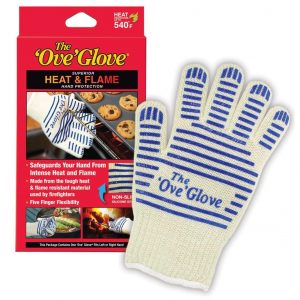
Never burn your hands again while cooking!

Easy Vegan Recipe Introduction
You’ve got those pantry staples, right? Perfect. Let’s turn them into a mouthwatering vegan dessert. With simple ingredients and straightforward steps, you’ll find this process as enjoyable as the cake itself. Your journey to a perfect bake begins here.
Pantry Staple Ingredients
What makes a vegan chocolate cake easy? The answer is right in your kitchen. You might be surprised to learn that basic ingredients are all you need:
-
Flour: All-purpose flour works best, but whole wheat is a good swap.
-
Cocoa Powder: Unsweetened for that rich chocolate flavor.
-
Baking Soda and Vinegar: The dynamic duo for that classic rise.
-
Plant-Based Milk: Almond and soy are favorites.
-
Sweetener: Sugar is common, but syrup can add depth.
Now, imagine mixing these up into something delightful. It doesn’t get better than that. With common ingredients, you skip the hassle of specialty shopping. Just open up your pantry and bake your way to bliss.
Beginner Baking Tips
Here’s your roadmap to success. Step one is all about prep. Preheat your oven and gather your tools. Trust us, it’s a time-saver. Next, measure precisely. Baking is a science, and every gram counts. Mix dry ingredients first. This avoids clumps.
Use two bowls: one for wet, one for dry. Combine them gently to keep the cake light. Overmixing leads to a dense dessert, and we want fluffy. Check your cake early. Ovens vary, and a toothpick test is your friend.
Crafting the Perfect Cake
So, you’ve mastered the basics. Let’s dive into transforming those ingredients into a no-fail masterpiece. Follow these steps, and you’ll impress even the toughest critics.
No-Fail Cake Recipe Steps
-
Preheat and Prep: Set your oven to 350°F. Grease a cake pan.
-
Mix Dry Ingredients: Combine flour, cocoa, and salt in a bowl.
-
Blend Wet Ingredients: Stir plant milk, oil, and vanilla separately.
-
Combine Carefully: Mix wet into dry, adding baking soda last.
-
Pour and Bake: Transfer to the pan and bake for 30 minutes.
That’s how you achieve a perfect bake. Baking is about patience and precision. With these steps, you ensure a delightful outcome every time. For more details, check out this detailed recipe.
Gluten-Free Chocolate Cake Options
Going gluten-free? No problem. Swap the flour with a gluten-free blend. Add a bit more liquid if the batter looks thick. Try almond flour for a nutty twist. It pairs perfectly with chocolate.
-
Almond Flour: Adds texture and compliments cocoa.
-
Gluten-Free Mix: Keeps cake structure without gluten.
-
Extra Liquid: Adjusts consistency for a smooth batter.
These swaps make it simple to bake for everyone. Gluten-free doesn’t mean flavor-free. You’re crafting a treat that satisfies all.
Avoiding Common Baking Mistakes
It’s easy to stumble, but not on our watch. Let’s uncover the secrets to keeping your cake light and troubleshooting potential pitfalls.
Light and Fluffy Cake Secrets
The key to a light cake lies in balance. Use fresh ingredients. Stale baking soda won’t give that rise. Sift your flour. This aerates it, making your cake more tender.
-
Fresh Ingredients: Ensure rising agents are active.
-
Sifting: Aerates flour, creating a softer texture.
-
Gentle Mixing: Keeps the batter airy.
These small changes make a big difference. Achieving fluffiness is all about technique.
Troubleshooting Dense Cakes
No one wants a cake that feels like a brick. If yours turns out dense, don’t worry. There’s always room for improvement.
-
Check Measurements: Too much flour can lead to heaviness.
-
Mind the Mixing: Overmixing can knock out air.
-
Correct Oven Temperature: Ensure it’s at 350°F, no more, no less.
These tips solve common issues. Baking is an art, and with these insights, you’re on your way to perfection. Explore this helpful guide for more insights.
With these strategies, you’re equipped to bake a cake that’s both vegan and delightful. Your pantry is the starting point, but your creativity makes the magic. Ready to impress with your newfound baking skills? Go ahead and get started!
Never burn your hands again while cooking!
Ove Glove Temperature Rating: How Much Heat Can It Handle?
Ove Glove Temperature Rating: How Much Heat Can It Handle? Most kitchen gloves claim to protect you from heat, but how much can the Ove Glove really handle? When you’re grabbing hot pans or pulling trays from the oven, knowing the exact temperature ratings of gloves matters. This post breaks [...]
Best Oven Gloves for Grilling and Outdoor Cooking
Best Oven Gloves for Grilling and Outdoor Cooking Most oven gloves struggle with the heat and mess of outdoor cooking. You need gloves that stand up to flames, water, and rough handling without slowing you down. This guide breaks down the best oven gloves for grilling, showing you which pairs [...]
How to Safely Remove a Hot Pan From the Oven
How to Safely Remove a Hot Pan From the Oven Removing a hot pan from the oven can quickly turn from a simple task into a painful mistake. Many home cooks underestimate the risks, leading to burns or spills that disrupt dinner plans. This guide breaks down how to remove [...]
How Hot Can an Oven Mitt Safely Handle? Temperature Guide
How Hot Can an Oven Mitt Safely Handle? Temperature Guide Most people assume all oven mitts can handle the same heat. That’s far from the truth—and it can put your fingers at risk. Knowing about oven mitt heat resistance and kitchen mitt materials can change how you protect yourself while [...]
Best Oven Gloves for Thanksgiving Turkey and Roasting Pans
Best Oven Gloves for Thanksgiving Turkey and Roasting Pans Handling a Thanksgiving turkey and heavy roasting pans without the right gloves is a recipe for burned hands and dropped dishes. When your oven mitts can’t keep up, the stress of holiday cooking only grows. Let’s cut through the noise and [...]
Why Do Oven Mitts Get Hot? 7 Reasons Your Hands Feel Heat
Why Do Oven Mitts Get Hot? 7 Reasons Your Hands Feel Heat Oven mitts are supposed to protect your hands from heat, but sometimes they leave you feeling painfully warm. You’re not alone if you’ve wondered why even the best mitts can let heat slip through. This post breaks down [...]


