Kitchen Safety Tips: Understanding Skin Burn Temperatures and Prevention
Burns in the kitchen happen faster than most people think, and knowing the exact skin burns temperatures can save you from painful mistakes. From hot oil hazards to steaming pots, everyday cooking hazards can cause serious first, second, or third degree burns in seconds. In this post, you’ll get clear kitchen safety tips and burn prevention advice that helps protect your skin while you cook, including when and why oven gloves matter the most. For more information, check out this resource on preventing burns and cuts at home.

Order the Ove Glove today and get FREE shipping!
Understanding Burn Temperatures
Exploring the temperatures that cause burns is crucial for kitchen safety. Knowing what leads to first, second, or third degree burns will help you protect yourself from serious injuries.
First, Second, Third Degree Burns
First-degree burns affect the outer layer of your skin. They’re often caused by brief contact with hot surfaces. Redness and minor discomfort are common. Second-degree burns impact deeper skin layers. They result in blisters and more pain, often from longer exposure to hot items. Third-degree burns are severe, affecting all skin layers and possibly muscles or bones. These result from prolonged contact with high temperatures or hot liquids, leading to serious damage.
Common Kitchen Burn Causes
Burns in the kitchen often come from touching hot surfaces or getting splashed by boiling liquids. When you’re cooking, it’s easy to forget that even a few seconds of contact with hot pans can result in burns. Handling boiling water or oil without caution increases the risk. Always be mindful of your surroundings while cooking to avoid such dangers.
Hot Oil Hazards
Hot oil can reach temperatures over 350°F quickly, making it a serious hazard. Even a small splash can cause burns. When frying food, use a thermometer to monitor oil temperature. Be cautious when adding food to hot oil to prevent dangerous splatters. Learn more about preventing burns in the kitchen.
Identifying Kitchen Hazards
Recognizing potential hazards in your cooking space can stop burns before they happen. Let’s see where these dangers often hide.
Cooking Burns from Heat Sources
Stovetops, ovens, and grills are common sources of heat-related burns. Even after turning them off, these surfaces remain hot. Always use caution when working around them. Use tools like pot holders or oven mitts to handle hot cookware and reduce the risk of burns.
Dangerous Temperatures of Stovetops
Stovetops can reach temperatures above 500°F, making them extremely dangerous. Always turn pot handles inward and never leave cooking food unattended. This simple practice can prevent many accidents. If you need a break, turn off the heat source to avoid potential hazards.
Steam and Boiling Water Risks
Steam is often overlooked, yet it can cause burns as severe as boiling water. When removing lids from pots, tilt them away from your face and hands to let the steam escape safely. Always be cautious around boiling pots to keep your skin safe.
Effective Burn Prevention Strategies
Preventing burns is easier than dealing with them. Here, you’ll find useful tips to keep yourself safe while cooking.
Kitchen Safety Tips for Home Cooks
Being aware of your surroundings is key in the kitchen. Keep flammable items like towels and curtains away from heat sources. Always supervise children when they’re near the stove or oven. Implementing simple habits can make your cooking environment safer.
How to Prevent Burns with Equipment
Use the right tools to keep yourself safe. Invest in pot holders and oven mitts. Consider using a splatter guard when frying to protect against hot oil. These tools are inexpensive and can significantly reduce the risk of burns.
Protect your hands while cooking with the Ove Glove
The Role of Oven Gloves and Ove Gloves
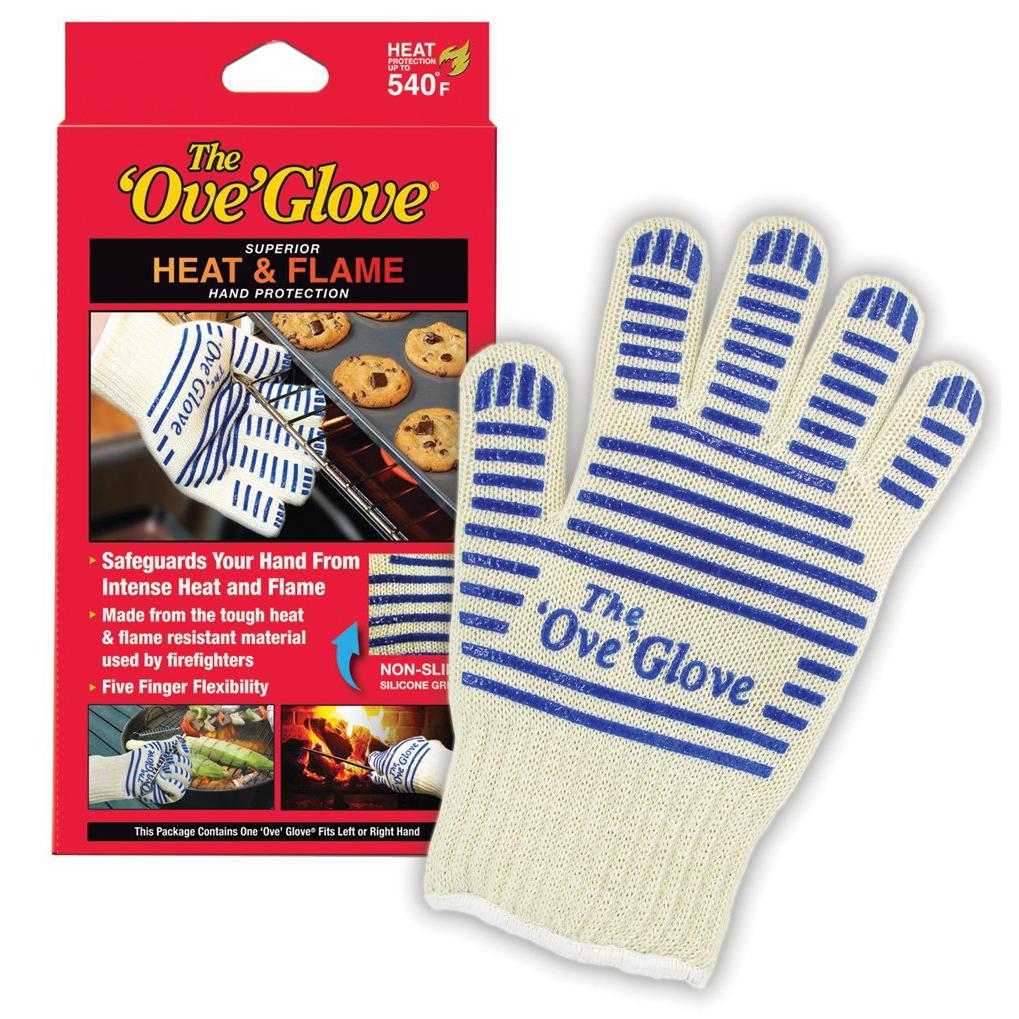
Oven gloves and Ove Gloves are essential in the kitchen. They shield your hands from extreme temperatures. These gloves are designed to withstand high heat, allowing you to handle hot cookware safely. Make sure your kitchen is stocked with these protective tools for added safety.
Creating a Safe Cooking Environment
Establishing a secure cooking environment is essential for everyone in your kitchen. With attention to detail, you can minimize risks and cook safely.
Recognizing Cooking Hazards Early
Spotting potential hazards early prevents accidents. Be aware of cluttered countertops or spills. Keep your cooking area tidy and organized, ensuring that nothing obstructs your movement or poses a danger.
Importance of Proper Kitchen Attire
Wearing appropriate clothing can prevent burns. Avoid loose sleeves or synthetic fibers that can catch fire. Opt for fitted, breathable fabrics that shield your skin from splashes and heat. This simple change can make a big difference in safety.
Safe Practices for Culinary Students
Culinary students should adopt meticulous habits. Always follow safety protocols and use protective gear. Staying alert and organized minimizes accident risks. Practicing safe habits now will serve you well throughout your career.
Enhancing Kitchen Safety Knowledge
Continual learning about kitchen safety can further reduce risks. Here’s how you can increase your knowledge and confidence.
Educational Resources for Burn Prevention
Many resources are available to expand your knowledge. Books, online courses, and workshops offer in-depth safety tips. Engaging with these materials can provide valuable insights into preventing kitchen burns. Check out these burn prevention fact sheets for more information.
Building Confidence in Kitchen Safety
Practicing safety builds confidence. The more you practice safe cooking habits, the more comfortable you’ll feel in the kitchen. Encourage others to learn and apply these skills, creating a safer cooking culture.
Encouraging Safe Cooking Habits
Promote safety by sharing what you learn with others. Discuss safe practices with family and friends. Encourage vigilance and make safety a group effort. Together, you can create a safer kitchen environment for everyone.
By understanding skin burns temperatures and implementing these tips, you can create a safer cooking environment. Stay informed and prepared to prevent accidents and protect yourself while enjoying the culinary arts.


All major credit cards accepted
Free Shipping – Order – Track Order – Contact Us
Best Heat Resistant Gloves for Cooking
Best Heat Resistant Gloves for Cooking Burning your fingers while cooking is more common than you think, and the wrong gloves can make it worse. You need heat resistant gloves that actually protect without sacrificing comfort or grip. This guide breaks down the best cooking gloves so you can handle [...]
Oven Mitts vs Pot Holders: Which Is Safer?
Oven Mitts vs Pot Holders: Which Is Safer? Most home cooks trust their oven mitts or pot holders without a second thought. Yet, not all kitchen accessories offer the same level of burn protection and heat resistance. This post breaks down the safety features of oven mitts versus pot holders, [...]
Best Oven Gloves for Grilling and BBQ
Best Oven Gloves for Grilling and BBQ Most oven gloves fail when the heat gets intense, leaving you risking burns or fumbling with your grill tools. If you’ve ever wished your grilling gloves could offer real protection without sacrificing comfort or grip, you’re not alone. This guide breaks down the [...]
Oven Mitts vs Oven Gloves: What’s the Difference?
Oven Mitts vs Oven Gloves: What's the Difference? Most people grab whatever is handy when reaching for hot cookware, but oven mitts and oven gloves are not the same. Choosing the wrong one can cost you in safety and comfort. This cooking tools comparison breaks down how their designs, materials, [...]
How to Protect Your Hands From Burns While Cooking
How to Protect Your Hands From Burns While Cooking Burns in the kitchen happen more often than you think, and they can ruin your cooking time fast. Keeping your hands safe isn’t just about luck—it’s about using the right tools and knowing smart ways to handle hot cookware. In this [...]
Best Oven Mitts for Dutch Ovens and Cast Iron Cookware
Best Oven Mitts for Dutch Ovens and Cast Iron Cookware Heavy cast iron and Dutch ovens hold heat like a furnace, making every grab a potential burn risk. If your oven mitts aren’t up to the task, you’re asking for trouble. This guide breaks down the best oven mitts for [...]