
Understanding the Difference Between Heat Resistant and Flame Resistant Materials
Heat resistant materials and flame resistant materials often get mixed up, but using the wrong one can cost you safety or durability. If you’re handling high temperature materials in kitchens or industrial settings, knowing the difference between heat and flame resistant options is key. This guide breaks down what sets them apart and helps you pick the right fit for your oven glove, fire safety needs, or construction projects. Keep reading to avoid costly mistakes and stay protected. For more insights, you can check out this resource.

Order the Ove Glove today and get FREE shipping!
Key Differences Explained
When it comes to safety and durability, understanding the difference between heat resistant and flame resistant materials can make all the difference. Let’s break down what sets them apart.
Heat Resistant vs Flame Resistant
Heat resistant materials can handle high temperatures without breaking down. This makes them perfect for kitchen tools or industrial gear. On the other hand, flame resistant materials are all about safety. They stop fires from spreading, which is critical in risky settings. So, choosing the right one depends on your needs: durability or safety.
High Temperature Materials
High temperature materials are designed to work under extreme heat. In kitchens, they are used in cookware and utensils that need to handle direct heat. In factories, they are found in equipment exposed to high temperatures. These materials keep their shape and functionality even when things heat up, making them a reliable choice for chefs and engineers alike.
Fire Safety Materials
Fire safety materials are not just about preventing fires; they’re about managing them when they happen. Fire resistant materials won’t catch fire easily. They are essential in any place where fire is a risk, like construction sites or manufacturing plants. Knowing which materials can protect you can be a lifesaver.
Properties of Heat Resistant Materials
Heat resistant materials are built to withstand high temperatures. Let’s see how these properties apply in different settings.
Withstanding High Temperatures
These materials are like a shield against heat. They stay strong and maintain their form even when the temperature rises. This is crucial in environments where heat is a constant, such as in certain manufacturing processes. The ability to resist heat without degrading ensures that tools and machinery continue to function effectively.
Ideal Uses in Kitchens
In the kitchen, heat resistance is essential. Think of pots, pans, and baking trays. They need to handle constant exposure to heat without warping or melting. This makes heat resistant materials a staple in any culinary setting. Reliable gear means better cooking outcomes and improved safety for you and your team.
Industrial Applications of Materials
In industrial settings, heat resistant materials play a crucial role. They are used in equipment that operates at high temperatures, like in metal processing or glass manufacturing. By selecting materials that can stand up to these conditions, you ensure longevity and performance in your industrial operations.
Properties of Flame Resistant Materials
Flame resistant materials are all about stopping fire in its tracks. These properties are crucial for safety.
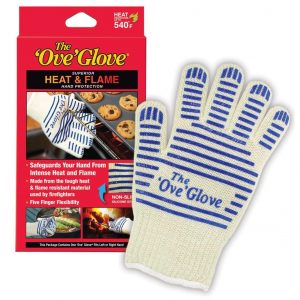
Protect your hands while cooking with the Ove Glove
Preventing Ignition and Spread
Flame resistant materials are designed to prevent ignition. If they do catch fire, they slow down the spread. This gives you valuable time to react and manage the situation. These materials are vital in settings where fire hazards are present, ensuring the safety of people and property.
Ensuring Safety in High-risk Areas
High-risk areas demand additional safety measures. Flame resistant materials help reduce the risk of fire-related accidents. Whether in a laboratory, workshop, or warehouse, these materials contribute to a safer work environment. Your team can focus on their tasks knowing they have an added layer of protection.
Fire Safety in Construction
In construction, fire safety is non-negotiable. Materials used in buildings must meet stringent safety standards. Flame resistant materials are often part of this equation, helping to protect structures and, more importantly, lives. Investing in the right materials can prevent catastrophic events.
Choosing the Right Material
Selecting the right material involves understanding your specific needs and the environment you’ll be working in.
Selection Guide for Materials
Here’s your guide to choosing wisely:
-
Identify Needs: Know if you need heat or flame resistance.
-
Consider Environment: Kitchens, factories, or construction sites have different demands.
-
Check Standards: Ensure materials meet safety and quality standards.
-
Consult Experts: When in doubt, seek professional advice.
Kitchen Safety Essentials
For a safe kitchen, invest in heat resistant tools. Oven gloves, baking trays, and pots should all withstand high temperatures. This minimizes the risk of accidents and ensures a smooth cooking process. A well-equipped kitchen is not just efficient; it’s safe.
Industrial Safety Considerations
In industrial settings, the right material can prevent downtime and accidents. Choose heat resistant materials for equipment that faces high temperatures daily. For areas with fire risks, opt for flame resistant options. This proactive approach protects your team and your investment.
Practical Applications and Products
Now, let’s explore some real-world applications and products that use these materials effectively.
Ove Glove and Oven Glove
Products like the Ove Glove and Oven Glove highlight the practical use of heat resistant materials. They protect your hands from burns when handling hot dishes. These gloves are a kitchen staple, combining safety with convenience.
Everyday Uses in Home and Work
Beyond the kitchen, these materials have everyday uses. From protecting work surfaces to ensuring safety gear meets industry standards, their versatility is unmatched. They make everyday activities safer and more efficient.
Benefits for Entrepreneurs and Business Owners
For entrepreneurs, choosing the right materials can affect the bottom line. Durable, reliable materials reduce costs and improve safety, leading to a more efficient operation. As a business owner, investing in quality materials is a smart move that pays off in the long run.


All major credit cards accepted
Free Shipping – Order – Track Order – Contact Us
Mastering the Art of Gluten-Free Zucchini Bread
Mastering the Art of Gluten-Free Zucchini Bread Most zucchini bread ends up dry or soggy, missing that perfect moistness you crave. You’ve tried recipes that fail to balance moisture and texture, leaving you frustrated. This zucchini bread recipe shows you how to get it just right, with tasty add-ins, gluten-free [...]
Customizing Chicken and Dumplings with Veggies
Easy Dinner Ideas: Customizing Chicken and Dumplings with Veggies Slow cooker chicken and dumplings often fall flat when the veggies are bland and the gravy is thin. You want a meal that feels like a warm hug without standing over the stove for hours. This guide shows you how to [...]
Overcome Common Baking Failures with These Egg Replacements
Overcome Common Baking Failures with These Egg Replacements Baking without eggs often leads to dry, crumbly cookies or cakes that just don’t rise right. You’ve tried a few egg substitutes but ended up with mixed results and some common baking failures. This guide breaks down the best egg replacements like [...]
The Ultimate Guide to Protein Powder Pancakes
Mastering Nutrition: The Ultimate Guide to Protein Powder Pancakes Most breakfasts leave you hungry by mid-morning, even when you try to eat healthy. That’s where high protein pancakes come in—packed with cottage cheese and protein powder for a filling start. This guide shows you how to make fluffy pancakes with [...]
How to Cook the Perfect Tuscan Chicken with Sun-Dried Tomatoes
How to Cook the Perfect Tuscan Chicken with Sun-Dried Tomatoes Most chicken dinners end up dry or bland, leaving you frustrated and hungry for more. This Marry Me Chicken recipe breaks that cycle with tender chicken bathed in a creamy sauce, brightened by sun-dried tomatoes. You’ll find easy tips to [...]
Elevate Your Cooking with Personalized Hot Honey
Homemade Honey Variations: Elevate Your Cooking with Personalized Hot Honey Most store-bought hot honey blends miss the mark when you want just the right kick. You’re left guessing how much heat suits your taste, or stuck with flavors that don’t quite fit your dishes. This hot honey recipe lets you [...]


