
What Are the Best Oven Mitts for Cast Iron Pans?
Heavy cast iron pans demand more than just any oven mitt. If you’ve ever wrestled with thick, scorching cookware, you know how a poor grip or weak heat protection can ruin your cooking flow. This guide breaks down the best oven mitts for cast iron, focusing on heat resistant mitts that offer strong grip and lasting durability. Stick around to find product recommendations that help you handle your cast iron pans safely and with confidence. For more information, check out these essential tips for preventing steam burns.

Get FREE shipping on the Ove Glove today!
Understanding the Importance of Oven Mitts
Oven mitts are more than just kitchen accessories. They are your first line of defense against burns and spills. Let’s explore what makes them crucial for safe cooking.
Essential Features for Safety
When picking oven mitts, safety features come first. Look for mitts that protect at high temperatures. They should cover your wrists too. A snug fit enhances control, reducing the risk of accidents. Some mitts offer added padding to shield against steam burns, a frequent hazard in cooking.
Another key aspect is flexibility. You need to move your fingers easily for better grip and handling. If your mitts are too stiff, they might slip at the worst moment. So, a balance of protection and movement is ideal.
Why Cast Iron Needs Special Mitts
Cast iron cookware is unique due to its heft and heat retention. Regular mitts might not cut it. You need mitts designed to handle extra weight and high heat. Cast iron stays hot for longer, so prolonged heat resistance is a must.
For instance, you might be baking cornbread in a cast iron skillet. As you reach in the oven, your mitts need to withstand the intense heat radiating from the pan. This is where specialized mitts show their worth. They give you the confidence to lift heavy cookware without fear.
Key Features of Heat Resistant Mitts
Understanding the materials and design features can guide you to the best oven mitts for cast iron.
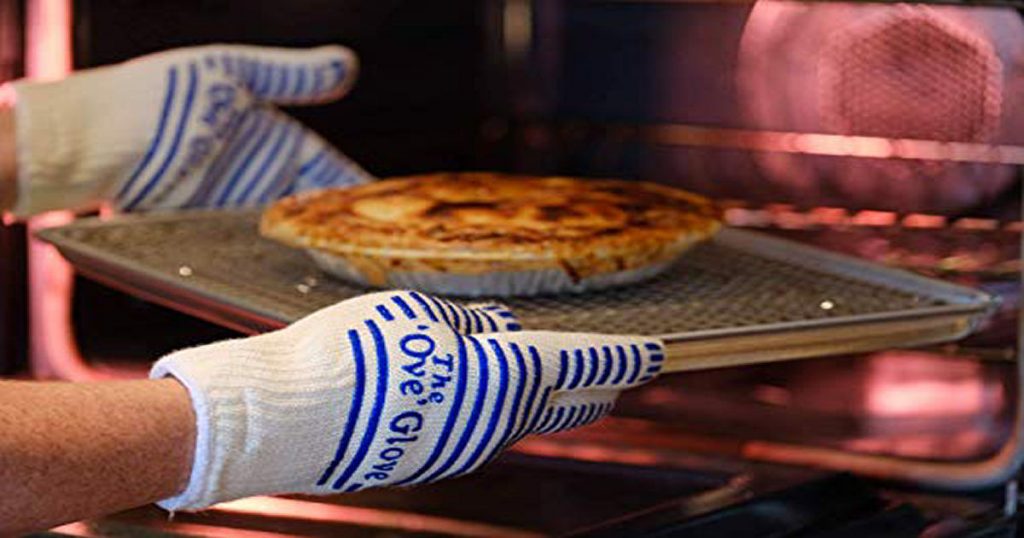
Keep your hands safe while cooking! Order today!
Material Durability Explained
Durability in oven mitts often comes from the materials used. Silicone is a popular choice due to its heat resistance and flexibility. It can handle temperatures up to 500°F. Cotton mitts, often lined with silicone or other heat-resistant materials, offer comfort and protection.
Leather is another durable option. It’s naturally heat-resistant and provides a solid grip. However, it may lack the flexibility of silicone. So, choose based on your cooking habits and comfort preferences.
Grip Strength for Heavy Lifting
Grip is crucial when dealing with heavy pans. The best oven mitts have textured surfaces that keep hold of slippery handles. Silicone grips, with their non-slip texture, offer excellent traction.
Consider this: You’re making a roast in a cast iron dutch oven. As you pull it out, a solid grip helps you avoid spills and burns. Some mitts even have added finger grips for better control. This feature is invaluable when precision matters.
Best Oven Mitts for Cast Iron
Finding the perfect mitts can transform your cooking experience. Here are some top picks for cast iron use.
Top Product Recommendations
-
Ove Glove: Known for its high heat resistance, the Ove Glove is a favorite. Its unique design allows for finger flexibility, crucial for gripping cast iron handles.
-
Silicone Mitts: These heavy-duty mitts boast excellent heat resistance and a non-slip surface, perfect for handling hefty cookware.
-
Leather Mitts: For those who prefer natural materials, leather mitts offer durability and a comfortable fit. They mold to your hand over time, enhancing grip.
User Reviews and Insights
Users rave about the durability of silicone mitts. They appreciate the long-lasting heat protection, even after multiple uses. The Ove Glove receives praise for its unique design, allowing better maneuverability with cast iron pans.
Leather mitts, while less common, have a loyal following. Many appreciate their classic look and rugged build. Users note that the leather softens with use, improving comfort and grip over time.
Ensuring Cast Iron Cookware Safety
Safety with cast iron is about more than just mitts. Here are some tips to keep your kitchen safe.
Tips for Safe Handling
-
Always use both hands: Even with strong mitts, two hands provide better support.
-
Avoid sudden movements: Slow and steady wins the race. Quick jerks can lead to spills.
-
Keep your mitts dry: Wet mitts conduct heat faster, increasing burn risk. Check for moisture before handling hot items.
Maintaining Your Oven Mitts
Proper care extends the life of your mitts. Wash them regularly to remove grease and food particles. For silicone mitts, a simple wipe with a damp cloth suffices. Cotton and leather might need more attention. Follow care instructions to avoid damage.
Making the Right Choice
Choosing the right oven mitts can seem daunting. Let’s break down the decision process.
Comparing Brand Options
When comparing brands, consider:
-
Material: Silicone and leather offer different benefits.
-
Heat resistance: Check the temperature rating.
-
Fit and comfort: Ensure your mitts allow easy movement.
-
User reviews: Real-life experiences can guide your choice.
How to Choose the Best Fit
Finding the perfect fit involves trying different styles. Consider how you use your cookware. Do you prioritize flexibility or maximum protection? Understanding your needs will lead you to the right choice.
Frequently Asked Questions
What makes oven mitts heat resistant?
Oven mitts are heat resistant due to the materials used in their construction. Silicone and specially treated fabrics can withstand high temperatures, making them ideal for handling hot cookware.
Why are silicone mitts popular for cast iron use?
Silicone mitts are favored for cast iron because they offer excellent grip and heat resistance. The non-slip texture helps keep a firm hold on heavy pans, while the material withstands temperatures up to 500°F.
How should I care for leather oven mitts?
Leather oven mitts require gentle cleaning and conditioning. Wipe them with a damp cloth to remove grime, and use leather conditioner to keep them soft and supple. Avoid soaking them in water to preserve their durability.


All major credit cards accepted
Free Shipping – Order – Track Order – Contact Us
Top Indicators It’s Time to Replace Your Kitchen Equipment for Safer Cooking
Top Indicators It's Time to Replace Your Kitchen Equipment for Safer Cooking Your oven glove might look fine at first glance, but worn-out fabric and melted surfaces signal serious risks. Ignoring wear and tear signs on your kitchen safety gear can turn everyday cooking into a dangerous task. Spotting these [...]
Avoiding Burns When Reheating Food in Glass
Mastering Microwave Safety: Avoiding Burns When Reheating Food in Glass Burns from reheating food in glass bakeware happen more often than you think. Many people don’t realize how crucial microwave safe glass and proper cooling times are to prevent thermal shock in glass. By using oven mitts safety and spotting [...]
Essential Kitchen Safety Tips for Preventing Burns
Protect Your Home: Essential Kitchen Safety Tips for Preventing Burns Most home cooks focus on stovetops and ovens when thinking about kitchen safety, but there’s a hidden danger many miss: hot cabinet doors. These surfaces can heat up enough to cause painful burns without warning. By spotting how heat travels [...]
Tips to Prevent Common Kitchen Injuries
Safeguard Your Culinary Space: Tips to Prevent Common Kitchen Injuries Every year, thousands end up in the ER because of kitchen accidents that sneak up on even the most careful cooks. You might think a quick slice or a minor spill won’t cause trouble, but preventing burns, slips, and knife [...]
What Every Home Cook Needs to Know
Understanding Thermal Resistance: What Every Home Cook Needs to Know Most oven gloves fail when temperatures soar above 400 degrees. You don’t have to settle for burned hands or ruined meals. Understanding thermal resistance and the role of heat resistant materials like silicone cooking utensils, aramid fibers, and cotton insulation [...]
A Guide for Safe Cooking and Material Choices
Why Kitchen Surfaces Retain Heat: A Guide for Safe Cooking and Material Choices Some kitchen surfaces hold heat so long, they could burn you long after the stove is off. Knowing why this happens can save you from painful accidents and help you choose materials that suit your cooking style. [...]


