
Understanding Thermal Resistance: What Every Home Cook Needs to Know
Most oven gloves fail when temperatures soar above 400 degrees. You don’t have to settle for burned hands or ruined meals. Understanding thermal resistance and the role of heat resistant materials like silicone cooking utensils, aramid fibers, and cotton insulation can change the way you cook safely at high temperatures. Let’s explore what makes these materials stand up to heat and protect you in the kitchen. For more insights, check out this link.

Get FREE shipping on the Ove Glove today!
The Basics of Thermal Resistance
Thermal resistance is a key concept that can help you cook more safely. It’s all about how materials manage heat transfer, which we’ll break down next.
Understanding Heat Transfer
Heat transfer occurs in three ways: conduction, convection, and radiation. In cooking, conduction is the primary method. When you place a pan on a hot stove, heat moves from the burner through the pan to your food. Materials that effectively resist this transfer help keep heat where it belongs, reducing the risk of burns. For a deep dive into heat transfer, this article offers a detailed explanation.
Importance in Cooking Safety
Safety in the kitchen starts with understanding how to manage heat. Many cooking mishaps happen when heat isn’t controlled effectively. Using materials with high thermal resistance prevents burns and ensures meals cook evenly. By choosing the right tools, like silicone cooking utensils, you protect both yourself and your food.
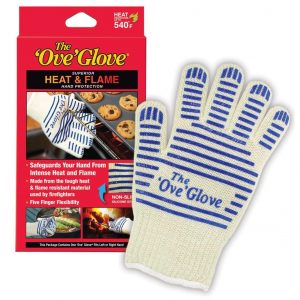
Protect your hands while cooking with the Ove Glove
Exploring Heat Resistant Materials
Choosing the right materials for your kitchen tools can make a big difference. Let’s look at some top performers in heat resistance.
Silicone Cooking Utensils
Silicone is a versatile material that withstands high temperatures without melting or degrading. It’s perfect for spatulas, baking mats, and even oven mitts. Unlike metal or wood, silicone won’t scratch your cookware, making it a favorite for many home cooks. Its flexibility and durability ensure it retains shape even under stress. Check out why silicone is preferred over other materials in this comparison.
Aramid Fibers in Kitchen Gear
You might not have heard of aramid fibers, but they’re crucial in high-performance kitchen gear. Known for their strength and heat resistance, these fibers are used in products like oven gloves and heat-protective clothing. Aramid fibers can withstand temperatures up to 900 degrees, making them a top choice for safety gear. Discover more about their applications in this analysis.
Cotton Insulation for Protection
Cotton, often overlooked, offers excellent insulation properties. When combined with other materials, it enhances the thermal resistance of oven mitts and pot holders. Its natural fibers provide breathability while still shielding your hands from heat. Cotton is a cost-effective and reliable option for everyday kitchen use.
Choosing the Right High Temperature Gear
With so many choices, selecting the right gear can be daunting. Here’s why an oven glove might be your best bet.
Benefits of an Oven Glove
Oven gloves offer superior protection compared to standard mitts. They cover more of your hand and wrist, reducing the risk of burns. Designed with layered materials, they provide a barrier against extreme temperatures. Opting for a high-quality oven glove can save you from painful kitchen accidents.
Comparing Ove Glove to Traditional Mitts
When comparing the Ove Glove to regular mitts, the differences are clear. Traditional mitts often lack the flexibility needed for a firm grip. The Ove Glove, made with aramid fibers, offers enhanced mobility and heat resistance. Its design allows you to handle hot dishes with confidence, proving its value over conventional options.
Caring for Your Cooking Tools
Proper care extends the life of your kitchen tools, ensuring they perform at their best.
Cleaning and Maintenance Tips
To keep your tools in top shape, regular cleaning is essential. Silicone utensils can be washed in warm soapy water or placed in the dishwasher. Avoid harsh chemicals that can degrade the material. For aramid fiber gloves, follow manufacturer instructions, usually involving gentle hand washing.
Extending the Lifespan of Your Gear
Storing your tools correctly prevents damage. Keep your utensils in a dry, cool place, and avoid stacking heavy items on top of them. Regularly inspect for wear and tear, replacing items as needed to maintain safety standards.
Enhancing Your Culinary Practice
Improving your kitchen skills involves more than just tools. Let’s explore tips for cooking at high temperatures safely.
Tips for Safe High Temperature Cooking
Working with high heat requires caution. Always use the right tools, like silicone utensils and oven gloves, to protect yourself. Ensure your workspace is organized, and keep flammable items away from heat sources. These practices reduce the risk of accidents and enhance your cooking experience.
Investing in Quality Materials
Investing in quality kitchen materials pays off in safety and performance. High-grade silicone and aramid fibers might cost more upfront, but their durability and effectiveness save money long term. By choosing quality, you ensure a safer and more enjoyable cooking journey.
In summary, understanding thermal resistance and selecting the right materials can transform your cooking experience. Equip your kitchen with the best tools to enjoy safe and delicious meals every time.


All major credit cards accepted
Free Shipping – Order – Track Order – Contact Us
Ove Glove Temperature Rating: How Much Heat Can It Handle?
Ove Glove Temperature Rating: How Much Heat Can It Handle? Most kitchen gloves claim to protect you from heat, but how much can the Ove Glove really handle? When you’re grabbing hot pans or pulling trays from the oven, knowing the exact temperature ratings of gloves matters. This post breaks [...]
Best Oven Gloves for Grilling and Outdoor Cooking
Best Oven Gloves for Grilling and Outdoor Cooking Most oven gloves struggle with the heat and mess of outdoor cooking. You need gloves that stand up to flames, water, and rough handling without slowing you down. This guide breaks down the best oven gloves for grilling, showing you which pairs [...]
How to Safely Remove a Hot Pan From the Oven
How to Safely Remove a Hot Pan From the Oven Removing a hot pan from the oven can quickly turn from a simple task into a painful mistake. Many home cooks underestimate the risks, leading to burns or spills that disrupt dinner plans. This guide breaks down how to remove [...]
How Hot Can an Oven Mitt Safely Handle? Temperature Guide
How Hot Can an Oven Mitt Safely Handle? Temperature Guide Most people assume all oven mitts can handle the same heat. That’s far from the truth—and it can put your fingers at risk. Knowing about oven mitt heat resistance and kitchen mitt materials can change how you protect yourself while [...]
Best Oven Gloves for Thanksgiving Turkey and Roasting Pans
Best Oven Gloves for Thanksgiving Turkey and Roasting Pans Handling a Thanksgiving turkey and heavy roasting pans without the right gloves is a recipe for burned hands and dropped dishes. When your oven mitts can’t keep up, the stress of holiday cooking only grows. Let’s cut through the noise and [...]
Why Do Oven Mitts Get Hot? 7 Reasons Your Hands Feel Heat
Why Do Oven Mitts Get Hot? 7 Reasons Your Hands Feel Heat Oven mitts are supposed to protect your hands from heat, but sometimes they leave you feeling painfully warm. You’re not alone if you’ve wondered why even the best mitts can let heat slip through. This post breaks down [...]


