
What Is the Best Material for Oven Mitts?
Picking the right oven mitt can feel tougher than nailing a perfect souffle. With so many oven mitt materials out there, how do you know which one keeps your hands safe without slowing you down? Let’s break down the heat resistant mitts you’ve heard about—cotton, silicone, and aramid—and find out which one fits your kitchen style best. For more insights, you might want to explore some of the best heat resistant gloves for chefs.

Get FREE shipping on the Ove Glove today!
Understanding Oven Mitt Materials
Choosing the right oven mitt material is essential for ensuring both safety and comfort in the kitchen. Each material offers unique benefits that cater to different cooking styles and preferences.
Cotton: Classic Choice
Cotton mitts have been a kitchen staple for many years. They provide a cozy fit and come in various patterns, adding a touch of personal style to your cooking space. While cotton mitts offer basic protection, they are most effective for tasks that require lower heat levels. They are breathable and comfortable, but their heat resistance is limited compared to other materials. If you’re looking for something stylish and affordable, cotton might be your go-to.
Silicone: Modern Solution
Silicone mitts have gained popularity for their excellent heat resistance and flexibility. They can withstand higher temperatures, making them ideal for handling hot pots and pans. The non-slip grip is a major advantage, allowing you to handle kitchenware with confidence. Silicone mitts are also waterproof and easy to clean, which is a big plus for busy cooks. For those who prioritize safety and convenience, silicone offers a modern and practical solution.
Aramid: High-Performance Option
Aramid fibers are known for their high heat resistance, making them a top choice for serious chefs and bakers. These mitts offer superior protection, allowing you to handle extremely hot items without worry. They are durable and built to last, which can be a worthy investment for frequent cooks. If you need the best protection and are willing to invest a bit more, aramid mitts are worth considering.
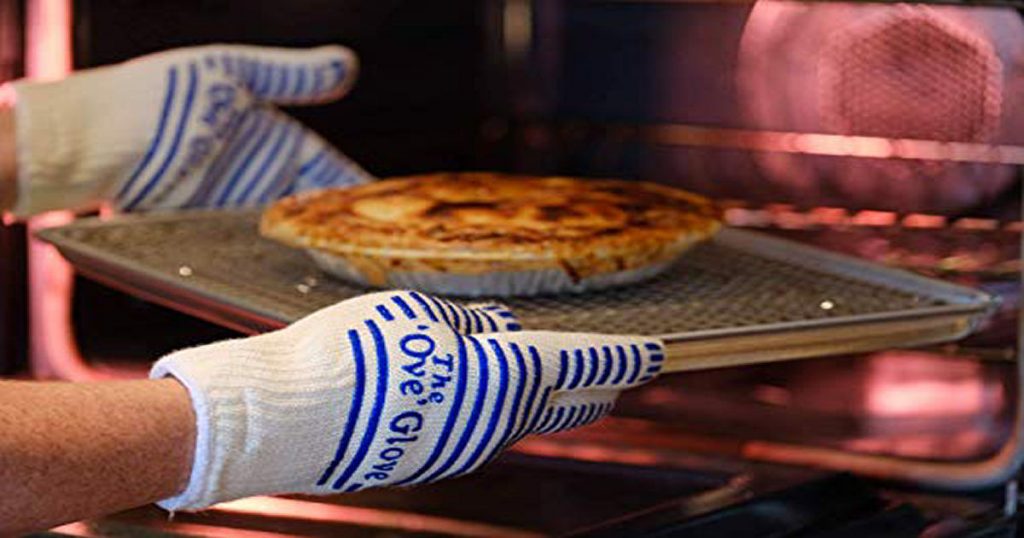
Keep your hands safe while cooking! Order today!
Evaluating Heat Resistance
When it comes to kitchen safety, understanding the heat resistance of your mitts is crucial. Let’s compare how different materials stack up.
Cotton vs. Silicone
Cotton mitts are perfect for everyday cooking tasks that don’t involve extreme heat. They provide moderate protection but may not be suitable for handling very hot items. On the other hand, silicone mitts excel at heat resistance, offering protection for temperatures up to 500°F or more. If you often cook at high temperatures, silicone will provide better safety.
Aramid’s Heat Handling
Aramid mitts are designed for high-performance heat protection. They can handle temperatures well above 500°F, making them ideal for tasks like grilling or baking at high temperatures. These mitts are a great fit for those who need reliable protection in demanding cooking environments.
Real-Life Application Scenarios
In real-life cooking scenarios, choosing the right mitt can make a big difference. For instance, if you’re baking cookies, cotton mitts might suffice. However, if you’re using a cast iron skillet, silicone or aramid mitts would be safer choices. Consider the types of dishes you frequently prepare to determine which material suits your needs best.
Flexibility and Dexterity
Beyond heat resistance, the ability to move and grip items comfortably is essential in the kitchen.
Handling with Cotton
Cotton mitts are known for their flexibility, allowing you to move your fingers easily. This can be an advantage when handling delicate items or performing tasks that require precision. However, they might lack the grip needed for heavier cookware.
Silicone’s Grip Advantage
Silicone mitts offer a strong grip, which is perfect for handling slippery or heavy items. The flexibility of silicone allows for easy movement, so you don’t feel restricted during cooking. If you often handle large pots or pans, silicone’s grip will be beneficial.
Aramid’s Dexterity
Aramid mitts provide excellent dexterity while still offering top-notch protection. They are designed to allow finger movement, making it easier to grasp and maneuver kitchen tools. This makes them an excellent choice for tasks that require both protection and precision.
Cleaning and Maintenance
Proper maintenance is key to keeping your oven mitts in good condition for a long time.
Cotton Care Tips
Cotton mitts are generally machine washable, making them easy to clean. It’s important to follow care instructions to prevent shrinking or wear. Regular washing will keep them fresh and ready for use.
Silicone’s Easy Clean
Silicone mitts are incredibly easy to clean, often requiring just a quick rinse or wipe. They are resistant to stains and odors, making them low-maintenance options. For those who prefer hassle-free cleaning, silicone is a winner.
Aramid’s Durability
Aramid mitts, while durable, may require specific cleaning methods to maintain their protective qualities. It’s advisable to check the manufacturer’s instructions for the best cleaning practices. With proper care, aramid mitts can last for years.
Personal Preference and Style
Your choice of oven mitt material can also reflect your personal style and comfort preferences.
Cooking Style Considerations
Think about your cooking habits when choosing mitts. If you frequently bake, cotton mitts might suit you. For grilling or high-temperature cooking, silicone or aramid options would be more appropriate.
Personal Comfort and Fit
Comfort is key when using oven mitts. Ensure that the mitts fit well and feel good on your hands. Trying different materials can help you find the perfect fit for your comfort needs.
Aesthetic and Design Choices
Oven mitts come in various designs and colors, allowing you to choose ones that match your kitchen decor. Whether you prefer classic patterns or modern designs, there’s a mitt style for everyone.
Frequently Asked Questions
What is the most heat-resistant material for oven mitts?
Aramid fibers are the most heat-resistant, capable of withstanding high temperatures that exceed 500°F. They offer the best protection for serious cooks.
Are silicone oven mitts better than cotton?
Silicone oven mitts provide better heat resistance and grip than cotton. They are more suitable for handling high-temperature cookware.
How do you clean silicone oven mitts?
Silicone mitts are easy to clean with a quick rinse or wipe. They are resistant to stains and do not retain odors, making maintenance simple.
What should I consider when choosing oven mitts?
Consider heat resistance, flexibility, cleaning ease, and personal style. Your cooking habits and the types of dishes you prepare will influence the best choice for you.
Can oven mitts be stylish?
Yes, oven mitts come in various designs and colors, allowing you to choose styles that complement your kitchen decor and personal taste.


All major credit cards accepted
Free Shipping – Order – Track Order – Contact Us
Heat Resistant Gloves: What Temperature Can They Handle?
Heat Resistant Gloves: What Temperature Can They Handle? Most heat resistant gloves claim to protect you from extreme temperatures, but can they really handle the heat you face every day? Choosing the wrong pair could leave you burned or limit your grip when you need control. This post breaks down [...]
How to Prevent Burns When Taking Food Out of the Oven
How to Prevent Burns When Taking Food Out of the Oven Burns in the kitchen happen more often than you think, especially when handling hot dishes straight from the oven. If you’ve ever flinched from a sudden steam burst or struggled with slippery mitts, you’re not alone. This post shares [...]
Can Oven Mitts Get Wet? Why Moisture Makes Heat Protection Worse
Can Oven Mitts Get Wet? Why Moisture Makes Heat Protection Worse Using wet oven mitts is more dangerous than most people realize. Moisture can sneak into the fabric and cut down its heat protection, putting your hands at risk. If you care about kitchen safety, understanding the moisture impact on [...]
Best Oven Gloves for Air Fryers
Best Oven Gloves for Air Fryers Handling hot air fryer baskets without the right gloves can turn meal prep into a risky task. Many oven gloves fall short when it comes to heat resistance, grip, or flexibility, making it harder to cook safely and comfortably. This guide highlights the best [...]
Best Oven Mitts for People With Small Hands and Large Hands
Best Oven Mitts for People With Small Hands and Large Hands Most oven mitts come in one size fits all, but that often means they fit no one well. If you have small hands, bulky mitts can feel clumsy and unsafe. Large hands? You might struggle to get a proper [...]
Are Oven Mitts or Gloves Better for Grip?
Are Oven Mitts or Gloves Better for Grip? Grabbing hot cookware without a solid grip can turn your kitchen into a danger zone. Oven mitts and gloves both promise protection, but which one really holds tight when it matters most? Let’s break down how texture, flexibility, and coverage affect oven [...]


