Kitchen Safety Tips: What to Do After a Minor Burn
Minor kitchen burns catch everyone off guard, even the most careful cooks. Knowing exactly what to do right after the burn can stop the pain from getting worse and keep your skin safe. In this post, you’ll get clear first aid for burns advice and learn what to avoid when treating minor kitchen burns at home. For more detailed guidelines on treating burns, visit this resource.

Immediate Actions After a Burn
When you suffer a burn, taking the right steps immediately can make a big difference. Acting fast is key to minimizing damage and pain.
Assess the Severity
Before you do anything else, look at the burn closely. Is it red and painful, or have blisters formed? Burns that are red and swollen but not blistered are often minor. If blisters or open skin are present, it might be more serious. In such cases, consulting a medical professional might be necessary. For a deeper dive into assessing burn severity, check out Mayo Clinic’s guide.
Cool the Burn
Cooling the burn is your next step. Run cool (not cold) water over the burn for about 10 minutes. This helps reduce swelling and eases pain. Avoid using ice, as it can damage the skin further. If running water isn’t available, a cool damp cloth can help. This step is crucial for preventing the burn from worsening.
Avoid Common Mistakes
It’s easy to make mistakes in the heat of the moment. Common errors include using butter or oil on burns, which can trap heat. Also, avoiding popping any blisters is important, as this can lead to infection. By sidestepping these mistakes, you help your skin heal faster and more safely.
Essential First Aid for Burns
After taking immediate actions, it’s time to focus on essential first aid steps to promote healing and comfort.
Clean the Burned Area
Once you’ve cooled the burn, gently clean the area with mild soap and water. This removes any dirt and reduces the risk of infection. Be gentle to avoid irritating the skin. Pat the area dry with a clean towel. Proper cleaning is a simple yet effective way to support recovery.
Apply Appropriate Dressings
Covering the burn with a sterile, non-stick bandage protects it from dirt and bacteria. Change the dressing daily or whenever it gets wet. This not only protects the skin but also helps it heal in a clean environment. For more detailed advice on dressings, you can visit UCI Health’s blog.
Pain Management Techniques
Dealing with pain is a key part of burn care. Over-the-counter pain relievers like ibuprofen or acetaminophen can help. Always follow the dosage instructions on the package. Keeping the burn elevated can also reduce throbbing and swelling. These steps make the healing process more comfortable.
What to Avoid in Burn Treatment
Knowing what to avoid is just as important as knowing what to do. Here, we debunk myths and highlight common missteps.
Missteps in Home Treatment
Many well-meaning home remedies can harm more than help. For instance, applying vinegar or toothpaste can irritate the burn. Also, tight bandages can restrict circulation and worsen swelling. Stick to proven methods for best results.
Debunking Burn Myths
You might have heard that burns should “breathe” without dressings, but this can expose them to bacteria. It’s also a myth that popping blisters aids healing. Keeping blisters intact protects the underlying skin. Trusted sources like Children’s Colorado offer insights into common burn myths and effective treatments.
Long-Term Care and Healing
As your burn heals, focus on long-term care to ensure the best recovery possible.
Recognizing Infection Signs
Infections can prolong healing. Look for signs like increased redness, swelling, or pus. If you notice these, seek medical advice. Early detection and treatment can prevent complications and promote recovery.
Promoting Skin Recovery
Proper nutrition and hydration support skin healing. Foods rich in vitamins and minerals, like fruits and vegetables, are beneficial. Keeping the burn moisturized once it starts to heal can also prevent dryness and improve skin appearance. Discover more about skin recovery techniques here.
Kitchen Safety Tips for Burn Prevention
Prevention is always better than treatment. Adopting safety habits in the kitchen can help you avoid burns altogether.
Safe Cooking Practices
Be aware of your surroundings while cooking. Keep pot handles turned inward to prevent accidental knocks. Use kitchen timers to avoid forgetting hot pans. Simple habits like these can significantly reduce burn risks.
Protective Gear and Tools
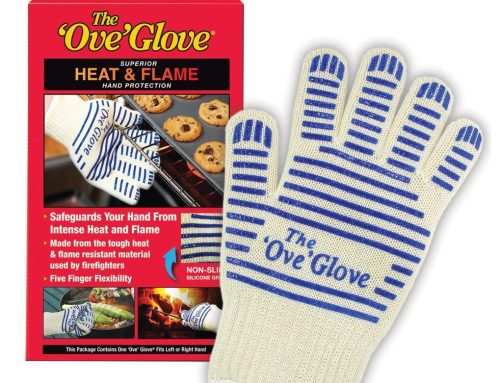
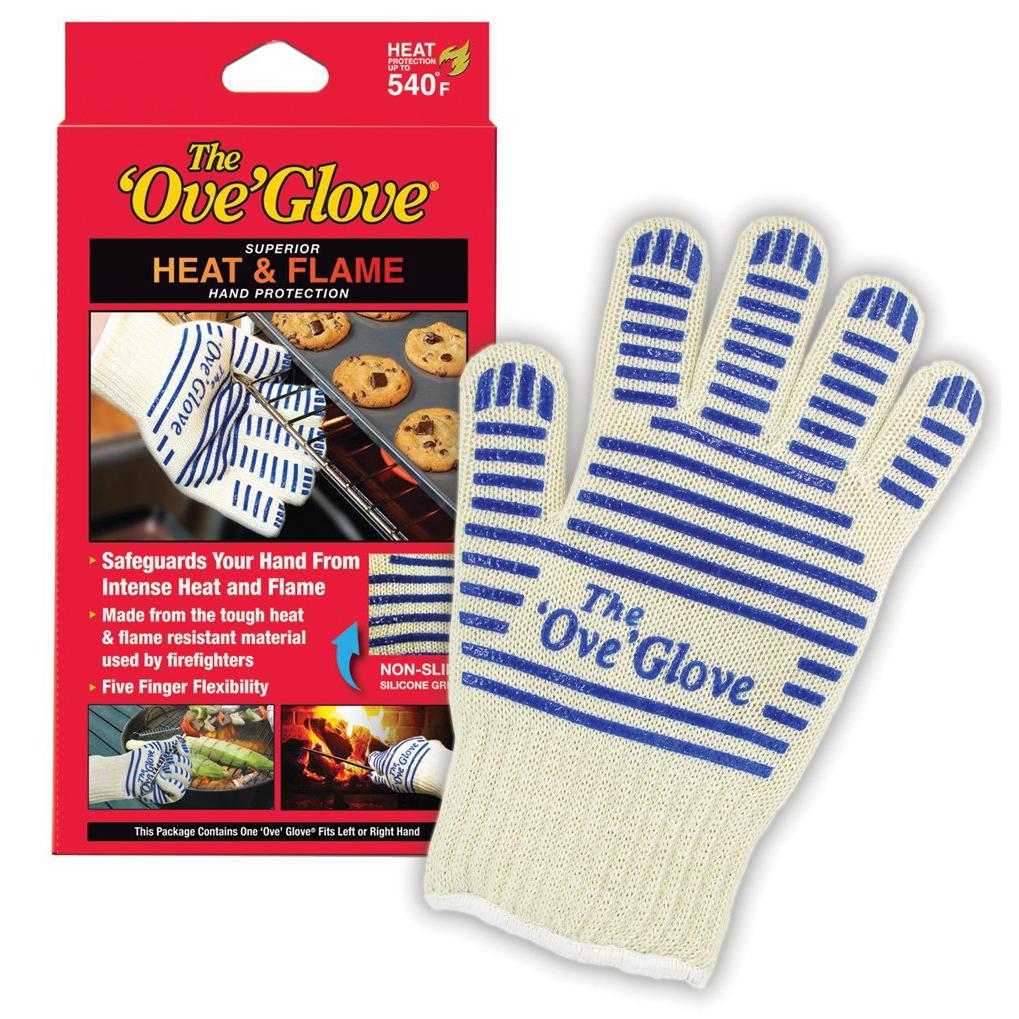
Using the right gear is crucial. Oven mitts and pot holders protect your hands. Investing in quality kitchen tools, like long-handled utensils, helps you maintain a safe distance from heat sources. These small investments can go a long way in keeping you safe.
By following these tips, you can treat minor burns effectively and prevent future incidents. Remember, understanding the right steps can keep you and your loved ones safe in the kitchen.

All major credit cards accepted
Free Shipping – Order – Track Order – Contact Us
Tips for Baking Without Vegetable Oil
Mastering Healthy Cake Recipes: Tips for Baking Without Vegetable Oil Most bakers stick to vegetable oil without realizing it can weigh down their cakes. You want moist cake without oil, but swapping ingredients feels tricky and risky. This guide reveals smart substitutes for vegetable oil like applesauce and butter, with [...]
Extending Egg Shelf Life for Better Cooking
Egg Storage Tips: Extending Egg Shelf Life for Better Cooking Most eggs in your fridge aren’t as fresh as you think. Tossing them out wastes money and leaves you guessing in the kitchen. This simple egg freshness test—the water float test for eggs—shows you exactly how to check egg freshness [...]
What You Need to Know for Cast Iron Cooking
Ove Glove vs. Grill Glove: What You Need to Know for Cast Iron Cooking Most people think any oven mitt will do for cast iron seasoning. That’s a big mistake when you’re handling high-heat oil and caring for your Lodge cast iron. Using the right gear, like the Ove Glove, [...]
Finding the Perfect Ove Glove for Your Wedding Registry
From Amazon to Walmart: Finding the Perfect Ove Glove for Your Wedding Registry Most couples overlook a simple kitchen tool that can save them from burns and slips. Your wedding registry should include the Ove Glove, a top pick among newlywed kitchen essentials for 2025. Whether you shop Ove Glove [...]
Comparing Ove Glove and Welding Gloves for Versatility
Heat Resistance Showdown: Comparing Ove Glove and Welding Gloves for Versatility Most heat-resistant gloves claim they can do it all, but can one pair really handle welding sparks and oven burns? You’ve probably wondered if Ove Glove or traditional welding gloves offer the best mix of protection and versatility. This [...]
Top Ove Glove Pairings with Le Creuset Cookware
Elevate Your Culinary Experience: Top Ove Glove Pairings with Le Creuset Cookware Most people think all oven mitts perform the same job. The truth is, your choice in kitchen accessories can make or break your cooking flow—and safety. Pairing Ove Glove with Le Creuset cookware combines style, protection, and function [...]