
Grill Flare-Ups: What You Need to Know for Safe Outdoor Cooking
Grill flare-ups catch most home cooks off guard, turning a fun outdoor cookout into a risky situation fast. You might think a quick flare-up is just part of grilling, but grease fires and propane flare-ups can quickly get out of hand. Knowing the right grilling tips and safe grilling practices can keep your cookout safe and enjoyable every time. For more safety tips, check out this grilling safety guide.

Get FREE shipping on the Ove Glove today!
Understanding Grill Flare-Ups
Grill flare-ups are more than just an inconvenience; they can be dangerous if not properly managed. Knowing what causes these sudden flames is your first step to safer grilling.
Causes of Grill Flare-Ups
Flare-ups usually happen when fat drips from your food onto hot coals or burners. This can happen with any type of grill. When the fat hits the heat, it causes a burst of flames. Even a small amount of grease can lead to a flare-up. Overloading your grill with fatty cuts of meat increases the risk. You can reduce this risk by trimming excess fat before cooking.
Another common cause is the buildup of grease on grill grates. Clean your grill regularly to lessen the chance of a grease fire. It’s worth noting that windy conditions can also fan small flames into bigger ones. Being aware of weather conditions can help you stay prepared.
Why Flare-Ups Are Dangerous
Flare-ups aren’t just about burnt food. They can lead to grease fires, which are much more dangerous. Grease fires can cause serious injuries and even property damage. They can also make your food taste burnt and unpleasant.
The real danger lies in how quickly a small flame can get out of control. Many people underestimate this risk. Thinking you can handle a flare-up without proper tools is a mistake. Having water nearby might seem like a good idea, but it can make the situation worse. Instead, use a fire extinguisher or baking soda to put out flames quickly.
Common Misconceptions
One common myth is that flare-ups only happen with high heat. In reality, they can occur at any temperature. Another misconception is that using water will put out a grill fire. Water can actually spread the grease and make the fire worse. Many people believe that using lighter fluid is safe, but it can also cause flare-ups.
Most people think that only large grills are prone to flare-ups. This isn’t true—small grills can be just as risky. Understanding these misconceptions can help you prepare better for your next cookout.
Types of Flare-Ups
Different types of grills come with their own sets of challenges. Knowing what to expect can help you manage flare-ups effectively.
Grease Fires Explained
Grease fires start when fat drips from meat and ignites. These fires can quickly spread if not managed. The key to preventing grease fires is regular cleaning. Make sure to scrape off old grease from your grill grates.
Keep a close eye on fatty cuts of meat. These are more likely to drip and cause flare-ups. Using a drip pan can help catch grease before it hits the heat. A clean grill is less likely to flare up, making your cookout safer and more enjoyable.
Propane Flare-Ups Overview
Propane grills have their own risks. A common issue is a buildup of gas. If too much gas accumulates before ignition, it can cause a flare-up. Always open the grill lid before lighting it to let any trapped gas escape.
Check for gas leaks regularly. A simple soapy water test on hoses can identify leaks. If you see bubbles, you likely have a leak. Repair it before using the grill. This small step can prevent big problems.
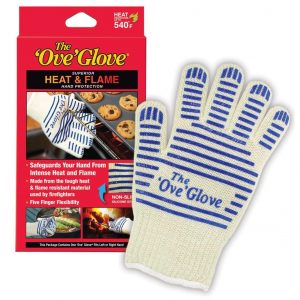
Protect your hands while cooking with the Ove Glove
Charcoal Grill Hazards
Charcoal grills can be tricky too. They use open flames, which are more likely to flare up. Charcoal itself can produce unexpected bursts of fire. Always use a chimney starter instead of lighter fluid to ignite charcoal safely.
The ash from charcoal can also pose a risk. If left to accumulate, it can block air vents, causing temperature spikes and flare-ups. Regularly clean out your grill to keep it safe.
Safe Grilling Practices
Keeping your grill in top condition is key to preventing flare-ups. These safe practices make grilling both fun and secure.
Preventing Grease Fires
Regular cleaning is your first line of defense. Make it a habit to clean your grill grates after each use. A wire brush works well for this. Remove grease trays and drip pans, and clean them too.
Keep a spray bottle of water nearby to control minor flare-ups. However, remember this isn’t for grease fires. Water can help with small flames but not grease. For grease fires, use baking soda or a fire extinguisher. These tools are more effective and safer to use.
Propane Safety Measures
Propane grills need specific safety checks. Always inspect hoses and connections for leaks. A quick soapy water test can reveal leaks before they become an issue.
Be cautious when lighting your grill. Open the lid before turning on the gas. This step lets any accumulated gas escape safely. Never leave a propane grill unattended while in use. A watchful eye can prevent accidents.
Essential Grilling Tips
Small changes can make a big difference. Trim excess fat from meats to reduce grease drips. Use a drip pan to catch any grease that does fall. This simple setup can help prevent flare-ups.
Keep your grill at a safe distance from any structures or overhanging branches. This reduces the risk of fire spreading. These basic steps can transform your grilling experiences into safer, more enjoyable events.
Fire Safety and Response
Knowing how to respond to flare-ups is crucial. Quick action can prevent accidents and keep everyone safe.
Quick Response to Flare-Ups
Act fast if a flare-up occurs. Close the lid to cut off oxygen to the flames. This simple step can often put out a flare-up quickly. Avoid using water, as it can spread the fire.
If the flames don’t die down, use a fire extinguisher. Always have one nearby when grilling. A few seconds of quick action can make a big difference.
Using Oven Gloves for Safety
Protective gear is a must. Oven gloves can protect your hands from sudden flare-ups. They allow you to handle hot grates or food without getting burned. Always have a pair ready when grilling.
Oven gloves offer more protection than regular kitchen mitts. They’re designed to withstand higher temperatures. Investing in a good pair can make your grilling experience safer.
Essential Fire Safety Equipment
Having the right tools is essential. A fire extinguisher is a must-have. Keep it within reach whenever you’re grilling. It’s your best defense against out-of-control fires.
A spray bottle filled with water can help manage small flames. Remember, this isn’t for grease fires. For those, use baking soda. Having these items handy can keep your cookout safe and enjoyable.
Grill Maintenance for Safety
Regular maintenance is key to preventing flare-ups and other issues. A well-kept grill is a safer grill.
Regular Cleaning Routine
Make cleaning a habit. After each use, clean your grill grates with a wire brush. This removes grease buildup that can cause flare-ups. Don’t forget to empty the grease tray and clean it too.
A clean grill not only looks better but also functions more safely. A few minutes of cleaning can save you from bigger issues down the line.
Checking for Propane Leaks
Propane leaks are a big safety risk. Regularly inspect hoses and connections. Use a soapy water solution to check for leaks. Bubbles mean there’s a leak.
Fix leaks immediately before using the grill again. This simple task can prevent serious accidents and keep your grilling safe and enjoyable.
Ensuring Safe Grill Storage
Proper storage is essential. Store your grill in a dry, sheltered area to prevent rust and wear. Disconnect propane tanks when not in use and store them in a well-ventilated area.
Cover your grill to protect it from the elements. This keeps it in good condition and ready for the next use. A little care goes a long way in maintaining a safe grill.
Conclusion
Flare-ups are more than just an inconvenience—they’re a safety hazard. By understanding their causes and knowing how to respond, you can grill with confidence. Regular maintenance, safe practices, and having the right safety equipment on hand can make all the difference. Enjoy your next cookout with peace of mind, knowing you’re prepared for any situation.


All major credit cards accepted
Free Shipping – Order – Track Order – Contact Us
10 Things to Look for When Buying Heat Resistant Cooking Gloves
10 Things to Look for When Buying Heat Resistant Cooking Gloves Most cooking gloves claim to protect you from heat, but many fall short when it matters most. Choosing the right pair can save your hands from burns and make handling hot pots safer. This buying guide for cooking gloves [...]
How to Choose the Best Heat Resistant Oven Gloves
How to Choose the Best Heat Resistant Oven Gloves Burning your hands while cooking is more common than you think. Many oven gloves fail to protect when it matters most, leaving you at risk. This guide breaks down the key oven glove features you need to watch for, so you [...]
What Makes an Oven Glove Heat Resistant? Materials Explained
What Makes an Oven Glove Heat Resistant? Materials Explained Most oven gloves look similar, but their ability to protect your hands from heat varies widely. Choosing the right heat resistant oven gloves means understanding what goes inside them—the materials and design that keep burns at bay. This post breaks down [...]
Can You Use Oven Gloves on a Grill?
Can You Use Oven Gloves on a Grill? Using oven gloves on a grill might seem like a simple choice, but not all gloves are made to handle open flames and intense heat. Many home cooks assume their kitchen gloves offer enough protection, only to find out the hard way [...]
Can You Use an Oven Glove for a Cast Iron Skillet?
Can You Use an Oven Glove for a Cast Iron Skillet? Cast iron skillets can be a challenge when it comes to handling heat safely. Many cooks wonder if ordinary oven gloves provide enough protection against the intense temperatures these pans reach. This post breaks down how oven gloves perform [...]
How Long Can You Hold a Hot Pan With an Oven Glove?
How Long Can You Hold a Hot Pan With an Oven Glove? Most people overestimate how long their oven gloves can protect them from heat. You might think holding a hot pan for several minutes is safe, but the truth is far less forgiving. Understanding oven glove heat resistance and [...]


