
Why Do Oven Mitts Get Hot? 7 Common Mistakes
Oven mitts are supposed to keep your hands safe, but sometimes they end up feeling hotter than they should. This problem usually comes from a few common mistakes that many home cooks don’t realize they’re making. In this post, you’ll learn why oven mitts get hot and how things like the wrong materials, poor storage, or washing habits can make the heat worse. Keep reading to find simple kitchen tips that will help your mitts protect you better every time. For more on keeping your hands safe, check out these essential tips for preventing steam burns.

Get FREE shipping on the Ove Glove today!
Understanding Oven Mitt Materials
Choosing the right oven mitt materials is crucial to keeping your hands safe from heat. It’s important to know what makes some materials better than others for this job.
Importance of Heat-resistant Materials
When you’re shopping for oven mitts, look for materials that can stand up to high temperatures. Cotton is common, but it might not be enough on its own. Silicone or aramid fibers can offer better protection. These materials help prevent heat from reaching your skin. Silicone is especially good because it’s both flexible and heat-resistant. It can handle temperatures up to 450°F. This makes it a great choice for most cooking tasks. Consider mitts with a silicone exterior for the best protection.
How to Choose Oven Mitts
Choosing the right oven mitts involves more than just picking a color you like. Think about the tasks you’ll be doing. If you’re handling cast iron, you’ll need mitts that can withstand high temperatures. Consider mitts with a quilted cotton lining for comfort and a silicone outer layer for heat protection. This combination offers both comfort and safety. Check out this guide to the best oven gloves for cast iron pans for more tips.
Identifying Common Mistakes
Understanding materials is just one part of the equation. Mistakes in how you use and care for your mitts can also lead to discomfort.
Prolonged Exposure to Heat
Even the best oven mitts can fail if exposed to heat for too long. Leaving mitts near a stove or oven can weaken their protective properties. This prolonged exposure causes the materials to wear out faster. It’s crucial to use your mitts only when needed and store them safely afterward. This helps them maintain their heat-resistant qualities.
Improper Storage of Mitts
Where you store your oven mitts matters. Keeping them too close to hot surfaces can damage them. Store your mitts in a cool, dry place. Avoid hanging them near your oven or stove, where they might catch heat. Proper storage not only prolongs their life but also ensures they work effectively when you need them.
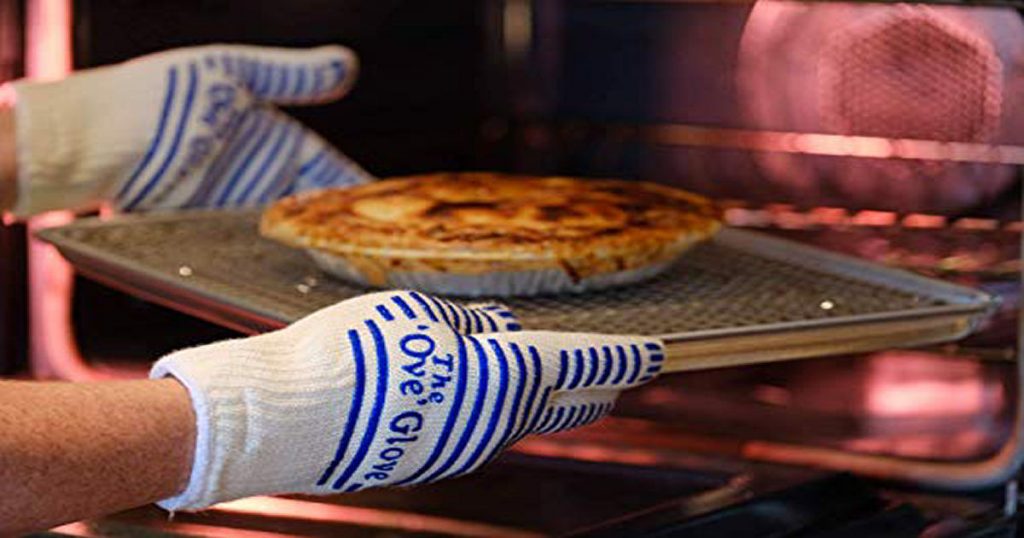
Keep your hands safe while cooking! Order today!
Washing Oven Mitts Incorrectly
Washing your oven mitts incorrectly can make them less effective. Over time, dirt and oils can accumulate, affecting their heat resistance. Use mild detergent and avoid bleach, which can damage the fabric. Allow them to air dry completely to retain their shape and effectiveness. Regular cleaning keeps your mitts in top condition.
Evaluating Mitt Designs
Choosing mitts with the right design is key to keeping your hands safe. Design flaws can lead to burns and discomfort.
Selecting Inadequate Mitt Designs
Not all mitt designs are created equal. Some mitts might look good but don’t offer the protection you need. Avoid mitts that are too short or don’t cover your wrists. These designs leave your skin vulnerable to burns. Instead, look for mitts that provide full coverage and fit well on your hands.
Features to Look For in Mitts
When evaluating mitt designs, look for certain features. Good mitts should have a non-slip grip to prevent accidents. They should also be long enough to cover your wrists. Consider mitts with a loop for easy hanging and storage. These features increase both safety and convenience. For more insights, read about the best oven gloves for pizza ovens.
Enhancing Cooking Safety
Improving cooking safety involves more than just choosing the right mitts. It’s about using them correctly and avoiding common mistakes.
Kitchen Tips for Safe Cooking
Safe cooking practices can reduce the risk of burns. Always double-check that your mitts are dry before use, as wet mitts conduct heat more easily. When handling hot items, move slowly and deliberately to prevent spills. Keep a safe distance from hot surfaces, and don’t leave mitts near open flames.
Avoiding Common Oven Mitt Mistakes
Avoiding common mistakes with oven mitts is crucial for safety. Don’t ignore signs of wear and tear, as worn mitts offer less protection. Replace your mitts if you notice thinning or holes. Avoid using mitts for tasks they aren’t designed for, like opening jars or handling sharp objects. These practices ensure your mitts stay effective.
Maintaining Mitt Effectiveness
Maintaining your oven mitts involves regular care and attention. This extends their lifespan and keeps them functioning well.
Prolonging Mitt Lifespan
To prolong the lifespan of your oven mitts, follow a few simple steps. Store them properly, clean them regularly, and avoid unnecessary exposure to heat. By taking these steps, you ensure your mitts remain effective for a longer time.
Best Practices for Mitt Care
Caring for your mitts isn’t complicated. After each use, check for any signs of damage. Wash them regularly using gentle methods. Avoid using them for non-cooking tasks to prevent wear and tear. These best practices keep your mitts in great condition. For more on safe kitchen practices, visit effective strategies for preventing kitchen injuries.
Frequently Asked Questions
Why do oven mitts get hot?
Oven mitts can get hot if they are made from materials that don’t resist heat well. Using them incorrectly or storing them near heat sources can also weaken their protection.
How often should I replace my oven mitts?
Replace your oven mitts when you notice signs of wear, like thinning or holes. This usually happens after a year of regular use, but it depends on how often and intensely you use them.
Can I wash oven mitts in a washing machine?
Yes, most can be machine washed, but use a gentle cycle and mild detergent. Avoid bleach and high heat to preserve their material and shape. Always air dry them thoroughly before use.
What are the best materials for oven mitts?
Silicone and aramid fibers are excellent choices. They provide strong heat resistance and flexibility, making them suitable for a variety of cooking tasks.
How can I prevent my oven mitts from losing their effectiveness?
Avoid prolonged heat exposure and improper storage. Regularly clean them using mild methods and check for wear. This keeps them effective and prolongs their life.


All major credit cards accepted
Free Shipping – Order – Track Order – Contact Us
Why Loose Sleeves Are a Recipe for Disaster
Stay Safe in the Kitchen: Why Loose Sleeves Are a Recipe for Disaster Loose sleeves in the kitchen are not just a fashion statement—they’re a hidden danger waiting to happen. When you’re busy cooking, flowing fabric can catch fire or get tangled in equipment, leading to serious accidents. This post [...]
Essential Safety Tips for Home Chefs
From Burn Risks to Cooking Bliss: Essential Safety Tips for Home Chefs Touching a metal handle heated to 400°F for just one second can cause a sudden, painful burn that leaves a mark far longer than the moment itself. Many home cooks underestimate how quickly these burns happen and how [...]
What You Need to Know for Safe Outdoor Cooking
Grill Flare-Ups: What You Need to Know for Safe Outdoor Cooking Grill flare-ups catch most home cooks off guard, turning a fun outdoor cookout into a risky situation fast. You might think a quick flare-up is just part of grilling, but grease fires and propane flare-ups can quickly get out [...]
Avoiding Burns While Cooking Your Favorite Meals
Air Fryer Safety 101: Avoiding Burns While Cooking Your Favorite Meals Burns from air fryer baskets happen more often than you think. If you’ve ever grabbed a hot tray without the right gear, you know the pain. Learning air fryer safety will keep your hands safe and your meals on [...]
Tips for a Safer Cooking Experience
Burn Prevention for All Skill Levels: Tips for a Safer Cooking Experience Even the most seasoned cooks can find themselves nursing a burn after a hectic night in the kitchen. Fast meal prep, juggling multiple tasks, and brief moments of distraction create perfect conditions for culinary accidents. This post digs [...]
What Home Cooks and Chefs Need to Know
The Real Deal on Silicone Heat Resistance: What Home Cooks and Chefs Need to Know Silicone kitchen tools promise to handle heat like pros, but does their silicone heat resistance really hold up in your oven or on the stove? Many products claim to survive extreme temperatures, yet real kitchens [...]


