
The Science Behind Cast Iron Cookware: Why Handles Stay Hot and How to Manage Pan Heat
Cast iron cookware holds onto heat like few other pans do, but that means the handles stay hot long after you’ve taken them out of the oven. Many home cooks don’t realize how strong this heat retention can be, leading to burns or dropped pans. Understanding the cast iron science behind this can help you avoid common cooking mistakes and manage pan heat safely. Keep reading to learn why your oven glove is more important than ever with these heavy-duty pans. For more insights, check out this resource.

Get FREE shipping on the Ove Glove today!
Understanding Cast Iron Cookware
Cast iron pans have earned a cherished spot in many kitchens due to their unique qualities. But what makes them so special? Let’s dive into the basics and understand their impressive ability to hold and distribute heat.
The Basics of Cast Iron
Cast iron is a metal alloy known for its durability and excellent heat retention. This cookware is made by melting iron and pouring it into molds. The process results in dense and heavy pans. Cast iron pans can last for generations if cared for properly. They offer even heat distribution, making them ideal for various cooking techniques. You can sear a steak or bake a pie with the same pan. Their versatility adds value to any kitchen.
Heat Retention in Cast Iron
The main reason cast iron is favored by chefs is its unmatched ability to retain heat. Once heated, it maintains a consistent temperature. This means even cooking, which is crucial for getting perfect results. The dense material absorbs heat slowly and holds it for a long time. It’s perfect for dishes that require a steady temperature. However, this same property can lead to hot handles after cooking, which we’ll explore further.
Why Handles Stay Hot
Understanding why the handles of cast iron pans remain hot is key to using them safely. The science behind this can help you avoid any mishaps in the kitchen.
Conductivity and Cast Iron Science
Cast iron conducts heat efficiently, spreading warmth evenly throughout the cookware. This also means the handles heat up while the pan is on the stove or in the oven. Even after you remove the pan from the heat source, the handles remain hot. They cool down slower than other materials. This is because cast iron is both a good heat conductor and insulator. The combination of these properties is why you need to be extra careful when handling these pans.
Common Cooking Mistakes
Many home cooks underestimate how long cast iron retains heat. They might try to move the pan without protection, leading to burns. Another mistake is forgetting to use a mitt when adjusting the pan’s position. It’s easy to assume the handle is cool after a few minutes, but that’s not the case. Avoid using wet towels, as moisture conducts heat faster, increasing the risk of burns. Always have a thick, dry cloth or oven glove nearby.
Managing Pan Heat Effectively
Knowing how to handle the heat safely is crucial for enjoying your cast iron cookware. Here’s how you can protect yourself while cooking.
Using an Oven Glove
An oven glove is your best friend when using cast iron cookware. It provides a barrier between your hand and the hot handle. Make sure to choose a glove that offers a good grip and is heat-resistant. Keep the glove within reach whenever you cook with cast iron. It’s a simple tool that prevents accidents and gives you confidence in the kitchen.
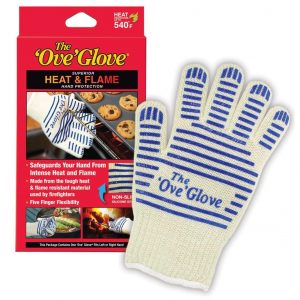
Protect your hands while cooking with the Ove Glove
Tips for Safe Handling
-
Always assume the handle is hot: Even if you removed the pan from the heat minutes ago.
-
Use a thick, dry cloth or oven glove: Protect your hands from burns.
-
Place the pan on a heat-resistant surface: Avoid damage to countertops or tables.
-
Teach others in your household: Ensure everyone knows the importance of using protection when handling these pans.
Extending the Life of Your Cookware
Taking care of your cast iron ensures it lasts for years. Proper cleaning and storage are essential to maintain its quality.
Proper Cleaning Techniques
Cleaning cast iron isn’t like other cookware. Avoid soap as it strips the seasoning. Instead, use hot water and a scrub brush to remove food particles. For stubborn bits, sprinkle some salt and scrub gently. After cleaning, dry the pan completely to prevent rust. Finish by applying a light coat of oil to maintain the non-stick surface.
Storage Tips for Longevity
Store your cast iron in a dry place to avoid moisture buildup. If stacking pans, place a paper towel between them to protect the surface. Keep them in a cabinet or on a rack to ensure they stay dry. With proper care, your cast iron will remain a kitchen staple for generations.
Enhancing Your Cooking Experience
With the right techniques, cast iron can elevate your cooking adventures. Experiment with different recipes and build confidence in your culinary skills.
Experimenting with Recipes
Trying new recipes lets you explore the versatility of cast iron. From baking to frying, there are countless possibilities. Use the pan to roast vegetables, bake cornbread, or even make a crispy pizza. This experimentation adds excitement to cooking and helps you discover new favorites.
Building Confidence in the Kitchen
As you become familiar with cast iron, your confidence in the kitchen will grow. You’ll learn to handle heat with ease. Cooking will become an enjoyable experience rather than a chore. Remember, practice makes perfect. The more you use cast iron, the more skilled you’ll become. You might even inspire others with your newfound culinary prowess!
For further guidance, you can check out this video on managing cast iron cookware.


All major credit cards accepted
Free Shipping – Order – Track Order – Contact Us
Why Ove Glove is a Must-Have for Vegan Bakers
Eco-Friendly Baking Gear: Why Ove Glove is a Must-Have for Vegan Bakers Most oven mitts sneak animal products into your kitchen without warning. If you’re serious about vegan baking, that’s a problem you can’t ignore. The Ove Glove offers heat resistant protection made with plant-based kitchen gear, so handling hot [...]
The Top Oven Mitts for Safe and Stylish Baking
Mastering Artisan Bread: The Top Oven Mitts for Safe and Stylish Baking Forget everything you know about oven mitts for bread baking. Most mitts either burn your hands or make handling artisan loaves a clumsy task. The Ove Glove changes that with its heat resistant design and perfect grip for [...]
A Candid Review of Budget Oven Mitts
Ove Glove vs. Bargain Buys: A Candid Review of Budget Oven Mitts Think spending less means getting the same protection as an Ove Glove? Think again. I tested three cheap Ove Glove alternatives from Temu, all under $10—and they melted. If you’re hunting for budget oven mitts that actually work, [...]
Ove Glove or Mittens for Baking Enthusiasts
The Ultimate Oven Gloves Comparison: Ove Glove or Mittens for Baking Enthusiasts Handling hot cookie sheets shouldn’t feel like a wrestling match with your oven gloves. Many baking enthusiasts struggle to find gloves that offer both protection and flexibility. In this oven gloves comparison, we put the Ove Glove head-to-head [...]
Perfecting Your Valentine’s Day 2026 Chocolate Fondue with Ove Glove
Love and Safety: Perfecting Your Valentine's Day 2026 Chocolate Fondue with Ove Glove Most Valentine’s Day chocolate fondue attempts end with a burnt finger or a messy counter. You want your romantic recipe to feel special, not stressful or risky. This year, pair your chocolate fondue tips with the Ove [...]
Why Ove Glove Tops the List of Family-Friendly Kitchen Tools for Busy Parents
Why Ove Glove Tops the List of Family-Friendly Kitchen Tools for Busy Parents Most oven mitts fall short when juggling kids, dinner, and a busy schedule. You need family-friendly kitchen tools that keep up without slowing you down. That’s where Ove Glove stands out—flame resistant gloves with easy storage designed [...]


