
Stay Safe in the Kitchen: Why Loose Sleeves Are a Recipe for Disaster
Loose sleeves in the kitchen are not just a fashion statement—they’re a hidden danger waiting to happen. When you’re busy cooking, flowing fabric can catch fire or get tangled in equipment, leading to serious accidents. This post covers essential cooking safety advice and safe cooking tips to help you pick the right cooking attire and avoid common kitchen hazards. Keep reading to learn how simple changes can protect you and your meals. For more information on fire safety in the kitchen, you can visit this link.

Get FREE shipping on the Ove Glove today!
Common Kitchen Hazards
In the kitchen, hidden dangers are lurking, especially if you’re wearing loose sleeves. Let’s uncover these risks and learn how to avoid them.
Fire Risks of Loose Sleeves
Loose sleeves can easily brush against open flames. This poses a real threat when cooking on a gas stove. Imagine reaching for a spice jar and suddenly feeling heat on your arm. The flowing fabric can ignite faster than you think, turning a simple task into an emergency.
Fabrics like cotton or linen are particularly susceptible to catching fire. They burn quickly and can cause severe burns. Wearing snug sleeves keeps you safer. Remember, it’s not just about looking good—it’s about staying safe. If you’re curious about more fire prevention strategies, check out this resource.
Equipment Entanglement Dangers
Loose sleeves aren’t only a fire risk. They can also get caught in kitchen equipment. Think of the whisking motion of a mixer. A dangling sleeve can easily get snagged, causing injury or damaging the device.
Using blenders or food processors requires caution. A sleeve caught in a blade can lead to serious accidents. To avoid this, always roll up your sleeves or wear clothes that fit snugly. It’s a simple change that makes a big difference in your cooking safety.
Understanding the Risks
Recognizing how fabric interacts with your cooking environment is key. Let’s delve into the specifics to keep you well-informed.
How Fabric Contacts Flames
When cooking, fabric can come into contact with flames in various ways. Reaching over a burner or leaning close to a grill are common scenarios. These actions can cause sleeves to catch fire, putting you at risk.
To reduce this risk, maintain a safe distance from heat sources. Use kitchen tools with long handles to avoid getting too close. This small adjustment can help prevent accidents and keep you safe in the kitchen.
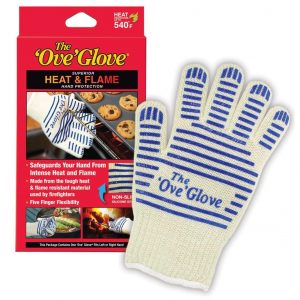
Protect your hands while cooking with the Ove Glove
Interactions with Hot Surfaces
Hot surfaces are another concern when wearing loose sleeves. Accidentally brushing against a hot pan or oven rack can lead to burns. These incidents are not only painful but also preventable with the right attire.
Keeping your sleeves rolled up or wearing fitted garments reduces the chance of contact with heat. This simple precaution allows you to focus on cooking without worrying about burns.
Appliances and Moving Parts
Kitchen appliances with moving parts are another danger zone. Mixers, blenders, and food processors can easily snag loose fabric. This not only risks injury but can also damage your appliance.
To stay safe, always ensure your sleeves are secure when using such equipment. By doing so, you safeguard yourself and extend the life of your kitchen tools. For more on preventing cooking accidents, visit this link.
Safe Cooking Attire
Choosing the right clothing can greatly impact your safety. Let’s explore how to dress for cooking success.
Choosing the Right Sleeves
Your choice of sleeves matters. Opt for short or fitted sleeves to minimize risks. If long sleeves are a must, roll them up before you start cooking. This simple habit can prevent many accidents.
By being mindful of your attire, you create a safer cooking environment. It’s a small step that offers significant peace of mind.
Benefits of Oven Gloves and Ove Gloves
Oven gloves and Ove Gloves are essential tools. They protect your hands from heat and burns. Unlike regular cloths, these gloves are specifically designed to withstand high temperatures.
Investing in a good pair of oven gloves is wise. They provide the safety and confidence you need while handling hot dishes. It’s a small investment for your peace and protection. You can learn more about keeping your kitchen hazard-free here.
Practical Clothing Alternatives
Consider alternatives to loose clothing. Aprons with adjustable straps or fitted chef coats offer practicality and safety. These options keep you comfortable and safe while cooking.
By selecting the right attire, you enjoy a seamless cooking experience. Stay worry-free and focus on creating delicious meals.
Cooking Safety Tips
Equipped with the right knowledge, you can enhance your cooking safety. Let’s look at some practical tips.
Focus on Fire Safety
Fire safety should be your top priority. Always keep a fire extinguisher nearby and know how to use it. Regularly check smoke detectors and ensure they’re functioning correctly.
By staying prepared, you minimize the risk of fire hazards in your kitchen. This proactive approach helps protect you and your home. For more on fire safety, see this link.
Preventing Cooking Accidents
Preventing accidents starts with awareness. Always supervise cooking activities and avoid distractions. Keep knives and sharp objects away from the edges of counters.
By staying focused in the kitchen, you prevent accidents before they happen. This awareness ensures a safer cooking environment for everyone.
Creating a Secure Cooking Environment
A secure kitchen is a safe kitchen. Organize your space to minimize clutter and ensure easy access to essential items. Regularly clean appliances and surfaces to prevent buildup and hazards.
By maintaining an organized kitchen, you create a safe and efficient cooking space. It’s about making smart choices to protect yourself and those around you.
Empowering Safe Cooking Practices
With knowledge and preparation, you can cook confidently. Let’s explore how to build this confidence.
Building Confidence in the Kitchen
Confidence in the kitchen comes from preparation and knowledge. Familiarize yourself with your cooking tools and practice safe techniques. With time, your confidence will grow.
By embracing safe practices, you empower yourself to cook with ease. This confidence allows you to enjoy the process and create delicious meals without worry.
Encouraging a Safe Cooking Culture
A safe cooking culture starts with awareness. Share safety tips with family and friends, and encourage them to adopt safe practices. Together, you can create a culture that values safety in the kitchen.
By promoting these values, you contribute to a safer cooking environment for everyone. It’s about fostering a community that prioritizes well-being and culinary enjoyment.


All major credit cards accepted
Free Shipping – Order – Track Order – Contact Us
Best Oven Gloves for People Who Hate Bulky Oven Mitts
Best Oven Gloves for People Who Hate Bulky Oven Mitts Bulky oven mitts can make handling hot cookware feel clumsy and awkward, turning simple kitchen tasks into a hassle. If you’ve been searching for oven gloves that offer protection without the bulk, you’re not alone. This guide breaks down the [...]
Ove Glove vs Silicone Oven Mitt: Which Is Better?
Ove Glove vs Silicone Oven Mitt: Which Is Better? Most people reach for a silicone oven mitt without thinking twice, but the Ove Glove offers a completely different kind of protection. Choosing the right oven protection can make your time in the kitchen safer and more comfortable, whether you’re baking [...]
Best Heat Resistant Gloves for Cooking and Baking
Best Heat Resistant Gloves for Cooking and Baking Handling hot pans and baking trays without the right protection can turn every cooking session into a risky task. Choosing the right heat resistant gloves makes all the difference between safe handling and painful burns. This guide breaks down the key features [...]
Best Oven Gloves for Dutch Ovens and Heavy Cookware
Best Oven Gloves for Dutch Ovens and Heavy Cookware Handling hot Dutch ovens and heavy cookware is tougher than most kitchen tasks. Using the wrong oven gloves can lead to burns or dropped pots, turning cooking into a risk. This guide breaks down the best oven gloves for Dutch oven [...]
Best Oven Gloves for Handling Hot Baking Sheets
Best Oven Gloves for Handling Hot Baking Sheets Handling hot baking sheets without the right protection can quickly turn from a simple task into a painful mistake. You need oven gloves that combine strong heat resistance with a secure grip and flexible fit to keep your hands safe and steady. [...]
10 Things to Look for When Buying Heat Resistant Cooking Gloves
10 Things to Look for When Buying Heat Resistant Cooking Gloves Most cooking gloves claim to protect you from heat, but many fall short when it matters most. Choosing the right pair can save your hands from burns and make handling hot pots safer. This buying guide for cooking gloves [...]


