Mastering Kitchen Safety: The Ultimate Guide to Choosing the Perfect Baking Gloves
Most oven mitts slip or feel bulky when you try to handle delicate trays fresh from the oven. That’s a common source of burns and dropped pastries in the kitchen. Choosing the right baking gloves means getting a snug fit that lets you move with control and confidence. This guide will show you how to pick gloves that keep safety in baking front and center while making every step smoother. Learn more about baking gloves here.
Never burn your hands again while cooking!

Importance of Baking Gloves
Have you ever pulled a tray from the oven and felt that familiar panic as it slips? Baking gloves are a game-changer in the kitchen, providing safety and control.
Ensuring Safety in Baking
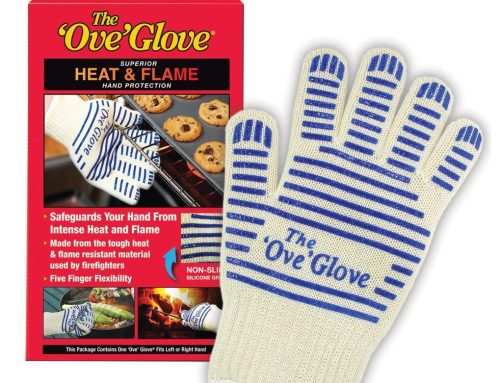
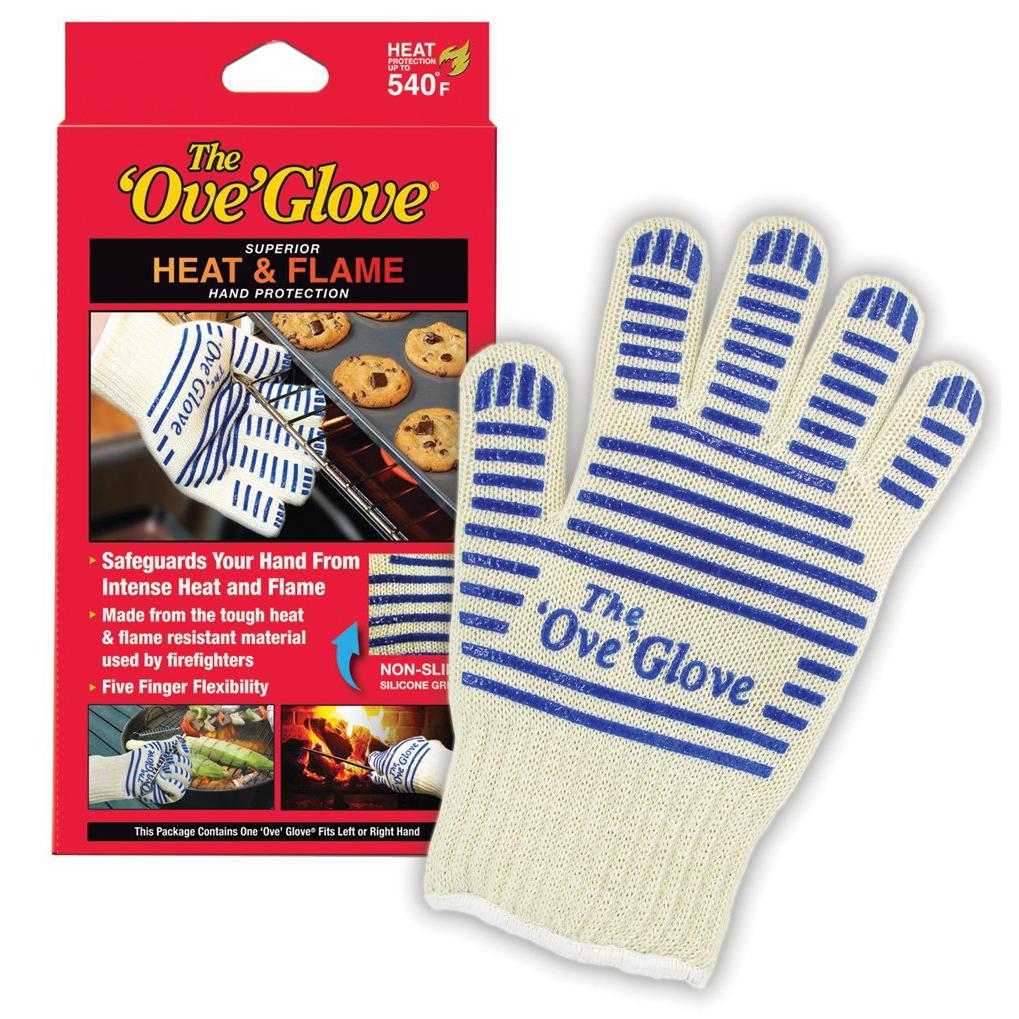
Safety in baking starts with the right gloves. Burns are common when handling hot pans. Gloves with heat-resistant materials, like aramid fibers, offer superior protection. They’re designed to shield your hands from high temperatures, reducing the risk of injury. Importantly, gloves that fit well prevent slips, giving you a firm hold on trays. A good grip means fewer accidents and more confidence in the kitchen. Discover how the Ove Glove enhances kitchen safety.
Enhancing Dexterity and Control
Apart from safety, dexterity is crucial. Gloves that allow finger movement make a big difference. They help you maneuver trays without dropping them. Imagine lifting a delicate pie with ease or adjusting a small ramekin without fumbling. A glove that’s too bulky can be a hindrance. Instead, opt for designs that balance protection with flexibility, ensuring you stay in control. Remember, the best gloves feel like a second skin, giving you the freedom to bake your best.
Choosing the Right Baking Gloves
Selecting the perfect pair involves more than just picking the first option on the shelf. Let’s dive into what matters most when choosing baking gloves.
Material Matters
When it comes to baking gloves, the material is crucial. Heat-resistant options like silicone or aramid fibers are popular. Silicone gloves offer flexibility and a non-slip grip, making them ideal for handling hot trays. On the other hand, aramid fibers provide superior heat resistance, perfect for high-temperature tasks. Consider your baking needs and choose a material that offers the right balance of heat protection and dexterity. Every material has its pros and cons. Explore the best materials for kitchen gloves.
Fit and Comfort Considerations
Fit is just as important as material. A snug glove prevents slips and enhances control. Measure your hand and check the sizing guide before purchasing. Look for gloves with a comfortable lining, like cotton, which adds an extra layer of comfort. A good fit can also make long baking sessions more enjoyable, reducing hand fatigue. Remember, the right pair should feel like an extension of your hand. Check out how to choose the perfect glove fit.
Tips for Safe Pastry Handling
Let’s face it, handling pastries can be tricky. But with the right gloves and techniques, you can master the art of safe pastry handling.
Handling Delicate Trays
Handling delicate trays requires precision. Use gloves that offer a non-slip grip for better control. When lifting, gently slide your fingers under the tray’s edge, supporting its weight evenly. This approach minimizes the chance of tipping or dropping. Also, keep your workspace organized to prevent accidents. Clear pathways and a tidy area help you focus on the task. Here’s the key insight: practice makes perfect, so don’t rush the process.
Oven Mitts vs. Baker’s Gloves
Most people think all gloves are the same, but they’re not. Oven mitts, while traditional, can be bulky. They limit finger movement and can cause slips. Baker’s gloves offer a modern solution with finger separation for better control. They often include materials that withstand heat while allowing dexterity. If safety and precision are your priorities, baker’s gloves are worth considering. Explore the ultimate tools for mastering baking.
By focusing on the right gloves and techniques, you can elevate your baking experience. Remember, safety is just as important as the perfect bake.