
Grilling Safety Tips: How to Grill Perfectly Every Time
Most backyard cooks make the same outdoor grilling mistakes without realizing it. Skipping preheating the grill or ignoring flare-ups can ruin your meal and create safety risks. This post breaks down those common grilling errors and shares grilling safety tips that help you grill perfectly every time. Stick around to learn why choosing the right fuel and letting meat rest before slicing changes everything. For more insights, visit this resource.

Order the Ove Glove today and get FREE shipping!
Avoiding Outdoor Grilling Mistakes
Grilling can be an art form, but common mistakes can easily ruin your meal. Let’s explore how to sidestep these errors and grill like a pro.
Importance of Preheating the Grill
Preheating your grill is crucial. It ensures that food cooks evenly and helps to seal in flavors. When you skip this step, you risk food sticking to the grates and not cooking properly. Imagine trying to grill a perfect steak, only to have it tear apart because it wasn’t hot enough. Always allow your grill to heat up for about 10 to 15 minutes before placing any food on it. This simple step can make all the difference.
Managing Grill Flare-Ups
Flare-ups are not only dangerous, but they can char your food beyond recognition. To manage them, keep a spray bottle of water handy to douse sudden flames. Another tip is to trim excess fat from meats, as this can cause grease fires. Monitoring your grill and keeping a close eye on cooking meats will help you prevent these fiery incidents. For more safety tips, check out this guide.
Choosing the Right Fuel
The type of fuel you use can impact the flavor of your food. Charcoal adds a smoky taste, while gas offers convenience and control. Consider what matters more for your grilling needs: the rich, smoky flavor or the quick start and easy temperature management. Your choice will significantly influence your grilling results.
Ensuring Food Safety
Safe food handling is as important as cooking itself. Let’s delve into essential practices that protect you and your guests.
Proper Food Handling Techniques
Handling food safely prevents unwanted bacteria from spoiling your meal. Always wash your hands before and after handling raw food. Use separate cutting boards for meat and vegetables to avoid cross-contamination. Ensuring cleanliness in your prep area is vital for safe grilling. Here’s a helpful beginner’s guide to food safety.
Using an Ove Glove for Safety
Grilling can get hot, and burns are a real risk. Using an Ove Glove offers excellent protection from high temperatures. This glove allows you to handle hot grill grates and tools with ease and confidence. Remember, safety should never be an afterthought.
Meat Resting Time Considerations
Letting meat rest after grilling is crucial. It allows juices to redistribute, making your meat more flavorful and tender. A rest time of about 5 to 10 minutes is usually enough. Remember, cutting too soon can lead to dry and less tasty meat.
Perfecting Grilling Techniques
Now that safety is covered, let’s focus on enhancing your grilling skills for those perfect sear marks and juicy bites.
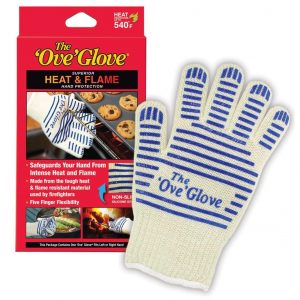
Protect your hands while cooking with the Ove Glove
Understanding Heat Zones
Creating different heat zones on your grill allows you to cook various foods simultaneously. Direct heat is perfect for searing, while indirect heat is ideal for slower cooking. Understanding and utilizing these zones is key to mastering your grill.
Using a Meat Thermometer
A meat thermometer is your secret weapon for perfectly cooked meat. It ensures that your food reaches the right internal temperature without guesswork. Insert it into the thickest part of the meat for an accurate reading. This tool is indispensable for avoiding undercooked or overcooked meals.
Timing and Temperature Tips
Timing and temperature control are essential for grilling success. Keep a close watch on your grill and adjust the temperature as needed. Use a timer to remind you when to check your food. These simple practices help you avoid common grilling errors and achieve consistently great results.
Enhancing Flavor Profiles
Let’s explore how to add depth and complexity to your grilled dishes, impressing family and friends alike.
Marinades and Rubs Essentials
Marinades add flavor and tenderize your meat. Use a mix of oils, acids, and spices for the best results. Rubs can also enhance flavor with their bold and spicy blend. Experiment with different combinations to find your perfect match.
Smoking Techniques for Beginners
Smoking meats can seem intimidating, but it adds a delightful complexity. Start with mild woods like apple or cherry for a subtle smoke flavor. Keep the lid closed as much as possible to maintain heat and smoke levels. Patience is key, as low and slow cooking yields the best results.
Resting Meat Before Slicing
Letting your meat rest before slicing ensures it retains its juices. This step is as important as the grilling itself. Patience pays off when you slice into a perfectly juicy piece of meat.
Common Grilling Errors to Avoid
Finally, let’s examine common pitfalls that could jeopardize your grilling efforts.
Overcrowding the Grill
Packing too much on the grill at once can lead to uneven cooking. Ensure space between items for proper heat circulation. This also makes it easier to manage flare-ups and achieve even results.
Ignoring Grill Maintenance
Regular grill maintenance ensures optimal performance and safety. Clean your grill grates before and after use to prevent buildup. Regularly check for gas leaks or other issues. A well-maintained grill is crucial for safe and enjoyable cooking.
Rushing the Cooking Process
Patience is key when grilling. Rushing can lead to undercooked or burnt food. Give your grill and your food the time they need. The payoff is worth the wait: perfectly grilled meals that impress every time.
In conclusion, by understanding and avoiding these outdoor grilling mistakes, you can elevate your cooking and ensure safe, flavorful barbecues every time. Keep these tips handy, and you’ll be the grill master of your backyard.


All major credit cards accepted
Free Shipping – Order – Track Order – Contact Us
How to Safely Handle Hot Pots and Pans
How to Safely Handle Hot Pots and Pans Handling hot pots and pans without the right approach can lead to painful burns and kitchen accidents. If you’ve ever felt unsure about how to handle hot cookware or worried about slipping while carrying a heavy pot, you’re not alone. This post [...]
Are Silicone Oven Mitts Better Than Traditional Oven Mitts?
Are Silicone Oven Mitts Better Than Traditional Oven Mitts? Most home cooks stick with traditional oven mitts because that’s what they know. But silicone oven mitts offer a very different feel and function. In this oven mitt comparison, you’ll see how heat resistance, grip, flexibility, and cleaning stack up between [...]
How to Choose the Best Oven Mitt for Your Kitchen
How to Choose the Best Oven Mitt for Your Kitchen Most oven mitts promise protection, but many fall short when it really counts. You’ve probably felt that quick burn or struggled with a mitt that’s too stiff or slips off your hand. Finding the best oven mitt means looking beyond [...]
How Hot Can Oven Mitts Get? Understanding Heat Resistance
How Hot Can Oven Mitts Get? Understanding Heat Resistance Most people assume all oven mitts handle the same heat, but that’s far from true. If you’ve ever felt a sudden burn despite wearing mitts, you know how risky it can get. This post breaks down oven mitt heat resistance, revealing [...]
10 Kitchen Safety Tips Every Home Cook Should Know
10 Kitchen Safety Tips Every Home Cook Should Know Most home cooks underestimate the risks lurking in their own kitchens until an accident happens. Cuts, burns, and fires can all be avoided with simple steps that protect you and your loved ones. This post shares 10 kitchen safety tips that [...]
Kitchen Safety: How to Prevent Burns When Cooking
Kitchen Safety: How to Prevent Burns When Cooking Burns in the kitchen happen faster than you think, turning a fun cooking session into a painful memory. If you’ve ever worried about touching a hot pan or spilled boiling water, you’re not alone. This post shares straightforward kitchen safety steps to [...]


