
Top Tools for Home Cooking Safety: From Fire Extinguishers to Oven Mitts
Most kitchen accidents happen within seconds but last a lifetime. If you’ve ever worried about cuts, burns, or slips while cooking, you’re not alone. This guide covers the kitchen safety essentials every home cook needs—from fire extinguishers and first aid kits to oven mitt safety and non-slip mats—to help you prevent kitchen accidents and keep your cooking space safe.

Order the Ove Glove today and get FREE shipping!
Essential Kitchen Tools
Every kitchen should have tools that ensure safety while you cook. Let’s start with some basics: fire extinguishers, first aid kits, and sturdy oven mitts.
Fire Extinguishers for Kitchens
Having a fire extinguisher in your kitchen is a must. Fires can start quickly, and being prepared can save you from disaster. Look for extinguishers labeled for cooking fires. They are effective against grease and electrical fires. Keep one easily accessible, ideally close to your cooking area. Remember to check its expiration date regularly. Knowing how to use it is just as important as having one. Practice using it so you can act fast in an emergency.
First Aid Kit Kitchen
A well-stocked first aid kit is crucial in any kitchen. Accidents happen, and having supplies at hand can make a difference. Include bandages, antiseptic wipes, and burn cream. These items can help treat cuts, scrapes, or minor burns. Store your kit in a place that’s easy to reach. Regularly check and replenish supplies to ensure everything is in good condition. This simple step can provide peace of mind while you cook.
Oven Mitt Safety
Oven mitts protect your hands from burns when handling hot pots and pans. Choose mitts made from heat-resistant materials like silicone or Kevlar. Learn about the best options here. They should cover up to your wrists for full protection. Avoid mitts with wear and tear as they might not provide adequate safety. Keep them dry to ensure they remain effective. Wet mitts can transfer heat quickly, posing a burn risk.
Prevent Kitchen Accidents
Preventing accidents in the kitchen is all about being proactive. Simple tools and practices can make cooking safer and more enjoyable.
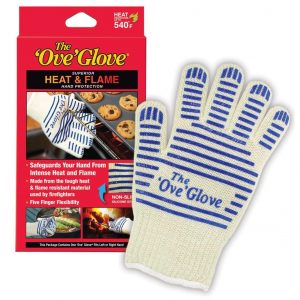
Protect your hands while cooking with the Ove Glove
Importance of Non-Slip Mats
Slips and falls are common in kitchens, but they’re avoidable. Non-slip mats are a simple solution. Place them in areas where water might accumulate, like near the sink. They provide extra grip, reducing the risk of falls. Regularly clean and dry the mats to maintain their effectiveness. Investing in quality mats can keep you safe and steady while you cook.
Using Safety Goggles in the Kitchen
Safety goggles might seem unusual in a kitchen, but they can protect your eyes during certain tasks. Chopping onions or handling spicy ingredients can irritate your eyes. Goggles offer a barrier against these irritants. They’re also helpful when using harsh cleaning chemicals. Keeping your eyes protected enhances not only safety but also comfort while cooking.
Cooking Safety Tips
Cooking safely involves more than just having the right tools. It’s about using them correctly to avoid injuries.
Proper Use of Cutting Boards
Cutting boards are essential kitchen tools. They protect surfaces and keep your knives sharp. Use different boards for raw meat, vegetables, and cooked foods to prevent cross-contamination. Ensure the board is stable by placing a damp cloth underneath it. Clean them thoroughly after each use to maintain hygiene.
Safe Knife Handling Techniques
Knives are among the most used, yet dangerous kitchen tools. Always keep your knives sharp. A sharp knife offers better control and is less likely to slip. Use the correct knife for the task at hand. When cutting, curl your fingers under, keeping them away from the blade. Practice these techniques to improve your skills and safety.
Maintaining a Safe Cooking Environment
Creating a safe cooking environment involves routine maintenance and awareness of potential hazards.
Cleaning and Storing Equipment
Proper cleaning and storing of kitchen equipment prevent accidents and prolong the life of your tools. Clean your equipment after each use to avoid buildup of food particles that can lead to contamination. Store items in designated areas, making sure sharp objects like knives are safely secured. This keeps the space organized and reduces the risk of accidents.
Regular Safety Checks
Regular safety checks can help identify potential hazards before they become problems. Inspect your equipment for damage or wear. Check that fire extinguishers and first aid kits are in good condition. Keep an eye on expiration dates for any chemical products. Doing these checks routinely ensures everything is ready to use when needed.
Boost Confidence in the Kitchen
With the right tools and practices, you can cook with confidence. Let’s see how building a safe environment empowers your cooking experience.
Building a Safe Culinary Space
A safe kitchen is a happy kitchen. Arrange your space to minimize risks. Keep frequently used items within reach. Ensure your cooking area is well-lit and ventilated. These adjustments make cooking more enjoyable and less stressful.
Empowering Your Cooking Skills
When you feel safe, your cooking skills can flourish. Knowing your kitchen is equipped with safety essentials boosts confidence. This allows you to explore new recipes and techniques. Embrace the culinary journey with assurance in your safe and well-prepared kitchen.


All major credit cards accepted
Free Shipping – Order – Track Order – Contact Us
How to Safely Handle Hot Pots and Pans
How to Safely Handle Hot Pots and Pans Handling hot pots and pans without the right approach can lead to painful burns and kitchen accidents. If you’ve ever felt unsure about how to handle hot cookware or worried about slipping while carrying a heavy pot, you’re not alone. This post [...]
Are Silicone Oven Mitts Better Than Traditional Oven Mitts?
Are Silicone Oven Mitts Better Than Traditional Oven Mitts? Most home cooks stick with traditional oven mitts because that’s what they know. But silicone oven mitts offer a very different feel and function. In this oven mitt comparison, you’ll see how heat resistance, grip, flexibility, and cleaning stack up between [...]
How to Choose the Best Oven Mitt for Your Kitchen
How to Choose the Best Oven Mitt for Your Kitchen Most oven mitts promise protection, but many fall short when it really counts. You’ve probably felt that quick burn or struggled with a mitt that’s too stiff or slips off your hand. Finding the best oven mitt means looking beyond [...]
How Hot Can Oven Mitts Get? Understanding Heat Resistance
How Hot Can Oven Mitts Get? Understanding Heat Resistance Most people assume all oven mitts handle the same heat, but that’s far from true. If you’ve ever felt a sudden burn despite wearing mitts, you know how risky it can get. This post breaks down oven mitt heat resistance, revealing [...]
10 Kitchen Safety Tips Every Home Cook Should Know
10 Kitchen Safety Tips Every Home Cook Should Know Most home cooks underestimate the risks lurking in their own kitchens until an accident happens. Cuts, burns, and fires can all be avoided with simple steps that protect you and your loved ones. This post shares 10 kitchen safety tips that [...]
Kitchen Safety: How to Prevent Burns When Cooking
Kitchen Safety: How to Prevent Burns When Cooking Burns in the kitchen happen faster than you think, turning a fun cooking session into a painful memory. If you’ve ever worried about touching a hot pan or spilled boiling water, you’re not alone. This post shares straightforward kitchen safety steps to [...]


