
Oven Safety Tips for Baking Enthusiasts: Avoid Common Kitchen Injuries
Reaching into a hot oven can cause more than just a quick burn—it often leads to painful forearm injuries that many home bakers overlook. If you’ve ever felt that sting while pulling out a tray, you’re not alone. This guide shares oven safety tips that focus on how to prevent forearm burns, so you can protect your arms while baking without slowing down your rhythm. Keep reading to learn simple steps for baking burns prevention that fit right into your kitchen routine. For more information on treating oven burns, check out this link.

Get FREE shipping on the Ove Glove today!
Understanding Kitchen Safety Basics
Getting into the groove of kitchen safety sets the stage for enjoyable baking moments. Let’s kick things off by highlighting why protecting yourself while baking is vital.
Importance of Oven Safety
You might not think twice about reaching into the oven, but each time you do, you’re risking a burn. Keeping your arms safe isn’t just about avoiding pain; it’s about ensuring your baking experience remains fun and stress-free. By taking simple precautions, you reduce the risk of injuries. Most people believe oven safety is common sense, but there’s more to it: Cooking Safety for All sheds light on why it matters.
Common Baking Injuries
Baking injuries aren’t just about burns. They also include cuts from tools or slips on a wet floor. But forearm burns are among the most frequent culprits. If you’re prone to such mishaps, know that you’re not alone. Many home bakers share these stories on platforms like Reddit, emphasizing the need for attention and care.
How to Bake Safely
Safety in baking starts with awareness. Always preheat your oven, use timers, and keep your workspace tidy. Remember, the little things count. Think about using timers to prevent overbaking, or keeping towels away from the stove. These habits contribute to safer baking sessions, and in turn, they enhance your overall baking experience.
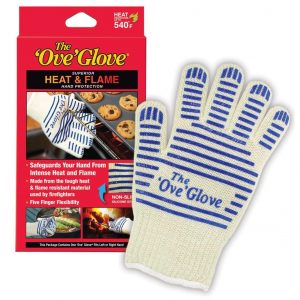
Protect your hands while cooking with the Ove Glove
Prevent Forearm Burns
Let’s dive deeper into one of the most common kitchen mishaps: forearm burns. Here, you’ll find practical advice to keep your arms protected while baking.
Proper Reaching Techniques
Reaching into the oven can be tricky, but using the right technique makes a difference. Always stand to the side and use your dominant hand to remove items. This reduces the chance of burns since your arm is away from hot surfaces. By practicing these methods, you create a safer baking environment.
Protecting Arms While Baking
Wearing long sleeves can offer an added layer of protection. But they should be snug to avoid catching on anything. Think of them as a simple shield against the heat. Combine this with mindful movements, and you’re set to beat those burns. For more tips, explore this community discussion that shares insights from fellow bakers.
Baking Burns Prevention Tools
Equip your kitchen with tools designed to keep you safe. Oven mitts, baking sleeves, and long-handled tongs are invaluable. These tools not only protect but also make baking more enjoyable. Consider investing in quality gear to enhance your kitchen safety and overall baking experience.
Essential Oven Safety Tips
Having tackled forearm burns, let’s move on to broader oven safety tips that can be a game-changer in your kitchen.
Using an Oven Glove
An oven glove is your first line of defense against burns. It’s not just about heat protection; it also offers grip, making it easier to handle hot dishes. Regular use of a good glove minimizes burn risks significantly. Next time you bake, make sure your glove is within reach.
Choosing the Right Ove Glove
Not all gloves are created equal. Look for ones that offer both heat resistance and flexibility. Silicone gloves provide excellent protection and are easy to clean. When selecting, prioritize comfort and function to ensure consistent use. A well-chosen glove can make all the difference in your baking routine.
Maintaining Oven Cleanliness
A clean oven reduces the risk of accidental burns. Grease and spills can lead to unexpected flare-ups. Regular cleaning ensures your oven operates efficiently, promoting a safer baking environment. Make it a habit to check and clean your oven routinely. This simple task can prevent many potential hazards.
Creating a Safe Baking Environment
Beyond personal safety, a well-organized kitchen supports your baking ambitions. Let’s explore how you can create a space that encourages safe baking practices.
Organizing Your Kitchen Space
A clutter-free kitchen is a safe kitchen. Keep your workspace organized with essential tools within reach. This setup reduces stress and minimizes errors during baking. Take time to plan your kitchen layout, focusing on safety and efficiency.
Safe Practices with Baking Equipment
Using baking equipment correctly is crucial. Always ensure your tools are in good condition and handle them with care. Regular maintenance prevents mishaps and extends the life of your equipment. By adopting these habits, you cultivate a safer, more productive baking environment.
Supervision and Awareness
When baking, especially with kids, supervision is key. Keep a watchful eye and maintain awareness of your surroundings. This practice prevents accidents and ensures everyone enjoys their time in the kitchen. Cultivate a mindset of alertness, and you’ll find baking becomes not only safer but also more enjoyable.
Encouraging a Culture of Safety
Baking safety doesn’t stop at your kitchen door. Sharing your knowledge and promoting safety practices can make a difference beyond your home.
Sharing Knowledge with Others
When you learn a new safety tip, share it. Whether through social media or casual conversations, spreading awareness helps others bake safely. By fostering a community of safety-conscious bakers, you contribute to a broader culture of care and consideration.
Building Confidence in Safety Practices
Confidence grows with practice. As you implement safety measures, you’ll notice a boost in your baking skills. This confidence encourages more creativity and enjoyment in the kitchen. Keep building on your knowledge, and watch your baking prowess soar.
Continuous Learning and Improvement
The journey to mastering kitchen safety is ongoing. Stay curious and open to new ideas. Each baking session is an opportunity to refine your skills and enhance your safety practices. By committing to lifelong learning, you ensure a rewarding and safe baking experience.


All major credit cards accepted
Free Shipping – Order – Track Order – Contact Us
How to Safely Handle Hot Pots and Pans
How to Safely Handle Hot Pots and Pans Handling hot pots and pans without the right approach can lead to painful burns and kitchen accidents. If you’ve ever felt unsure about how to handle hot cookware or worried about slipping while carrying a heavy pot, you’re not alone. This post [...]
Are Silicone Oven Mitts Better Than Traditional Oven Mitts?
Are Silicone Oven Mitts Better Than Traditional Oven Mitts? Most home cooks stick with traditional oven mitts because that’s what they know. But silicone oven mitts offer a very different feel and function. In this oven mitt comparison, you’ll see how heat resistance, grip, flexibility, and cleaning stack up between [...]
How to Choose the Best Oven Mitt for Your Kitchen
How to Choose the Best Oven Mitt for Your Kitchen Most oven mitts promise protection, but many fall short when it really counts. You’ve probably felt that quick burn or struggled with a mitt that’s too stiff or slips off your hand. Finding the best oven mitt means looking beyond [...]
How Hot Can Oven Mitts Get? Understanding Heat Resistance
How Hot Can Oven Mitts Get? Understanding Heat Resistance Most people assume all oven mitts handle the same heat, but that’s far from true. If you’ve ever felt a sudden burn despite wearing mitts, you know how risky it can get. This post breaks down oven mitt heat resistance, revealing [...]
10 Kitchen Safety Tips Every Home Cook Should Know
10 Kitchen Safety Tips Every Home Cook Should Know Most home cooks underestimate the risks lurking in their own kitchens until an accident happens. Cuts, burns, and fires can all be avoided with simple steps that protect you and your loved ones. This post shares 10 kitchen safety tips that [...]
Kitchen Safety: How to Prevent Burns When Cooking
Kitchen Safety: How to Prevent Burns When Cooking Burns in the kitchen happen faster than you think, turning a fun cooking session into a painful memory. If you’ve ever worried about touching a hot pan or spilled boiling water, you’re not alone. This post shares straightforward kitchen safety steps to [...]


