
Baking Thanksgiving Dinner Rolls: Essential Kitchen Safety Tips
Thanksgiving baking can turn chaotic fast when you’re juggling hot trays and sticky dough. Handling dinner rolls fresh from the oven without the right oven mitts or heat-resistant gloves sets you up for burns and spills. Getting your kitchen safety tips right before you start makes all the difference between a holiday mess and a smooth, stress-free bake. Let’s break down how to keep your hands safe and your workspace organized while baking Thanksgiving dinner rolls. For more tips on handling hot pots and pans safely, check out this guide.

Get FREE shipping on the Ove Glove today!
Preparing Your Baking Space
Creating a safe and efficient baking environment sets the stage for a successful Thanksgiving feast. Here’s how to start.
Organize Countertops Effectively
Start by clearing your countertops. A clutter-free space allows you to move freely and avoid accidental spills. Arrange your ingredients in order of use. This system not only speeds up your workflow but also minimizes the chance of knocking things over.
Keep essential tools within arm’s reach. This might include mixing bowls, spatulas, and measuring cups. By keeping these items close by, you reduce the risk of accidents caused by reaching across hot surfaces.
Ensure Proper Ventilation
Good air circulation is crucial. It helps manage heat and keeps your kitchen comfortable. Open windows or turn on exhaust fans before you start baking. Ventilation helps disperse heat and odors, creating a more pleasant environment.
If your oven doesn’t vent well, consider using a small fan. Position it away from your workspace to avoid blowing flour or other ingredients around. Proper airflow not only keeps you cool but also aids in maintaining optimal baking conditions.
Clear Pathways for Safety
Make sure pathways in your kitchen are clear. This is critical for quick and safe movement, especially when carrying hot trays. Remove any obstacles, like bags or unused kitchen gadgets, from the floor.
Consider placing a non-slip mat near the oven. This can help prevent slips when transferring hot items. Safety is paramount, and a clear pathway ensures you can navigate your kitchen with ease and confidence.
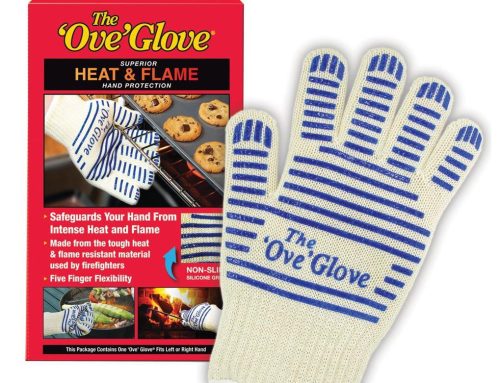
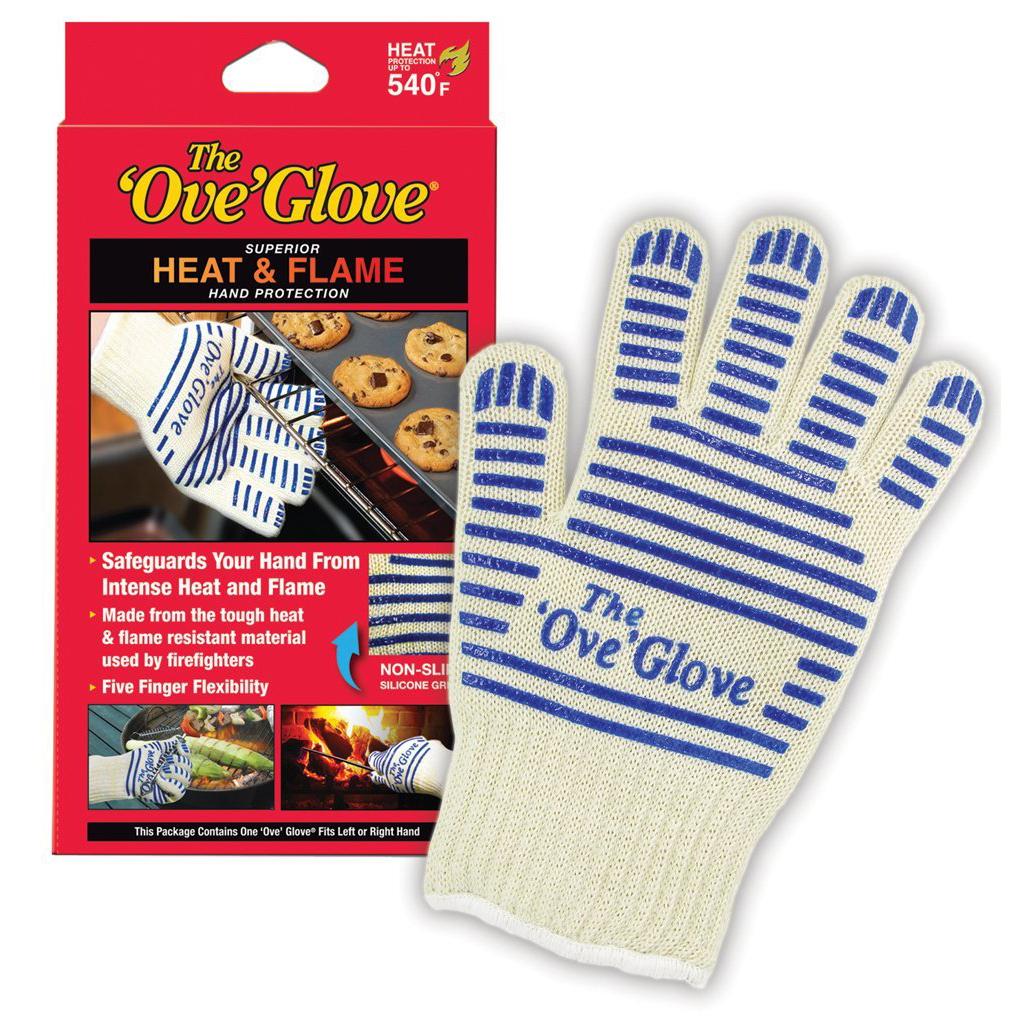
Keep your hands safe while cooking! Order today!
Essential Equipment for Safe Baking
Using the right tools can significantly improve your baking safety. Equip your kitchen with these essentials before you begin.
Choosing the Right Oven Mitts
Selecting the right oven mitts is crucial for safe baking. Look for mitts that offer a good grip and high heat resistance. Silicone oven mitts are often recommended because they can withstand higher temperatures. Discover more about the benefits of silicone oven mitts here.
Ensure your mitts fit well. Ill-fitting mitts can lead to accidents. When trying them on, check that they cover your wrists and allow for easy movement. Good oven mitts protect from burns and provide peace of mind while handling hot items.
Benefits of Heat-Resistant Gloves
Heat-resistant gloves offer flexibility and protection. They allow for a better grip than traditional mitts. Gloves that withstand high temperatures help prevent burns and make handling hot pans safer.
Look for gloves that are easy to clean. Baking can be messy, and washable gloves maintain hygiene. To understand heat resistance levels, read this guide.
Safe Use of Baking Sheets and Pans
Baking sheets and pans should be sturdy and reliable. Opt for non-stick varieties to ease the process of transferring baked goods. Choose pans with handles for easy maneuverability.
Avoid overloading your baking sheets. Overcrowding can lead to uneven baking and spills. Use parchment paper to prevent sticking and make cleanup easier. Proper use of baking sheets and pans contributes to a smoother baking experience.
Handling Hot Surfaces and Ingredients
Managing hot surfaces and ingredients requires caution and proper technique. Here’s what you need to know.
Safe Oven Rack Management
Before placing anything in the oven, ensure the racks are correctly positioned. Adjust them to accommodate your pans and allow for even heat distribution. Use oven mitts when adjusting racks to prevent burns.
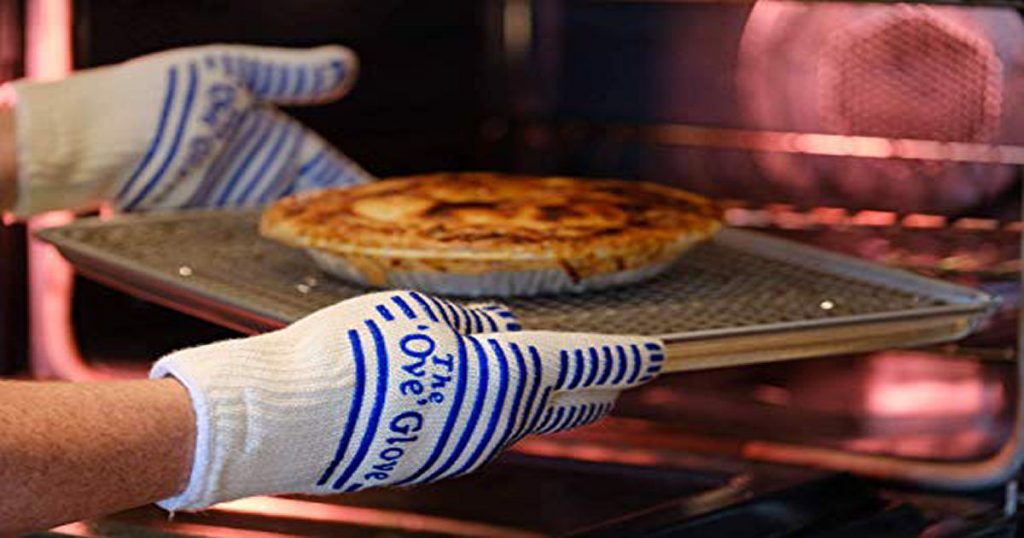
Avoid reaching into a hot oven without protection. Always use mitts or gloves, and be mindful of hot surfaces. A safe approach to oven rack management helps prevent accidents and ensures your baked goods turn out perfectly.
Proper Use of Baking Tools
Use baking tools that are heat resistant and easy to handle. Spatulas and tongs should have comfortable grips. This prevents slips and makes maneuvering easier.
Keep tools organized and within reach. This minimizes distractions and allows you to focus on your baking. Proper use of tools enhances your efficiency and keeps your baking process smooth and safe.
Preventing Burns and Spills
Always be aware of your surroundings when baking. Maintain a safe distance from hot surfaces and wear appropriate clothing. Long sleeves and loose clothing can cause accidents, so opt for fitted attire.
If a spill occurs, clean it up immediately. This prevents slips and keeps your workspace tidy. Vigilance and quick action are key to preventing burns and maintaining a safe kitchen.
Tips for Safe and Efficient Baking
With the basics covered, explore additional tips for a streamlined and safe baking experience.
Planning Your Baking Schedule
Plan your baking schedule to maximize efficiency. Start with items that require the longest bake time. This allows for multitasking and ensures all components of your meal are ready together.
Write down your schedule. Having a visual guide keeps you organized and reduces stress. A well-planned schedule helps you manage time effectively and enhances your baking experience.
Maintaining a Clean Workspace
A clean workspace is essential for safety and efficiency. Wipe down surfaces regularly to remove spills and crumbs. This not only prevents messes but also deters pests.
Store unused ingredients promptly. This frees up space and prevents clutter. Maintaining cleanliness contributes to a more enjoyable baking process and ensures your kitchen remains a safe environment.
Quick Response to Kitchen Accidents
Accidents can happen despite precautions. Keep a first aid kit nearby for quick access. Knowing how to respond to burns or cuts is crucial for safety.
Stay calm and assess the situation. Quick and composed action can prevent minor accidents from escalating. By preparing for potential mishaps, you ensure a safer and more controlled kitchen environment.
Final Touches for Thanksgiving Dinner Rolls
As your baking comes to a close, focus on perfecting the final details of your dinner rolls.
Checking Doneness Safely
Check the doneness of your rolls by tapping their bottoms. A hollow sound indicates they are ready. Use a thermometer for a precise reading. Rolls are typically done at an internal temperature of 190-200°F.
Avoid cutting rolls to check doneness. This releases steam and can lead to uneven baking. Safe methods for checking doneness ensure your rolls are perfectly baked.
Cooling and Storing Rolls
Allow rolls to cool on a wire rack. This prevents sogginess and preserves texture. Once cooled, store them in an airtight container to maintain freshness.
Label storage containers with the date. This helps track freshness and ensures rolls are enjoyed at their best. Proper cooling and storage keep your rolls delicious longer.
Presenting Your Rolls Safely
Presentation matters. Arrange rolls on a platter lined with a clean napkin. This adds a touch of elegance and absorbs any excess moisture.
Consider adding herbs or a sprinkle of sea salt before serving. This enhances flavor and appearance. Presenting your rolls with care impresses guests and completes your Thanksgiving feast.
Frequently Asked Questions
How do I handle hot surfaces safely while baking?
Always use oven mitts or heat-resistant gloves when handling hot surfaces. Ensure your workspace is clear of obstacles to allow safe movement.
What should I do if a spill occurs in the kitchen?
Clean spills immediately to prevent slips. Maintain a tidy workspace to enhance safety and efficiency.
How can I check the doneness of my dinner rolls without cutting them?
Tap the bottom of the rolls; a hollow sound indicates doneness. Use a thermometer for an accurate reading, aiming for 190-200°F.
What is the best way to store leftover dinner rolls?
Cool them completely on a wire rack, then store in an airtight container. This keeps them fresh and prevents moisture buildup.
Why is proper ventilation important in the kitchen?
Good ventilation disperses heat and odors, creating a comfortable environment and helping maintain optimal baking conditions.


All major credit cards accepted
Free Shipping – Order – Track Order – Contact Us
Why Do Oven Mitts Get Hot? 7 Common Mistakes
Why Do Oven Mitts Get Hot? 7 Common Mistakes Oven mitts are supposed to keep your hands safe, but sometimes they end up feeling hotter than they should. This problem usually comes from a few common mistakes that many home cooks don’t realize they’re making. In this post, you’ll learn [...]
Oven Mitt Buying Guide: How to Find the Right One
Oven Mitt Buying Guide: How to Find the Right One Most oven mitts on the market look alike until you’ve burned your hand or dropped a hot pan. Choosing the right one isn’t just about style—it’s about protecting your skin and gripping your cookware safely. This oven mitt buying guide [...]
Best Heat Resistant Gloves for Cooking
Best Heat Resistant Gloves for Cooking Burning your fingers while cooking is more common than you think, and the wrong gloves can make it worse. You need heat resistant gloves that actually protect without sacrificing comfort or grip. This guide breaks down the best cooking gloves so you can handle [...]
Oven Mitts vs Pot Holders: Which Is Safer?
Oven Mitts vs Pot Holders: Which Is Safer? Most home cooks trust their oven mitts or pot holders without a second thought. Yet, not all kitchen accessories offer the same level of burn protection and heat resistance. This post breaks down the safety features of oven mitts versus pot holders, [...]
Best Oven Gloves for Grilling and BBQ
Best Oven Gloves for Grilling and BBQ Most oven gloves fail when the heat gets intense, leaving you risking burns or fumbling with your grill tools. If you’ve ever wished your grilling gloves could offer real protection without sacrificing comfort or grip, you’re not alone. This guide breaks down the [...]
Oven Mitts vs Oven Gloves: What’s the Difference?
Oven Mitts vs Oven Gloves: What's the Difference? Most people grab whatever is handy when reaching for hot cookware, but oven mitts and oven gloves are not the same. Choosing the wrong one can cost you in safety and comfort. This cooking tools comparison breaks down how their designs, materials, [...]

Leave A Comment
You must be logged in to post a comment.