
Brining Techniques for Juicy Chicken Every Time
You’ve spent time cooking chicken only to end up with dry, tough bites. That frustrating dryness happens because your chicken loses moisture the moment you cut into it. Learning how to keep chicken moist involves more than just watching the clock—it’s about mastering brining techniques, smart cooking methods for chicken, and knowing the right way to rest chicken after cooking. Stick around, and you’ll get tender chicken tips that turn every meal into a juicy success. For more insights, check out this guide to cooking moist chicken breasts.
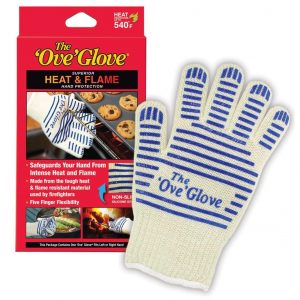
Never burn your hands again while cooking!

Understanding Chicken Dryness
Keeping chicken juicy starts with understanding why it dries out. Let’s dive into the science and methods that lead to moisture loss.
Why Chicken Dries Out
Chicken often dries out due to moisture loss during cooking. When exposed to high heat, the proteins in chicken tighten, squeezing out the juices. This is why timing and temperature are crucial. Cooking chicken at too high a temperature or for too long can turn a juicy cut into a dry one. Next time you cook, remember that the right balance of heat and duration is key. For additional tips, visit this community discussion on juicy chicken.
Impact of Cooking Methods
Different methods affect how chicken retains moisture. Grilling and baking can dry out chicken if not monitored carefully. Using a lid or foil can trap steam, keeping the meat moist. If frying, the high heat can seal juices if done quickly. It’s all about the method you choose and how you execute it. To explore more about cooking methods, take a look at this expert article.
Importance of Resting Chicken
Resting chicken post-cooking allows the juices to redistribute. Cutting into it immediately after cooking releases moisture that hasn’t settled. Letting it rest for at least 5-10 minutes helps retain those delicious juices. Practice patience, and you’ll notice a big difference in texture and taste.
Effective Brining Techniques
Brining chicken is a game-changer. It infuses flavor and ensures each bite is tender and moist.
Simple Brining Solutions
A basic brine is easy to prepare. Mix water with salt and let your chicken soak. One cup of salt to one gallon of water works well. This method helps the chicken retain moisture during cooking, leading to a juicier dish. Try it once, and you’ll see the impact immediately.
Infusing Moisture with Flavor
Take your brine up a notch by adding herbs, spices, or even a bit of sugar. Rosemary, thyme, and peppercorns add depth to your chicken. This not only keeps the meat juicy but also enhances its flavor profile. Experiment with different combinations to find your favorite mix.
Advanced Brining Tips
For a more intense flavor, consider dry brining. Rub salt directly onto the chicken and let it sit in the fridge. This method enhances both taste and texture without needing a large container for liquid. It’s perfect for those with limited space but big flavor ambitions.
Cooking Methods for Moist Chicken
Choosing the right cooking technique is crucial for juicy chicken. Let’s explore some innovative ways to ensure each bite is perfect.
Innovative Cooking Techniques
Sous vide cooking is gaining popularity. It uses precise temperature control to cook chicken evenly, locking in moisture. Cooking at a controlled temperature ensures consistency and reduces the chance of drying out. If you’re looking for precision, this might be your new go-to method.
Flavorful Marinades
Marinades can transform your chicken. A mix of olive oil, lemon juice, and garlic creates a zesty marinade that tenderizes and flavors your chicken. Let it soak for a few hours, and you’ll have a dish that’s both juicy and flavorful.
Tender Chicken Tips
Here are quick tips to keep your chicken tender:
-
Always preheat your oven or pan for even cooking.
-
Use a meat thermometer to avoid overcooking.
-
Let chicken rest before slicing to keep juices locked in.
By mastering these techniques, you’ll ensure every chicken dish you make is a juicy success. Remember, the longer you wait to try these methods, the more dry chicken you might endure. Start today and enjoy the benefits of moist, delicious chicken!
Never burn your hands again while cooking!
Are Oven Mitts Machine Washable?
Are Oven Mitts Machine Washable? Oven mitts take a beating in the kitchen, catching spills and heat that can leave them grimy fast. But tossing them in the washing machine might not be as simple as it seems. If you want to keep your mitts safe and lasting longer, knowing [...]
Why Do Oven Mitts Get Hot? 7 Common Mistakes
Why Do Oven Mitts Get Hot? 7 Common Mistakes Oven mitts are supposed to keep your hands safe, but sometimes they end up feeling hotter than they should. This problem usually comes from a few common mistakes that many home cooks don’t realize they’re making. In this post, you’ll learn [...]
Oven Mitt Buying Guide: How to Find the Right One
Oven Mitt Buying Guide: How to Find the Right One Most oven mitts on the market look alike until you’ve burned your hand or dropped a hot pan. Choosing the right one isn’t just about style—it’s about protecting your skin and gripping your cookware safely. This oven mitt buying guide [...]
Best Heat Resistant Gloves for Cooking
Best Heat Resistant Gloves for Cooking Burning your fingers while cooking is more common than you think, and the wrong gloves can make it worse. You need heat resistant gloves that actually protect without sacrificing comfort or grip. This guide breaks down the best cooking gloves so you can handle [...]
Oven Mitts vs Pot Holders: Which Is Safer?
Oven Mitts vs Pot Holders: Which Is Safer? Most home cooks trust their oven mitts or pot holders without a second thought. Yet, not all kitchen accessories offer the same level of burn protection and heat resistance. This post breaks down the safety features of oven mitts versus pot holders, [...]
Best Oven Gloves for Grilling and BBQ
Best Oven Gloves for Grilling and BBQ Most oven gloves fail when the heat gets intense, leaving you risking burns or fumbling with your grill tools. If you’ve ever wished your grilling gloves could offer real protection without sacrificing comfort or grip, you’re not alone. This guide breaks down the [...]


