
Creative Topping Ideas to Enhance Your Whipped Tofu and Roasted Broccoli
Most vegetarian dishes miss that perfect balance of creamy and crispy. Your whipped tofu recipe can change that by pairing it with roasted broccoli that brings out natural sweetness. Master simple oven techniques and creative toppings like sesame seeds and chile crisp to turn this into a vegetarian main dish everyone will talk about. Learn more about this delicious combination here.
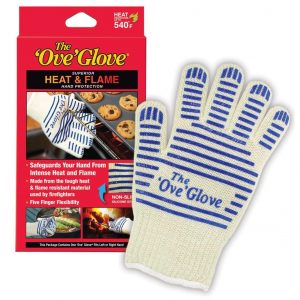
Never burn your hands again while cooking!

Perfecting Whipped Tofu
Crafting the ultimate whipped tofu starts with mastering the base. Whip it to creamy perfection, ensuring every bite melts in your mouth. Here’s how you can achieve it.
Creamy Base Secrets
Creating the perfect base is all about choosing the right ingredients. Start with firm tofu. Drain it well to eliminate excess moisture. This step is crucial for the creamy texture you’re aiming for.
Once drained, blend the tofu with a bit of nutritional yeast and lemon juice. These additions enhance the flavor, giving it a slight tang. A splash of olive oil adds richness, making the whipped tofu even creamier. Use a high-speed blender to ensure smoothness. Blend until the mixture is silky. Your base is now ready to be the canvas for exciting toppings.
Flavors That Pop
Now that you have the perfect base, it’s time to infuse vibrant flavors. Consider garlic powder or a hint of smoked paprika. These spices add depth without overpowering the dish. For an extra layer, swirl in some tahini. It gives a nutty flavor that pairs well with the tofu.
Experiment with fresh lemon zest. This brightens up the dish, making each bite refreshing. Remember, small tweaks can transform the whipped tofu into a standout dish.
Roasted Broccoli Techniques
Pairing whipped tofu with roasted broccoli elevates the dish. Discover the methods to achieve crispy, flavorful results that complement your tofu perfectly.
Achieving Crispy Results
Crispiness is key when roasting broccoli. Begin by cutting your broccoli into even florets. This ensures they cook uniformly. Preheat your oven to 425°F—a hot oven is essential for crisp results.
Toss the florets in olive oil, ensuring each piece is coated. Spread them on a baking sheet in a single layer. Crowded pans lead to steaming, not roasting. Roast for 20-25 minutes, turning halfway through. You’ll know they’re done when the edges are a rich, golden brown.
Balancing Natural Sweetness
Balancing the natural sweetness of broccoli enhances its appeal. Before roasting, consider adding a pinch of sea salt and a dash of honey. The salt amplifies the broccoli’s flavor, while the honey caramelizes, bringing out its sweetness.
For a savory twist, sprinkle some soy sauce before serving. This adds an umami kick, perfectly balancing the dish’s flavors. Experiment with these techniques to find your ideal flavor profile.
Creative Topping Ideas
Toppings can transform this dish from ordinary to extraordinary. Let’s explore how seeds and herbs can add that final touch of flair and flavor.
Adding Crunch with Seeds
Adding seeds introduces a satisfying crunch to your dish. Sesame seeds are a popular choice. They offer a slight nuttiness and pair well with the creamy tofu. You can toast them for an added layer of flavor.
For more variety, try pumpkin seeds or sunflower seeds. These options not only enhance texture but also provide nutritional benefits. Sprinkle them generously over your finished dish for that perfect finishing touch.
Fresh Herbs for Freshness
Herbs bring freshness and color to your plate. Consider using cilantro or basil. They add a pop of green and a burst of flavor. Chop them finely and sprinkle over the dish just before serving.
For a more aromatic touch, use mint. It pairs well with the creaminess of the tofu and the earthiness of the broccoli. Herbs are a simple yet effective way to elevate your culinary creation.
By following these tips, your whipped tofu and roasted broccoli dish will not only taste amazing but also look like a professional masterpiece. Enjoy creating and sharing this delightful vegetarian main!
Never burn your hands again while cooking!
Essential Holiday Baking Tips for Home Enthusiasts
Stay Safe and Energized: Essential Holiday Baking Tips for Home Enthusiasts Holiday baking marathons can leave even the most dedicated home bakers drained and prone to mistakes. Fatigue in the kitchen during Christmas baking or Thanksgiving baking increases the risk of accidents, turning joyful moments into stressful ones. With simple [...]
Top Indicators It’s Time to Replace Your Kitchen Equipment for Safer Cooking
Top Indicators It's Time to Replace Your Kitchen Equipment for Safer Cooking Your oven glove might look fine at first glance, but worn-out fabric and melted surfaces signal serious risks. Ignoring wear and tear signs on your kitchen safety gear can turn everyday cooking into a dangerous task. Spotting these [...]
Avoiding Burns When Reheating Food in Glass
Mastering Microwave Safety: Avoiding Burns When Reheating Food in Glass Burns from reheating food in glass bakeware happen more often than you think. Many people don’t realize how crucial microwave safe glass and proper cooling times are to prevent thermal shock in glass. By using oven mitts safety and spotting [...]
Essential Kitchen Safety Tips for Preventing Burns
Protect Your Home: Essential Kitchen Safety Tips for Preventing Burns Most home cooks focus on stovetops and ovens when thinking about kitchen safety, but there’s a hidden danger many miss: hot cabinet doors. These surfaces can heat up enough to cause painful burns without warning. By spotting how heat travels [...]
Tips to Prevent Common Kitchen Injuries
Safeguard Your Culinary Space: Tips to Prevent Common Kitchen Injuries Every year, thousands end up in the ER because of kitchen accidents that sneak up on even the most careful cooks. You might think a quick slice or a minor spill won’t cause trouble, but preventing burns, slips, and knife [...]
What Every Home Cook Needs to Know
Understanding Thermal Resistance: What Every Home Cook Needs to Know Most oven gloves fail when temperatures soar above 400 degrees. You don’t have to settle for burned hands or ruined meals. Understanding thermal resistance and the role of heat resistant materials like silicone cooking utensils, aramid fibers, and cotton insulation [...]


