
Cook Safe: Effective Strategies for Preventing Kitchen Injuries in Kids
Kids and kitchens don’t always mix well, especially when it comes to burns. Their natural curiosity and shorter height put them closer to hot surfaces and open flames, making kitchen burns prevention a must for every parent. You’ll find out why common kitchen hazards for kids happen and learn practical cooking safety tips for kids that really work, like using child-proof cookware and setting clear boundaries. Keep reading to protect your little chefs before the next accident happens. For more tips, visit this link.

Get FREE shipping on the Ove Glove today!
Understanding Kids’ Vulnerability
Children have a natural curiosity that often leads them into risky situations, especially in the kitchen. This section will help you understand why kids are particularly vulnerable.
Natural Curiosity and Risks
Kids are naturally curious, always exploring their environment. They want to know how everything works, which can lead to dangerous situations in the kitchen. You might find them reaching for shiny utensils or trying to mimic your cooking moves. This constant exploration is normal but can be risky when they are near hot surfaces or sharp objects. To keep them safe, it’s important to channel their curiosity into safe activities.
Common Kitchen Hazards for Kids
The kitchen is filled with potential hazards. Hot stoves, boiling water, sharp knives, and electrical appliances are just a few examples. Children may not recognize these dangers. Their sense of caution is still developing, so they might not understand the consequences of touching a hot pot or playing near the stove. As a caregiver, knowing these hazards lets you take proactive steps to prevent accidents.
Impact of Shorter Stature
A child’s height can make them more susceptible to kitchen burns. Countertops, stovetops, and other surfaces are at eye level or higher, making it easier for them to accidentally touch or grab something hot. You might not realize how easy it is for a child to reach for a pot handle or touch a hot oven door until you see them do it. Keeping hot items out of reach is crucial for reducing the risk of burns.
Common Scenarios Leading to Burns
Now that you understand the vulnerabilities, let’s dive into specific scenarios where burns often occur in the kitchen. Being aware of these situations can help you prevent them.
Reaching for Stovetops
It’s common for kids to reach for items on the stovetop, not realizing the danger. They might see a pot of boiling water or a pan with food and want to get involved. Unfortunately, this can lead to serious burns. To prevent this, always keep handles turned away from the edge and use the back burners whenever possible. You can also create a visual reminder, like a bright sticker, to show them where they shouldn’t go.
Handling Hot Cookware
Hot cookware like pots and pans pose a significant risk. Kids might try to help by moving a pot or lifting a pan, unaware of the heat. Always use oven gloves, and teach your child to wait for assistance before touching any cookware. You can introduce them to safe cooking practices by involving them in tasks that don’t require handling hot items.
Proximity to Open Flames
Being close to open flames is another common cause of kitchen burns. Children might be fascinated by the flickering flames of a gas stove or candle. Explain the danger of open flames and establish a rule that they must stay a certain distance away. Visual cues, like a marked area on the floor, can reinforce this boundary.
Effective Prevention Strategies
To protect your little ones, here are some strategies to prevent kitchen injuries. These actionable tips focus on education, boundaries, and tools.
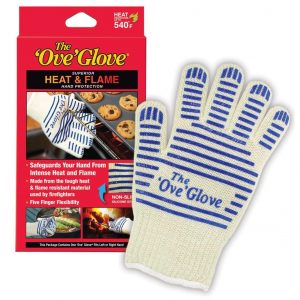
Protect your hands while cooking with the Ove Glove
Age-Appropriate Cooking Education
Start by teaching your kids about kitchen safety in a way they can understand. Explain which items are hot and why they should be cautious. Use simple language and real-life examples to make the lessons memorable. Engaging them in safe cooking activities can also help reinforce these concepts, turning learning into fun.
Setting Clear Kitchen Boundaries
Setting boundaries is essential to keep kids safe. Designate specific areas in the kitchen where they can and can’t go. Use visual markers or physical barriers to make these boundaries clear. Discuss the rules regularly to ensure they remember. Consistency is key to making sure these rules are followed.
Using Child-Proof Cookware
Investing in child-proof cookware can add an extra layer of safety. Look for pots and pans with cool-touch handles and lids that lock securely. These features can prevent accidental spills and burns. Products like the Ove Glove offer protection when handling hot items. Using the right tools makes a big difference in preventing injuries.
Creating a Safe Cooking Space
Creating a safe environment means more than just teaching and setting boundaries. Here’s how to design a space that minimizes risks.
Design a Kid-Friendly Kitchen
Consider how your kitchen is set up. Keep dangerous items out of reach, and ensure that your child has a safe place to stand or sit while you cook. Non-slip mats and a sturdy step stool can make the kitchen more accessible and safe. Rearrange your space to prioritize safety without sacrificing functionality.
Essential Cooking Safety Tips for Kids
Implement safety tips that your kids can easily remember. Teach them to always ask before touching something new, to stay away from the stove unless invited, and to notify you if something spills or breaks. Repetition and reinforcement of these rules will help solidify safe habits.
Recommended Safety Tools and Gear
Equip your kitchen with safety tools. Child locks for cabinets, stove knob covers, and corner protectors can reduce the risk of accidents. Choose tools that suit your kitchen’s layout and your child’s age. Proper gear supports a safe cooking experience and provides peace of mind.
Empowering Young Chefs Safely
Encouraging your child’s interest in cooking can be rewarding. Here’s how to do it safely and responsibly.
Encouraging Safe Kitchen Participation
Let your child participate in kitchen activities suited to their age. Give them tasks like washing veggies or stirring ingredients in a cool bowl. Participation fosters interest and builds skills while keeping them away from hazards. Celebrate their involvement and progress.
Building Confidence with Supervision
Supervise your child’s kitchen activities closely. Be present, offering guidance and correcting mistakes gently. Your oversight builds their confidence and reinforces safe practices. Remember, your support is vital in helping them learn and grow safely.
Inspiring Aspiring Chefs Responsibly
Inspiring your child to explore cooking is about balancing enthusiasm with responsibility. Encourage their aspirations, but ensure they understand the importance of safety. Use positive reinforcement to motivate them and set a good example by following safety rules yourself.
By implementing these strategies, you’ll create a safer kitchen environment, empowering your young chefs to explore and learn without unnecessary risks. For more information on preventing burns, check out this burn safety guide.


All major credit cards accepted
Free Shipping – Order – Track Order – Contact Us
The Secret to Safe Cooking with Hot Cookware
Get a Grip: The Secret to Safe Cooking with Hot Cookware Most home cooks ignore one simple skill that causes more kitchen accidents than anything else: grip strength. When you handle hot cookware without a firm hold, you risk dropping pans and serious injuries. This article shows why grip matters [...]
How to Avoid Common Kitchen Dangers
From Ovens to Grills: How to Avoid Common Kitchen Dangers Most kitchens hide unexpected dangers right in plain sight. Ovens, stovetops, grills, and even baking sheets can cause serious harm if you’re not careful. Knowing the top kitchen hazards and safety tips can protect you and your family every time [...]
The Best Heat Resistant Gloves for Serious Chefs
Exploring Top Brands: The Best Heat Resistant Gloves for Serious Chefs Most chefs underestimate how much heat can sneak past their regular gloves until a painful burn happens. Your hands are your most valuable tools in the kitchen, and protecting them with the right heat resistant gloves is non-negotiable. In [...]
What to Do After a Minor Burn
Kitchen Safety Tips: What to Do After a Minor Burn Minor kitchen burns catch everyone off guard, even the most careful cooks. Knowing exactly what to do right after the burn can stop the pain from getting worse and keep your skin safe. In this post, you’ll get clear first [...]
How to Choose the Best Oven Mitts for Safer Cooking
How to Choose the Best Oven Mitts for Safer Cooking Burns in the kitchen happen more often than you think, and grabbing a hot tray without proper protection is a quick way to ruin your day. Oven gloves are not just another cooking accessory—they play a key role in kitchen [...]
The Best Gear to Avoid Painful Burns
Protect Yourself in the Kitchen: The Best Gear to Avoid Painful Burns Burns in the kitchen happen more often than you think, and most come from simple mistakes you might be making every day. Grabbing a hot pan without the right protection or getting caught off guard by steam can [...]


