Hot Grill Safety: Essential Tips for Keeping Your Cookouts Risk-Free
Most people ignore how quickly BBQ flare-ups can turn a fun cookout into a risky moment. You might think you’ve got hot grill safety figured out, but outdoor cooking dangers often catch even seasoned grillers off guard. This post shares grilling safety tips that will help you avoid those hidden hazards and keep your cookouts safe and enjoyable.

Understanding Grilling Hazards
Before you light up the grill, it’s crucial to understand the potential hazards lurking in your backyard. Many don’t realize how easily a joyful cookout can become dangerous.
Common Outdoor Cooking Dangers
When grilling, several issues can arise. One common problem is leaving the grill unattended. This can result in out-of-control fires. Another danger is using grills in enclosed spaces, which can lead to harmful smoke buildup. Both scenarios can quickly escalate into emergencies.
Using the wrong tools or wearing loose clothing can also pose threats. Long sleeves that dangle near the flames or tools without proper grip can cause accidents. Always ensure you’re using equipment designed for grilling to avoid mishaps.
For more detailed information on these dangers, check the National Fire Protection Association’s tips.
The Risks of BBQ Flare-Ups
BBQ flare-ups are more than just an inconvenience; they can be a significant danger. Excess fat dripping onto flames is a primary cause. This can lead to sudden bursts of fire that might catch you by surprise.
These flare-ups can damage your grill and potentially cause burns. They may also ruin your meal by charring the food. Keeping a close eye on your grill and understanding how to manage heat can prevent these incidents.
Check out this guide for further insights into managing flare-ups effectively.
Preparing Your Grill Station
Setting up your grill station thoughtfully can make a big difference in safety. This preparation step is often overlooked, but it’s vital.
Essential Grilling Precautions
Start by placing your grill on a stable surface. Ensure it’s at least 10 feet away from any structure to prevent accidental fires. This distance reduces the risk of flames spreading to your home.
Always have a fire extinguisher nearby. You never know when a small flame could become uncontrollable. It’s also wise to have a spray bottle filled with water to manage minor flare-ups.
For more safety tips, visit First Alert’s detailed guide.
Organizing Tools for Hot Grill Safety
Organizing your tools can boost safety. Keep your utensils within reach, so you don’t have to search for them mid-cook. Consider using a tool rack or magnetic strip to keep everything tidy.
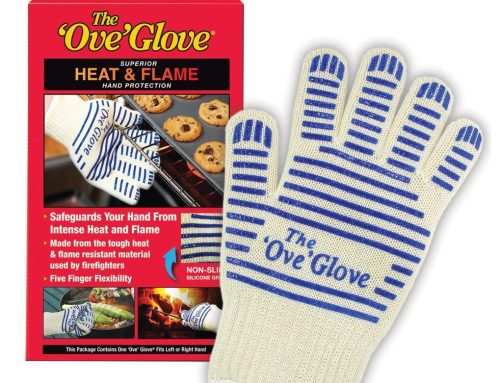
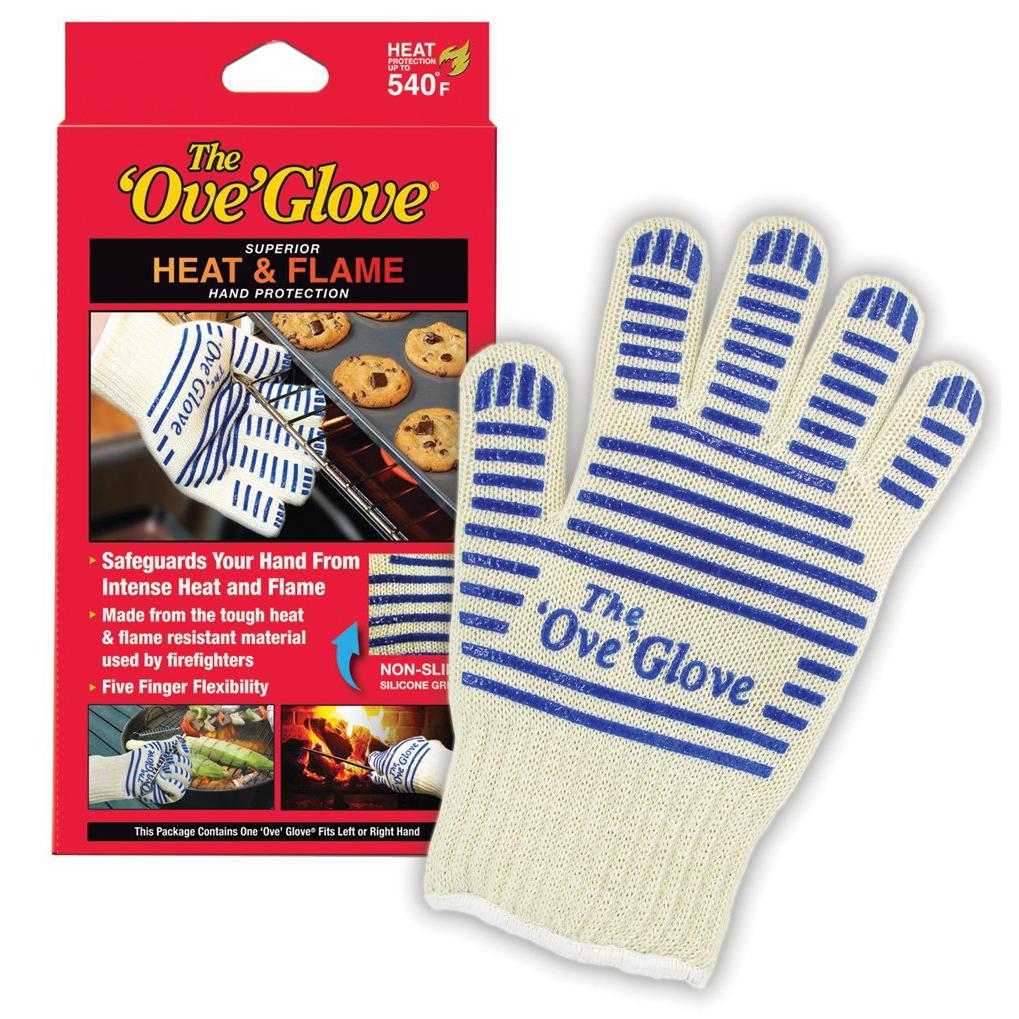
Invest in long-handled tongs and spatulas to maintain a safe distance from the heat. Use heat-resistant gloves for handling hot items. Proper organization ensures you can focus on cooking without distractions.
Cooking Techniques for Risk Reduction
Mastering safe cooking techniques can significantly lower the risks during grilling. These strategies help you manage flare-ups and maintain control.
Managing BBQ Flare-Ups
To manage flare-ups, control your grill’s temperature. Reduce heat when you notice more flames than usual. Trimming excess fat from meats can also help.
If a flare-up occurs, move your food to a cooler part of the grill. This prevents burning and keeps the fire manageable. Don’t douse the flames with water, as this can spread embers and grease.
Best Practices for Safe Grilling
Adhering to best practices is key. Preheat your grill for 15 minutes to kill bacteria on the grates. Always keep a thermometer handy to ensure meats are cooked thoroughly, avoiding foodborne illnesses.
Keep children and pets away from the grill area. Their presence can be distracting and potentially dangerous. By focusing on these practices, you ensure a safe and enjoyable grilling session.
Maintaining Your Grill Safely
A well-maintained grill is vital for safe cooking. Proper cleaning and upkeep prevent unexpected issues.
Cleaning Hot Grates Effectively
Cleaning your grill grates is essential after each use. Use a wire brush to remove food residue while the grates are still warm. This prevents buildup that could lead to flare-ups next time you cook.
For a deep clean, remove the grates and soak them in hot, soapy water. Rinse thoroughly before returning them to the grill. Regular cleaning keeps your grill in top condition and ready for safe cooking.
Routine Grill Maintenance Tips
Regular maintenance extends your grill’s life and ensures safety. Check your grill for loose parts or leaks, especially if using gas. Tighten any loose connections and replace worn-out parts.
Conducting these checks monthly can prevent bigger, more expensive issues later. Keep your grill covered when not in use to protect it from the elements.
Emergency Preparedness During Cookouts
Being prepared for emergencies is crucial. Quick action can prevent injuries and save your property.
Handling Accidents Swiftly
If an accident occurs, stay calm. For minor burns, run cold water over the area to soothe it. For larger fires, use a fire extinguisher immediately.
Never try to move a burning grill. Instead, call the fire department if the fire becomes unmanageable. Quick thinking and calm actions can make a significant difference.
Assembling a Grill Safety Kit
Having a safety kit nearby is essential. Stock it with a fire extinguisher, first aid supplies, and a spray bottle of water. Consider including a small fire blanket for emergencies.
Keeping this kit accessible ensures you’re ready for any situation. Being prepared helps to keep your cookout safe and stress-free.
By following these grilling safety tips, you can enjoy outdoor cooking with peace of mind. The longer you wait to implement these practices, the more you risk encountering dangerous situations. Remember, safety is the best ingredient in any recipe!

All major credit cards accepted
Free Shipping – Order – Track Order – Contact Us
Can You Use Oven Mitts on a Grill?
Can You Use Oven Mitts on a Grill? Grilling at high heat demands gear that keeps your hands safe from sudden flare-ups and scorching racks. Many wonder if their trusty oven mitts can handle the heat outdoors or if specialized grilling gloves are a must. This post breaks down what [...]
What Are the Best Oven Mitts for Cast Iron Pans?
What Are the Best Oven Mitts for Cast Iron Pans? Heavy cast iron pans demand more than just any oven mitt. If you’ve ever wrestled with thick, scorching cookware, you know how a poor grip or weak heat protection can ruin your cooking flow. This guide breaks down the best [...]
Do Oven Mitts Protect Against Steam?
Do Oven Mitts Protect Against Steam? Steam burns happen faster than you think, and not every oven mitt can stop them. If you rely on regular cotton mitts, your hands might still face serious heat and moisture damage. This post breaks down which oven mitts protect against steam and shares [...]
What Is the Best Material for Oven Mitts?
What Is the Best Material for Oven Mitts? Picking the right oven mitt can feel tougher than nailing a perfect souffle. With so many oven mitt materials out there, how do you know which one keeps your hands safe without slowing you down? Let’s break down the heat resistant mitts [...]
The Complete Guide to Oven Mitts and Heat Resistant Gloves
The Complete Guide to Oven Mitts and Heat Resistant Gloves Burning your hands while cooking is more common than you think, and the wrong oven mitts only make it worse. You want hand protection that feels comfortable but actually keeps heat at bay, whether you're baking, grilling, or frying. This [...]
Best Oven Mitts for Baking
Best Oven Mitts for Baking Most oven mitts promise protection, but many fail when heat spikes in the kitchen. You need gear that stays cool, grips tight, and feels good on your hands. This guide on the best oven mitts for baking breaks down top rated options with real user [...]