Top Tools for Home Cooking Safety: From Fire Extinguishers to Oven Mitts
Most kitchen accidents happen within seconds but last a lifetime. If you’ve ever worried about cuts, burns, or slips while cooking, you’re not alone. This guide covers the kitchen safety essentials every home cook needs—from fire extinguishers and first aid kits to oven mitt safety and non-slip mats—to help you prevent kitchen accidents and keep your cooking space safe.

Order the Ove Glove today and get FREE shipping!
Essential Kitchen Tools
Every kitchen should have tools that ensure safety while you cook. Let’s start with some basics: fire extinguishers, first aid kits, and sturdy oven mitts.
Fire Extinguishers for Kitchens
Having a fire extinguisher in your kitchen is a must. Fires can start quickly, and being prepared can save you from disaster. Look for extinguishers labeled for cooking fires. They are effective against grease and electrical fires. Keep one easily accessible, ideally close to your cooking area. Remember to check its expiration date regularly. Knowing how to use it is just as important as having one. Practice using it so you can act fast in an emergency.
First Aid Kit Kitchen
A well-stocked first aid kit is crucial in any kitchen. Accidents happen, and having supplies at hand can make a difference. Include bandages, antiseptic wipes, and burn cream. These items can help treat cuts, scrapes, or minor burns. Store your kit in a place that’s easy to reach. Regularly check and replenish supplies to ensure everything is in good condition. This simple step can provide peace of mind while you cook.
Oven Mitt Safety
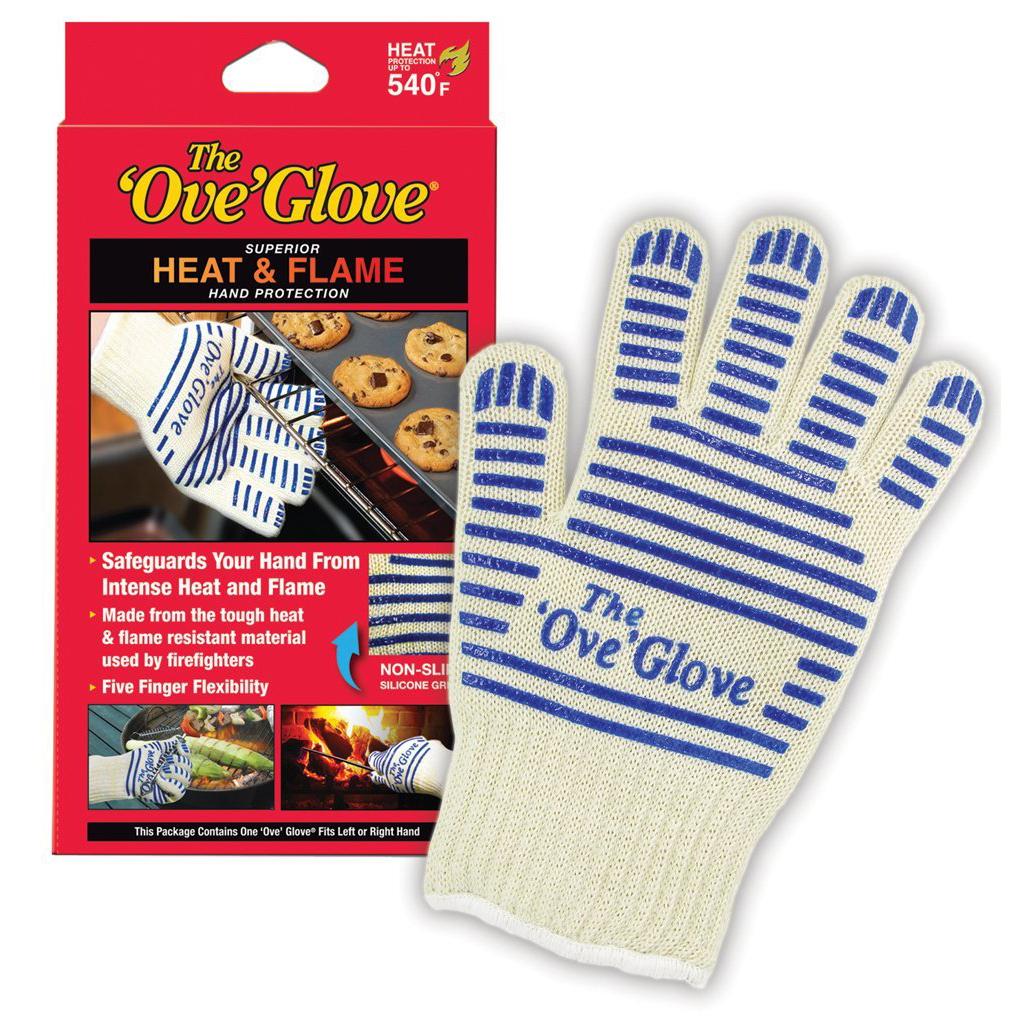
Oven mitts protect your hands from burns when handling hot pots and pans. Choose mitts made from heat-resistant materials like silicone or Kevlar. Learn about the best options here. They should cover up to your wrists for full protection. Avoid mitts with wear and tear as they might not provide adequate safety. Keep them dry to ensure they remain effective. Wet mitts can transfer heat quickly, posing a burn risk.
Prevent Kitchen Accidents
Preventing accidents in the kitchen is all about being proactive. Simple tools and practices can make cooking safer and more enjoyable.
Protect your hands while cooking with the Ove Glove
Importance of Non-Slip Mats
Slips and falls are common in kitchens, but they’re avoidable. Non-slip mats are a simple solution. Place them in areas where water might accumulate, like near the sink. They provide extra grip, reducing the risk of falls. Regularly clean and dry the mats to maintain their effectiveness. Investing in quality mats can keep you safe and steady while you cook.
Using Safety Goggles in the Kitchen
Safety goggles might seem unusual in a kitchen, but they can protect your eyes during certain tasks. Chopping onions or handling spicy ingredients can irritate your eyes. Goggles offer a barrier against these irritants. They’re also helpful when using harsh cleaning chemicals. Keeping your eyes protected enhances not only safety but also comfort while cooking.
Cooking Safety Tips
Cooking safely involves more than just having the right tools. It’s about using them correctly to avoid injuries.
Proper Use of Cutting Boards
Cutting boards are essential kitchen tools. They protect surfaces and keep your knives sharp. Use different boards for raw meat, vegetables, and cooked foods to prevent cross-contamination. Ensure the board is stable by placing a damp cloth underneath it. Clean them thoroughly after each use to maintain hygiene.
Safe Knife Handling Techniques
Knives are among the most used, yet dangerous kitchen tools. Always keep your knives sharp. A sharp knife offers better control and is less likely to slip. Use the correct knife for the task at hand. When cutting, curl your fingers under, keeping them away from the blade. Practice these techniques to improve your skills and safety.
Maintaining a Safe Cooking Environment
Creating a safe cooking environment involves routine maintenance and awareness of potential hazards.
Cleaning and Storing Equipment
Proper cleaning and storing of kitchen equipment prevent accidents and prolong the life of your tools. Clean your equipment after each use to avoid buildup of food particles that can lead to contamination. Store items in designated areas, making sure sharp objects like knives are safely secured. This keeps the space organized and reduces the risk of accidents.
Regular Safety Checks
Regular safety checks can help identify potential hazards before they become problems. Inspect your equipment for damage or wear. Check that fire extinguishers and first aid kits are in good condition. Keep an eye on expiration dates for any chemical products. Doing these checks routinely ensures everything is ready to use when needed.
Boost Confidence in the Kitchen
With the right tools and practices, you can cook with confidence. Let’s see how building a safe environment empowers your cooking experience.
Building a Safe Culinary Space
A safe kitchen is a happy kitchen. Arrange your space to minimize risks. Keep frequently used items within reach. Ensure your cooking area is well-lit and ventilated. These adjustments make cooking more enjoyable and less stressful.
Empowering Your Cooking Skills
When you feel safe, your cooking skills can flourish. Knowing your kitchen is equipped with safety essentials boosts confidence. This allows you to explore new recipes and techniques. Embrace the culinary journey with assurance in your safe and well-prepared kitchen.


All major credit cards accepted
Free Shipping – Order – Track Order – Contact Us
How to Handle a Cast Iron Skillet Safely When It’s Hot
How to Handle a Cast Iron Skillet Safely When It's Hot Handling a hot cast iron skillet can feel like walking a tightrope without a safety net. One wrong move, and you risk burns or spills that ruin your cooking flow. This guide will share practical cooking safety tips and [...]
How to Safely Remove a Hot Baking Dish From the Oven
How to Safely Remove a Hot Baking Dish From the Oven Burns from hot baking dishes happen more often than you might think, and a split second of carelessness can ruin your day. You want to enjoy your delicious meals without risking painful accidents or messy spills. Learning how to [...]
Can You Use Oven Mitts on a Grill?
Can You Use Oven Mitts on a Grill? Grilling at high heat demands gear that keeps your hands safe from sudden flare-ups and scorching racks. Many wonder if their trusty oven mitts can handle the heat outdoors or if specialized grilling gloves are a must. This post breaks down what [...]
What Are the Best Oven Mitts for Cast Iron Pans?
What Are the Best Oven Mitts for Cast Iron Pans? Heavy cast iron pans demand more than just any oven mitt. If you’ve ever wrestled with thick, scorching cookware, you know how a poor grip or weak heat protection can ruin your cooking flow. This guide breaks down the best [...]
Do Oven Mitts Protect Against Steam?
Do Oven Mitts Protect Against Steam? Steam burns happen faster than you think, and not every oven mitt can stop them. If you rely on regular cotton mitts, your hands might still face serious heat and moisture damage. This post breaks down which oven mitts protect against steam and shares [...]
What Is the Best Material for Oven Mitts?
What Is the Best Material for Oven Mitts? Picking the right oven mitt can feel tougher than nailing a perfect souffle. With so many oven mitt materials out there, how do you know which one keeps your hands safe without slowing you down? Let’s break down the heat resistant mitts [...]