
Effortless Holiday Meals: How Heat-Resistant Gloves Enhance Your Festive Cooking
Holiday cooking shouldn’t feel like a juggling act with hot roasts and steaming pies slipping from your hands. Managing large dishes can turn stressful without the right tools, leading to burns and kitchen mishaps. A heat-resistant glove offers a steady grip that keeps your hands safe and your cooking smooth. Keep reading for simple cooking organization tips that make festive cooking safer and your holiday meals easier to handle. Learn more about these essential holiday cooking tools.
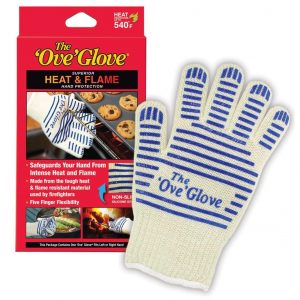
Never burn your hands again while cooking!

Enhance Your Festive Cooking
Cooking for the holidays should be an enjoyable experience. Let’s explore how you can make this season’s meals both safe and delicious.
Heat-Resistant Glove Benefits
Imagine pulling a hot roast from the oven with confidence. A heat-resistant glove gives you the grip you need to handle hot dishes without fear of burns. These gloves can withstand temperatures up to 500 degrees Fahrenheit, ensuring your hands are protected. This means no more juggling hot pans or risking burns.
A reliable glove also helps you focus on the fun part of cooking rather than worrying about safety. It’s more than just a tool; it’s your partner in the kitchen. When you use a glove, you add a layer of protection that gives you peace of mind. You can find top picks for safe handling in this guide.
Essential Holiday Cooking Tools
The right tools make all the difference. Besides gloves, consider adding heavy-duty spatulas and durable baking sheets to your kitchen arsenal. These can streamline your cooking process, making it more efficient.
Quality tools don’t just make cooking easier; they make it more enjoyable. When you have a well-equipped kitchen, you can tackle any dish with ease. You can find more about essential tools here.
Safe Cooking Tips for the Season
Safety in the kitchen is paramount, especially during the busy holiday season. Start by keeping your workspace organized to prevent accidents. This includes keeping sharp knives out of reach and ensuring cords are tucked away.
Remember, most kitchen accidents happen when you’re in a rush. Take your time and plan each step. Doing so not only keeps you safe but also makes the process more enjoyable. Check out some practical safety measures to take.
Organize a Stress-Free Cooking Experience
Now that you’re equipped with the right tools and tips, it’s time to create a cooking experience that’s as enjoyable as the meal itself.
Easy Holiday Meals with Confidence
Confidence in the kitchen starts with preparation. When you know your tools and ingredients, everything flows seamlessly. Plan your meals in advance, so you’re not scrambling at the last minute.
Preparation allows you to focus on the joy of cooking, rather than the stress. With a planned approach, you can enjoy the process and create meals that will delight your guests. Keep this mindset and watch your holiday meals come together effortlessly.
Cooking Organization Tips
Organization is key to a smooth cooking experience. Start by arranging your ingredients before you begin. This “mise en place” approach is used by chefs to streamline their process.
Next, label your storage containers and keep your pantry tidy. Knowing where everything is reduces stress and saves you time. Here’s the key insight: a little organization goes a long way in making holiday cooking a breeze.
Kitchen Safety Essentials
Safety is not just about avoiding burns. It’s about creating an environment where you can cook with peace of mind. Keep a first-aid kit and a fire extinguisher nearby. Ensure your smoke detector is functional.
A safe kitchen is a confident kitchen. When you’re prepared for any mishap, you can cook without worry. Remember, the longer you wait to implement safety measures, the higher the risk.
In conclusion, with the right preparation and tools, your holiday cooking can be a delightful experience. Embrace these tips and enjoy a festive season filled with delicious meals and joyful moments.
Never burn your hands again while cooking!
Best Oven Gloves for Grilling and Outdoor Cooking
Best Oven Gloves for Grilling and Outdoor Cooking Most oven gloves struggle with the heat and mess of outdoor cooking. You need gloves that stand up to flames, water, and rough handling without slowing you down. This guide breaks down the best oven gloves for grilling, showing you which pairs [...]
How to Safely Remove a Hot Pan From the Oven
How to Safely Remove a Hot Pan From the Oven Removing a hot pan from the oven can quickly turn from a simple task into a painful mistake. Many home cooks underestimate the risks, leading to burns or spills that disrupt dinner plans. This guide breaks down how to remove [...]
How Hot Can an Oven Mitt Safely Handle? Temperature Guide
How Hot Can an Oven Mitt Safely Handle? Temperature Guide Most people assume all oven mitts can handle the same heat. That’s far from the truth—and it can put your fingers at risk. Knowing about oven mitt heat resistance and kitchen mitt materials can change how you protect yourself while [...]
Best Oven Gloves for Thanksgiving Turkey and Roasting Pans
Best Oven Gloves for Thanksgiving Turkey and Roasting Pans Handling a Thanksgiving turkey and heavy roasting pans without the right gloves is a recipe for burned hands and dropped dishes. When your oven mitts can’t keep up, the stress of holiday cooking only grows. Let’s cut through the noise and [...]
Why Do Oven Mitts Get Hot? 7 Reasons Your Hands Feel Heat
Why Do Oven Mitts Get Hot? 7 Reasons Your Hands Feel Heat Oven mitts are supposed to protect your hands from heat, but sometimes they leave you feeling painfully warm. You’re not alone if you’ve wondered why even the best mitts can let heat slip through. This post breaks down [...]
Are Silicone Oven Mitts Better Than Fabric Oven Mitts?
Are Silicone Oven Mitts Better Than Fabric Oven Mitts? Most people grab fabric oven mitts without thinking twice, but silicone oven mitts have quietly taken over many kitchens. If you’ve ever struggled with a mitt that’s too flimsy or soaked through, you know the frustration. This oven mitt comparison breaks [...]


