
How Hot Can an Oven Mitt Safely Handle? Temperature Guide
Most people assume all oven mitts can handle the same heat. That’s far from the truth—and it can put your fingers at risk. Knowing about oven mitt heat resistance and kitchen mitt materials can change how you protect yourself while cooking. This guide breaks down heat resistance ratings and offers tips on choosing oven mitts that match your kitchen tasks. For more insights, check out this guide on high-temperature cooking materials.

Get FREE shipping on the Ove Glove today!
Understanding Heat Resistance
Cooking at high temperatures calls for reliable protection. Let’s explore what makes an oven mitt truly heat-resistant.
Oven Mitt Heat Resistance Explained
Can your oven mitt withstand 500 degrees Fahrenheit? Many can, but not all. Understanding oven mitt heat resistance starts with knowing their limits. Most are designed to handle specific temperature ranges. Common mitts can manage between 400 to 500 degrees Fahrenheit. Exceeding these temperatures risks burns.
High-quality mitts offer extra features like silicone grips or added insulation. These features provide better protection and grip. For hotter tasks, specialized mitts are available. These can handle up to 600 degrees Fahrenheit. Always check labels for these details. They ensure your safety when handling hot dishes.
Importance of Cooking Safety
Safety in the kitchen is non-negotiable. Protecting your hands goes beyond just using any mitt. Cooking safety includes using the right tools for the right tasks. Most accidents occur due to improper gear. Kitchen mitts that can’t handle your oven’s heat are a risk.
A mitt that fails can cause burns and injuries. Regularly inspect your mitts for wear and tear. Replace them if they show signs of damage. Consider the cooking method: baking, roasting, or grilling all have different heat exposures.
Exploring Kitchen Mitt Materials
Now that we know what heat resistance means, let’s delve into the materials that make up oven mitts. Understanding this can aid in making informed choices.
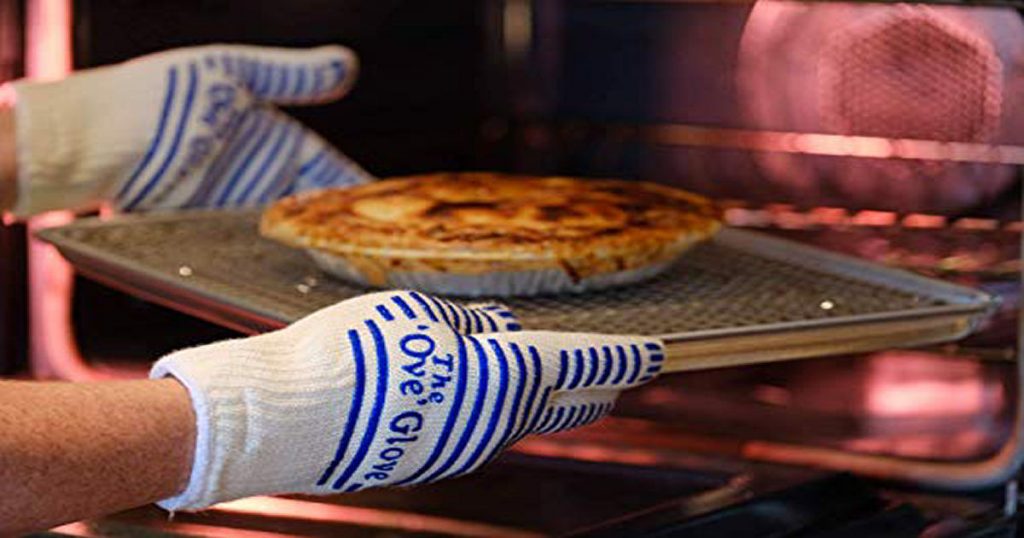
Keep your hands safe while cooking! Order today!
Commonly Used Materials
Oven mitts come in a variety of materials. Kitchen mitt materials play a major role in how much heat they can handle. Cotton mitts are popular for light baking. They are comfortable but less heat-resistant. Silicone mitts, however, offer more protection. They can withstand higher temperatures and are water-resistant.
Kevlar is another option, often used in professional settings. It’s flame-resistant and durable. Each material has its pros and cons, impacting your cooking safety. Choose based on your routine cooking needs for optimal protection.
Heat Resistance Ratings
Knowing heat resistance ratings helps in making the right choice. Cotton mitts are typically rated for lower temperatures. Silicone can handle up to 500 degrees, sometimes more. Some mitts include specialized linings for added heat protection.
When buying, look for these ratings on the packaging. They indicate how well a mitt can protect against heat. This ensures confidence when reaching into a hot oven. For more on safety, check these tips on preventing kitchen injuries.
Choosing the Right Oven Mitts
Armed with knowledge about materials and ratings, it’s time to choose the right oven mitts for your kitchen.
Tips for Selecting Mitts
Selecting the right oven mitt involves several considerations. First, think about the types of dishes you cook. If you frequently bake, a cotton mitt might suffice. For grilling, consider silicone or Kevlar for higher heat resistance.
Check for added features like non-slip grips and extended cuffs. These provide extra safety. Comfort is also key. A mitt that fits well ensures better handling. Don’t forget to check the mitt’s flexibility. A stiff mitt can be cumbersome, hindering your cooking flow.
Matching Mitts to Cooking Methods
Different cooking methods require different mitts. Baking needs less heat protection than grilling. Match your mitts to your cooking style for the best results. For instance, silicone mitts are ideal for roasting as they handle higher heat and provide a good grip.
Consider your kitchen tools too. If you use cast iron skillets, opt for mitts that handle higher temperatures. This approach guarantees safety and enhances your cooking efficiency. To safely handle hot pans, learn more about safe pan rotation.
Proper Oven Mitt Maintenance
Your mitts’ longevity and performance depend on how well you maintain them. Let’s ensure they last.
Care for Longevity
Proper care extends your mitts’ life. Wash them regularly to remove food residues. Follow the manufacturer’s instructions. For cotton, machine wash is generally safe. Silicone mitts can be wiped clean or placed in a dishwasher.
Inspect them frequently for wear and tear. Small holes or worn fabric reduce effectiveness. Replace them as needed. Proper storage is also crucial. Keep them away from open flames and sharp objects to avoid damage.
Ensuring Optimal Performance
To keep your mitts performing well, follow a few key practices. Store them in a dry, cool place. Moisture can degrade certain materials, especially cotton. Avoid using mitts for tasks they aren’t designed for. Using them as trivets or cleaning cloths can damage them.
Regular checks ensure that they are ready for use when needed. This not only prolongs their life but also keeps you safe. When removing food from the oven, read these safety tips.
Frequently Asked Questions
How much heat can a typical oven mitt withstand?
Most oven mitts are designed to handle between 400 to 500 degrees Fahrenheit. Specialized mitts can manage up to 600 degrees, providing more protection for high-temperature cooking.
What material is best for oven mitts?
Silicone is a top choice due to its high heat resistance and water resistance. Cotton is good for lower temperatures, while Kevlar offers durability for professional settings.
How often should I replace my oven mitts?
Inspect your mitts regularly for signs of wear, such as holes or thin spots. Replace them as soon as you notice any damage to ensure continued protection from heat.
Are silicone oven mitts better than cotton?
Silicone mitts offer better heat resistance and grip compared to cotton. They are ideal for high-heat cooking but may lack the comfort of cotton mitts for everyday use.
Can I wash my oven mitts in the washing machine?
Cotton mitts can typically be machine washed. Silicone mitts should be wiped clean or placed in the dishwasher, depending on the manufacturer’s instructions.


All major credit cards accepted
Free Shipping – Order – Track Order – Contact Us
Top Tips for Home Cooks to Prevent Burns
Mastering Broiler Safety: Top Tips for Home Cooks to Prevent Burns Broiling can turn a simple meal into a restaurant-worthy dish fast, but it comes with risks that many home cooks overlook. Burns happen more often than you think when using broiler settings without the right precautions. This guide shares [...]
Avoid Common Kitchen Injuries
Oven Safety Tips for Baking Enthusiasts: Avoid Common Kitchen Injuries Reaching into a hot oven can cause more than just a quick burn—it often leads to painful forearm injuries that many home bakers overlook. If you’ve ever felt that sting while pulling out a tray, you’re not alone. This guide [...]
Why Wet Towels Are a Burn Risk in Your Kitchen
Hot Pan Handling: Why Wet Towels Are a Burn Risk in Your Kitchen Using a wet towel to grab a hot pan might seem like a quick fix, but it actually raises the burn risk in your kitchen. Moisture speeds up heat transfer, turning that towel into a heat conductor [...]
Why Quality Kitchen Mitts Matter More Than Ever
From Thin Materials to Slipping Risks: Why Quality Kitchen Mitts Matter More Than Ever Cheap kitchen mitts often look harmless until thin materials and poor insulation put your hands at risk. When heat protection fails at high temperatures, slipping risks grow, turning a quick grab into a dangerous moment. If [...]
The Art of Using Cooling Racks in Baking
Cool and Carry: The Art of Using Cooling Racks in Baking Handling hot muffin tins and baking pans without the right precautions can turn your kitchen into a hazard zone. Too often, home bakers overlook simple baking safety tips that keep burns and spills at bay. Learning how to use [...]
Tips to Prevent Burns While Roasting Vegetables at High Heat
Mastering Oven Safety: Tips to Prevent Burns While Roasting Vegetables at High Heat Roasting vegetables high heat brings out bold flavors, but it also pushes your kitchen safety to the edge. You might think turning up the oven only makes your veggies tastier, yet it can lead to unexpected burn [...]


