
How to Safely Remove Heavy Roasting Pans From Your Oven
Heavy roasting pans filled with a Thanksgiving feast can be awkward and risky to handle. Without a clear, clutter-free kitchen space and the right heat protection gloves, you might end up struggling or worse, getting hurt. Learning how to safely remove roasting pans with a firm two-handed grip makes all the difference. This guide will walk you through simple steps to keep your kitchen safe while you serve your holiday meal. For more tips on handling hot cookware, check out this guide on how to safely handle hot pots and pans.

Get FREE shipping on the Ove Glove today!
Understanding Heavy Roasting Pans
Thanksgiving brings the challenge of maneuvering heavy roasting pans. These tools are crucial for your feast, but their size can be tricky. Let’s explore why they’re a bit of a handful.
The Thanksgiving Challenge
You know that Thanksgiving dinner often means cooking a big roast. This requires a heavy pan, which can be cumbersome. The weight is not the only challenge; the pan’s awkward shape makes it even tougher to handle. It’s important to manage these pans correctly to avoid dropping your meal or causing injury. With some preparation, you can handle them safely and enjoy your holiday cooking.
Weight and Awkwardness Factors
The weight of a loaded roasting pan can surprise you. Some pans reach up to 20 pounds or more, depending on the size of your roast. This makes them hard to carry, especially when they’re hot. It’s not just the weight though. The pan’s large handles may stick out, making it difficult to grip without the right technique. Having a secure grip and knowing how to maneuver space is essential. Using proper methods ensures you can handle these pans without a hitch.
Preparing a Safe Workspace
Creating a safe space in your kitchen is key to smoothly handling roasting pans. Start by clearing areas where you’ll place hot items. Safety begins with organization.
Clearing the Clutter
To ensure safety, start by clearing your kitchen counters. A clutter-free kitchen makes a big difference. Remove unnecessary items and keep only what’s essential for your cooking. This gives you more space to safely place your hot, heavy roasting pan. An organized space reduces the risk of accidents. You can focus better on your cooking tasks without worrying about knocking things over.
Creating a Landing Zone
Having a designated landing zone for your hot pan is crucial. Choose a spot on your counter that is sturdy and easy to reach. Lay down heat-resistant pads or trivets to protect your surfaces. This area is where you will place your pan immediately after removing it from the oven. By planning ahead, you avoid last-minute scrambles and ensure a smooth transition from oven to counter.
Keep your hands safe while cooking! Order today!
Essential Hand Protection
Handling hot pans needs more than just strength. Proper hand protection is essential to prevent burns and ensure a firm grip. Let’s look at your options.
Choosing Heat Protection Gloves
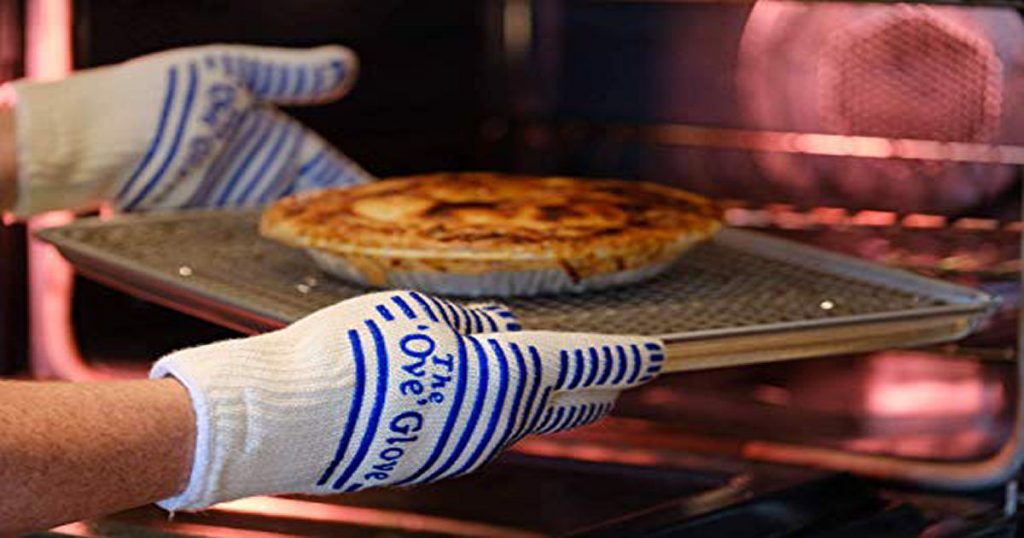
Selecting the right gloves is a priority when handling hot cookware. Look for heat protection gloves that offer both flexibility and heat resistance. Silicone oven mitts are a popular choice for many home cooks. They provide a good grip and can withstand high temperatures, keeping your hands safe from burns. For more details, check out this guide on choosing the best oven mitts for your kitchen.
Maintaining a Secure Two-Handed Grip
A secure grip is vital when lifting heavy pans. Use both hands to ensure stability. Grip the pan handles firmly with your gloved hands, keeping your arms close to your body for better control. This reduces the chance of dropping or tipping the pan. Practicing this grip helps you gain confidence in handling heavy cookware safely.
Step-by-Step Removal Process
Let’s walk through the steps of safely removing heavy roasting pans. By following these steps, you can ensure a safe cooking experience.
Safely Remove Roasting Pans
-
Position Yourself Properly: Stand directly in front of the oven with your feet shoulder-width apart for balance.
-
Open the Oven Door Completely: Make sure the door is fully open to avoid any obstruction.
-
Use Your Gloves: Put on your heat-protection gloves and double-check their fit.
-
Grip the Pan: Use a firm, two-handed grip on each side of the pan.
-
Lift Carefully: Lift the pan slowly, keeping it level to avoid spilling.
-
Place on the Landing Zone: Move the pan directly to your prepared landing zone, keeping it stable.
Navigating the Oven Space
Navigating the oven space can be tricky with a heavy pan. Make sure to clear any racks that aren’t needed. This gives more room to maneuver. When placing or retrieving pans, slide them carefully to prevent tipping. Use the edge of the oven for support as you guide the pan in and out. With practice, you’ll navigate this space with ease.
Tips for Kitchen Safety
Keeping safe in the kitchen goes beyond just handling pans. Here are additional tips to avoid accidents and make your cooking stress-free.
Avoid Kitchen Injuries
Injuries often happen due to distractions. Stay focused on the task at hand. Keep your kitchen well-lit to see what you’re doing. If you feel rushed, take a moment to breathe and regroup. Proper footwear can also prevent slips, especially on tiled floors.
Thanksgiving Cooking Tips
Thanksgiving cooking involves handling multiple tasks. Stay organized by preparing a cooking schedule. This ensures each dish gets the attention it needs. Keep towels and cleaning supplies handy for quick clean-ups. Lastly, involve family members to help with small tasks, creating a fun and safe cooking environment.
Frequently Asked Questions
How do I choose the right size of roasting pan?
Choose a roasting pan that fits your oven and allows an inch or two of space around it for air circulation. It should also comfortably hold the meat you plan to cook.
What should I do if I don’t have enough space on my counter?
If counter space is tight, consider using a sturdy table or a movable cart as a temporary landing zone for your hot pan.
How can I prevent burns while cooking?
Always use heat-resistant gloves and keep a safe distance from hot surfaces. Avoid loose clothing that could catch on handles or flame.
Why is it important to clear kitchen clutter?
A clutter-free kitchen reduces the risk of accidents. It provides a clear path for moving hot items safely and helps you maintain focus on cooking tasks.
Are silicone oven mitts better than traditional ones?
Silicone oven mitts often offer better heat resistance and grip than traditional fabric mitts. They are also easier to clean and maintain.


All major credit cards accepted
Free Shipping – Order – Track Order – Contact Us
The Ultimate Guide on How to Handle Hot Grill Grates Safely
The Ultimate Guide on How to Handle Hot Grill Grates Safely Handling hot grill grates without the right precautions can lead to painful burns that ruin your cookout. Many grillers underestimate how quickly grates heat up and how dangerous they become when adjusted carelessly. In this guide, you’ll learn how [...]
Your Guide to Safe and Delicious Results at 450 Degrees
Mastering Bread Baking: Your Guide to Safe and Delicious Results at 450 Degrees Baking bread at 450 degrees brings out the perfect crust and crumb, but it also demands careful attention to safety. If you’ve ever burned yourself or worried about handling hot trays without the right tools, you’re not [...]
Understanding the Difference Between Heat Resistant and Flame Resistant Materials
Understanding the Difference Between Heat Resistant and Flame Resistant Materials Heat resistant materials and flame resistant materials often get mixed up, but using the wrong one can cost you safety or durability. If you’re handling high temperature materials in kitchens or industrial settings, knowing the difference between heat and flame [...]
Protecting Yourself from Burns and Injuries
The Ultimate Guide to Kitchen Safety: Protecting Yourself from Burns and Injuries Removing hot cast iron from the oven is one of the trickiest parts of cooking, and without the right care, burns happen fast. You probably already know the pain of fumbling with oven gloves that don’t offer enough [...]
Choosing the Right Hand Protection for Your Baking Needs
Baking Gloves 101: Choosing the Right Hand Protection for Your Baking Needs Most home kitchens settle for basic oven gloves that barely cover the essentials. Professional bakers, though, choose hand protection designed to handle intense heat and constant use without slipping or burning. If you want to raise your kitchen [...]
Keeping Kids Safe While You Cook
Childproofing Your Kitchen: Keeping Kids Safe While You Cook Many new homeowners underestimate how tricky kitchen safety can be, especially with little ones around. A moment’s distraction can turn a simple cooking task into a hazard. These kitchen safety tips cover everything from fire safety in kitchens to childproofing kitchen [...]

Leave A Comment
You must be logged in to post a comment.