Kitchen Safety: How to Prevent Burns When Cooking
Burns in the kitchen happen faster than you think, turning a fun cooking session into a painful memory. If you’ve ever worried about touching a hot pan or spilled boiling water, you’re not alone. This post shares straightforward kitchen safety steps to prevent burns, from choosing the right heat-resistant gloves to spotting common cooking hazards. Keep reading to learn how simple habits can keep your kitchen safer for you and your family.

Get FREE shipping on the Ove Glove today!
Organizing Your Workspace
A well-organized kitchen reduces burn risks. Let’s start with the basics.
Importance of a Clean Kitchen
A clean kitchen isn’t just nice to look at; it prevents accidents. When surfaces are clear, you can move swiftly and safely. Spills and clutter can lead to slips and falls, which might result in burns. Wiping down counters and removing obstacles not only helps maintain order but also keeps you safe.
Cleaning as you go is an effective strategy. It keeps your workspace tidy without overwhelming you at the end of your session. Plus, a clean kitchen gives you peace of mind, allowing you to focus on cooking safely.
Keeping Cooking Tools Accessible
Having tools within reach is crucial for cooking safely. If your tools are scattered, you might rush, increasing the risk of burns. Organize your kitchen so that essentials are easy to grab.
Consider a pegboard for hanging utensils or a drawer for frequently used items. When you know where everything is, you can focus on cooking, not searching. This simple step can make your kitchen much safer and more efficient.
Using the Right Tools
Selecting the right tools can be a game-changer in kitchen safety. Let’s explore how.
Benefits of Heat-Resistant Gloves
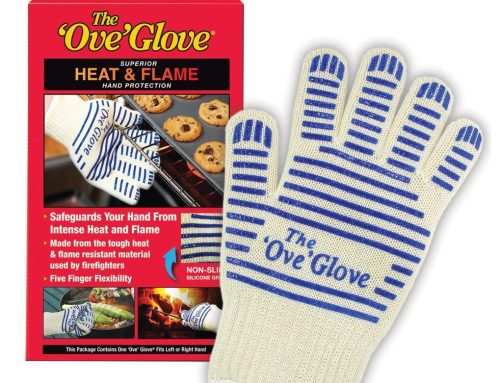
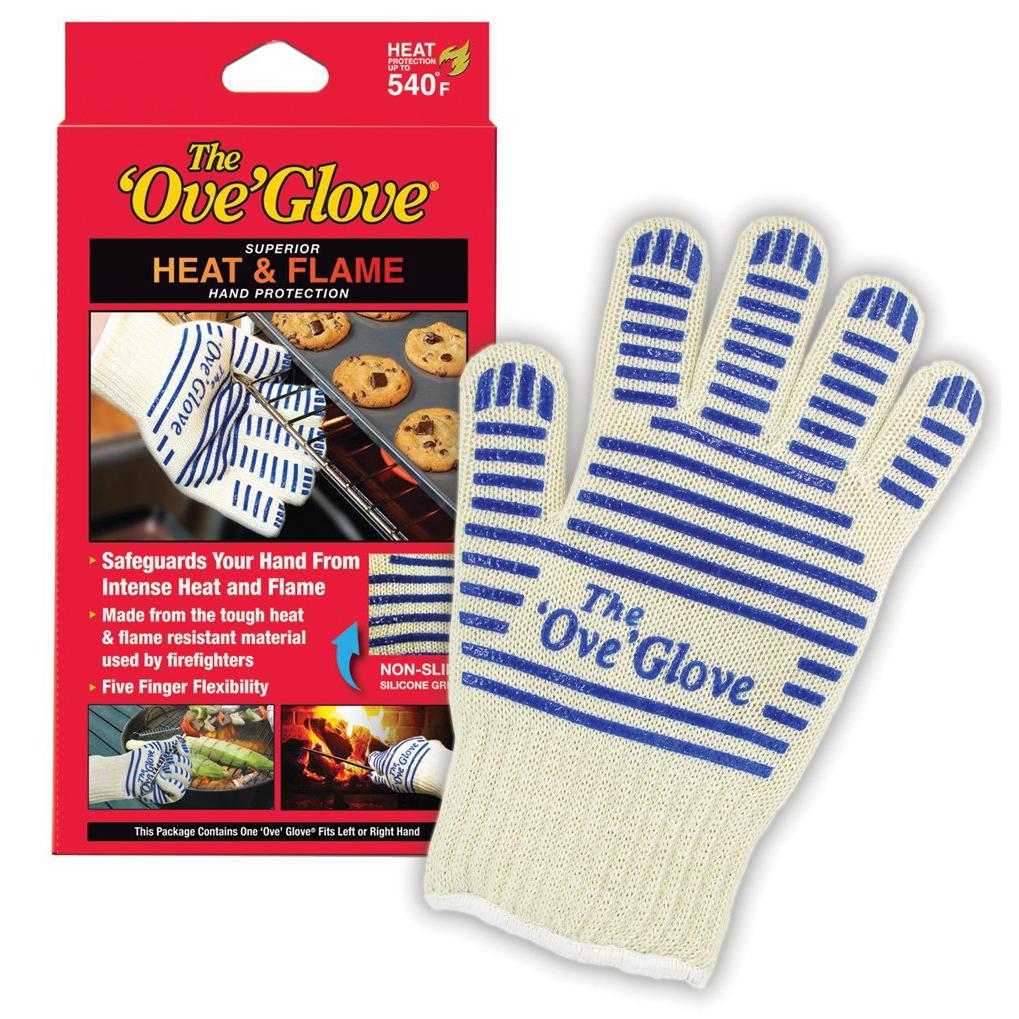
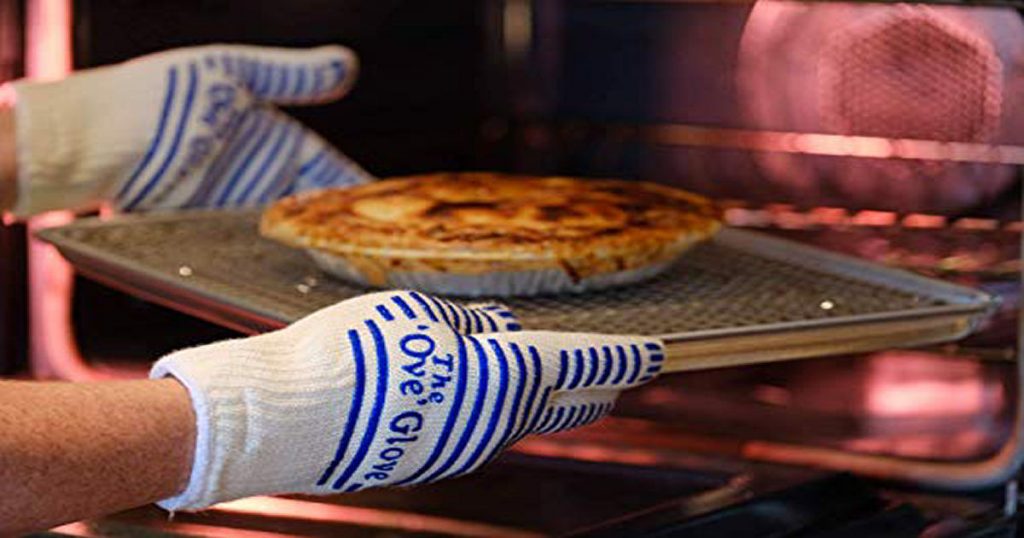
One of the best ways to protect yourself is by using heat-resistant gloves. These gloves shield your hands from high temperatures, helping you avoid burns. They’re especially useful when handling hot dishes or reaching into the oven.
Choose gloves that fit well and allow flexibility. Properly fitted gloves provide better grip and control, reducing the chance of accidents. With the right gloves, you can handle hot items confidently and safely.
Choosing Reliable Pot Holders
Pot holders are another essential tool for burn prevention. The right pot holder can protect your hands from hot handles and pots. Look for ones made from thick, durable materials that provide ample insulation.
Keep pot holders within easy reach. When you need to grab something hot quickly, having a pot holder nearby prevents frantic searches that can lead to burns. Investing in quality pot holders is a small step with significant safety benefits.
Keep your hands safe while cooking! Order today!
Being Mindful Around Heat
Awareness of your surroundings is key to staying safe in the kitchen. Let’s dive in.
Safe Movements Near Hot Surfaces
When you’re near hot surfaces, every movement counts. A simple bump can cause a spill or a burn. Move carefully and deliberately around your kitchen, especially when handling hot items.
Keep your focus on what you’re doing. Distractions can lead to accidents, so try to minimize them while you cook. Safe, intentional movements help you avoid burns and keep your kitchen a safer place.
Recognizing Cooking Hazards
Recognizing hazards before they cause harm is crucial. Look for potential dangers like dangling cords or unsteady pots. Addressing these issues early can prevent accidents.
Regularly inspect your kitchen for anything that might pose a risk. This proactive approach not only keeps you safer but also builds good habits that last a lifetime. Knowing the hazards helps you stay one step ahead in maintaining kitchen safety.
Understanding Cooking Temperatures
Temperature awareness is vital for safe cooking. Here’s why it matters.
Importance of Temperature Awareness
Knowing the right cooking temperatures can prevent burns and ensure food safety. Too often, burns occur because we underestimate the heat or cooking time.
Use a thermometer to check food temperatures; this simple tool ensures dishes are cooked thoroughly without overexposure to heat. Understanding temperatures not only protects you but also improves your cooking results.
Handling Hot Items Safely
Handling hot items with care is crucial. Always use appropriate tools like mitts or tongs when dealing with hot pans or dishes.
Let hot items cool slightly before moving them. This reduces the chance of burns and gives you more control over the situation. Handling hot items safely is a simple practice that can prevent painful accidents.
Practical Kitchen Burn Prevention Tips
Let’s wrap up with some actionable tips for a safer kitchen environment.
Building Confidence in the Kitchen
Confidence in the kitchen comes from practice and knowledge. As you become more familiar with safety practices, you’ll cook with greater assurance.
Start with small changes, like organizing your workspace or learning the optimal cooking temperatures. Each step you take towards safety builds your confidence, allowing you to enjoy cooking without fear.
Creating a Safe Environment for All
A safe kitchen benefits everyone, from beginners to seasoned cooks. Encourage family members to follow safety guidelines, making it a shared responsibility.
Use visual reminders, like labels or charts, to reinforce safety practices. This creates a culture of safety in your home, where everyone can cook with peace of mind.
Frequently Asked Questions
How can I prevent burns in the kitchen?
Prevent burns by keeping your kitchen organized and using protective gear like heat-resistant gloves. Always be aware of hot surfaces and handle hot items with care.
Why is kitchen organization important for safety?
An organized kitchen reduces the risk of accidents. It ensures you have easy access to tools and prevents clutter-related hazards, promoting a safer cooking environment.
What are the best tools to prevent kitchen burns?
Heat-resistant gloves and reliable pot holders are key tools for preventing burns. These items protect your hands from hot surfaces and are crucial for safe cooking practices.
How does temperature awareness help in the kitchen?
Understanding cooking temperatures ensures food is cooked safely, preventing burns and ensuring delicious results. Using a thermometer can help you keep track of the right temperatures.
How can I create a safe cooking environment for kids?
To keep kids safe in the kitchen, educate them on basic safety rules and supervise them while they cook. Encourage them to use tools properly and be mindful of hot surfaces.


All major credit cards accepted
Free Shipping – Order – Track Order – Contact Us
Protect Your Hands with an Oven Glove
Oven Safety Tips: Protect Your Hands with an Oven Glove Most bakers underestimate how hot a baking sheet actually gets inside a conventional oven. This hidden heat can change how your food cooks and even affect your timing. Understanding baking sheet temperature and heat conduction helps you adjust your baking [...]
From Fire Extinguishers to Oven Mitts
Top Tools for Home Cooking Safety: From Fire Extinguishers to Oven Mitts Most kitchen accidents happen within seconds but last a lifetime. If you’ve ever worried about cuts, burns, or slips while cooking, you’re not alone. This guide covers the kitchen safety essentials every home cook needs—from fire extinguishers and [...]
How to Grill Perfectly Every Time
Grilling Safety Tips: How to Grill Perfectly Every Time Most backyard cooks make the same outdoor grilling mistakes without realizing it. Skipping preheating the grill or ignoring flare-ups can ruin your meal and create safety risks. This post breaks down those common grilling errors and shares grilling safety tips that [...]
The Ultimate Guide on How to Handle Hot Grill Grates Safely
The Ultimate Guide on How to Handle Hot Grill Grates Safely Handling hot grill grates without the right precautions can lead to painful burns that ruin your cookout. Many grillers underestimate how quickly grates heat up and how dangerous they become when adjusted carelessly. In this guide, you’ll learn how [...]
Your Guide to Safe and Delicious Results at 450 Degrees
Mastering Bread Baking: Your Guide to Safe and Delicious Results at 450 Degrees Baking bread at 450 degrees brings out the perfect crust and crumb, but it also demands careful attention to safety. If you’ve ever burned yourself or worried about handling hot trays without the right tools, you’re not [...]
Understanding the Difference Between Heat Resistant and Flame Resistant Materials
Understanding the Difference Between Heat Resistant and Flame Resistant Materials Heat resistant materials and flame resistant materials often get mixed up, but using the wrong one can cost you safety or durability. If you’re handling high temperature materials in kitchens or industrial settings, knowing the difference between heat and flame [...]