
Sustainable Cooking Hacks: Making the Most of Bacon Fat in Your Kitchen
Bacon isn’t just for breakfast anymore. If you’re tired of wasting leftover bacon fat or looking for creative uses for bacon beyond the usual frying pan, you’re in the right place. This guide shows you clever DIY bacon projects and surprising bacon-scented products that bring new life to your kitchen and craft space. Plus, you’ll find smart leftover bacon fat recipes that add bold flavor without adding waste. For more inspiration, explore this resource.
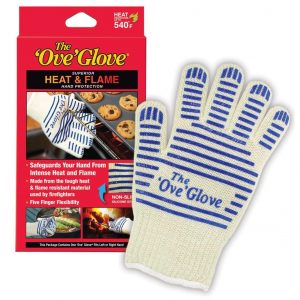
Never burn your hands again while cooking!

Creative Uses for Bacon Fat
Let’s dive into a world where bacon fat is the star beyond the frying pan. Uncover how you can craft and create with this flavorful ingredient, adding a unique touch to your home and lifestyle.
Bacon Crafts and Home Remedies
Have you ever thought about bacon fat as a crafting staple? It’s time to change your perspective.
-
Candles: Mix bacon fat with beeswax for a rustic candle that adds warmth and a subtle aroma to any room.
-
Lip Balm: Use it as a base for homemade lip balm, blending it with essential oils for a soothing effect.
A simple remedy for minor cuts involves using bacon fat as a protective layer. It keeps the skin moisturized and speeds up healing. Most people overlook these uses, but they can be handy additions to your home toolkit.
DIY Bacon Projects for Beginners
Starting with bacon fat projects is easier than you might think. Here’s a simple plan to get started.
-
Cooking Oil: Reuse it for cooking eggs or frying potatoes, giving dishes extra flavor. Check out these ways to use bacon grease.
-
Season Cast Iron Pans: Keep your pans in top shape with a layer of bacon fat after cleaning.
Did you know that bacon fat can even serve as a lubricant for squeaky hinges? It’s a quick fix that most people don’t consider, but it works wonders.
Bacon Fat in Cooking
We’ll now explore the culinary side of bacon fat, showing you how to elevate your cooking with simple yet tasty recipes.
Flavorful Leftover Bacon Fat Recipes
Bacon fat can transform ordinary recipes into extraordinary dishes. Here’s how:
-
Salad Dressings: Mix it with vinegar and herbs for a tangy dressing that pairs well with greens.
-
Popcorn: Drizzle over popcorn for a savory snack with a bacon twist. Find more ideas here.
Using bacon fat in these recipes not only enhances flavor but also reduces waste — a win-win for your kitchen.
Sustainable Cooking Tips and Tricks
Cooking sustainably is crucial, and bacon fat helps in surprising ways.
-
Reuse and Reduce: Store bacon fat in a jar to use over time, cutting down on waste.
-
Energy Efficient: Cook with bacon fat instead of butter or oil to save energy and resources.
The longer you wait to embrace these sustainable practices, the more resources you might waste. Get started today!
Bacon-Scented Products
Now, let’s explore the world of bacon-scented products — an aromatic adventure that brings the scent of bacon to unexpected places.
Innovative Bacon-Scented Ideas
Bacon isn’t just about taste; its scent can be delightful too.
-
Soap: Create soap with a bacon fragrance for a unique bathroom addition.
-
Air Fresheners: Use bacon-scented sachets to give your home that cozy, inviting smell.
These products are not only novel but also make fantastic conversation starters.
Incorporating Bacon Aromas in Your Home
Bring the comforting scent of bacon into your living space in simple ways.
-
Potpourri: Combine dried bacon bits with herbs for a DIY potpourri.
-
Scented Candles: Light a bacon-scented candle during gatherings for a warm atmosphere. Check out more ideas here.
The idea of bacon-scented air fresheners might sound unusual, but it’s a fun way to surprise guests and create a cozy environment.
In summary, bacon fat isn’t just a kitchen byproduct. Whether you’re crafting, cooking, or scenting your home, its uses are versatile and valuable. Enjoy exploring these creative avenues and delight in the unique touches they bring to your life.
Never burn your hands again while cooking!
How to Safely Remove a Hot Pan From the Oven
How to Safely Remove a Hot Pan From the Oven Removing a hot pan from the oven can quickly turn from a simple task into a painful mistake. Many home cooks underestimate the risks, leading to burns or spills that disrupt dinner plans. This guide breaks down how to remove [...]
How Hot Can an Oven Mitt Safely Handle? Temperature Guide
How Hot Can an Oven Mitt Safely Handle? Temperature Guide Most people assume all oven mitts can handle the same heat. That’s far from the truth—and it can put your fingers at risk. Knowing about oven mitt heat resistance and kitchen mitt materials can change how you protect yourself while [...]
Best Oven Gloves for Thanksgiving Turkey and Roasting Pans
Best Oven Gloves for Thanksgiving Turkey and Roasting Pans Handling a Thanksgiving turkey and heavy roasting pans without the right gloves is a recipe for burned hands and dropped dishes. When your oven mitts can’t keep up, the stress of holiday cooking only grows. Let’s cut through the noise and [...]
Why Do Oven Mitts Get Hot? 7 Reasons Your Hands Feel Heat
Why Do Oven Mitts Get Hot? 7 Reasons Your Hands Feel Heat Oven mitts are supposed to protect your hands from heat, but sometimes they leave you feeling painfully warm. You’re not alone if you’ve wondered why even the best mitts can let heat slip through. This post breaks down [...]
Are Silicone Oven Mitts Better Than Fabric Oven Mitts?
Are Silicone Oven Mitts Better Than Fabric Oven Mitts? Most people grab fabric oven mitts without thinking twice, but silicone oven mitts have quietly taken over many kitchens. If you’ve ever struggled with a mitt that’s too flimsy or soaked through, you know the frustration. This oven mitt comparison breaks [...]
Best Oven Gloves for People Who Hate Bulky Oven Mitts
Best Oven Gloves for People Who Hate Bulky Oven Mitts Bulky oven mitts can make handling hot cookware feel clumsy and awkward, turning simple kitchen tasks into a hassle. If you’ve been searching for oven gloves that offer protection without the bulk, you’re not alone. This guide breaks down the [...]


