
Inside the Heat: Mastering High-Temperature Cooking in Commercial Kitchens
High-temperature cooking in commercial kitchens isn’t just about turning up the heat—it’s a full-on battle against time, safety risks, and relentless kitchen heat. If you’ve ever wondered how kitchens keep food quality high without burning out staff or gear, you’re about to find out. This article breaks down essential restaurant cooking techniques and commercial kitchen safety measures that keep things running smoothly under extreme conditions. For more insights, check out these food safety practices from professional kitchens.

Get FREE shipping on the Ove Glove today!
Understanding High-Temperature Cooking
Peeling back the layers of high-temperature cooking reveals a fascinating world. It’s not just about turning the dial on the stove; it’s an art and a science. Let’s explore what makes it all tick.
The Science Behind the Heat
Cooking at high temperatures involves more than just intense heat; it’s a dance of molecules. When food hits the pan, complex reactions occur. The Maillard reaction, for instance, gives delicious browning to meat. This isn’t just about taste, though; it seals in juices, enhancing flavors.
Temperature matters: Each degree can change the outcome. Imagine cooking a steak. At 145°F, it’s medium-rare; at 160°F, it’s medium. Precision is key. Why does this matter to you? It ensures your dishes stand out. Consistency here builds trust with diners, knowing they get the same delicious experience every time.
Essential Restaurant Cooking Techniques
In busy kitchens, techniques are honed to perfection. Searing, braising, and stir-frying are staples. These methods not only enhance flavor but also speed up cooking time, crucial in a fast-paced environment.
-
Searing locks in moisture.
-
Braising breaks down tough fibers.
-
Stir-frying cooks quickly, preserving nutrients.
Each technique requires skill and timing. You might think it’s just about heat, but the right technique transforms good dishes into unforgettable ones. For more details on cooking techniques and their impact, visit this link.
High-Temperature Equipment Overview
In commercial kitchens, equipment is your best ally. From convection ovens to industrial stoves, each piece is designed for a purpose. These tools must withstand extreme conditions, ensuring they deliver reliable results every time.
-
Convection ovens: Even cooking
-
Industrial stoves: Quick heat
-
Grills: Perfect for searing
Knowing your equipment means you can optimize its use, saving you time and effort. Remember, the right gear not only enhances your dishes but also increases efficiency, a crucial factor in a bustling kitchen.
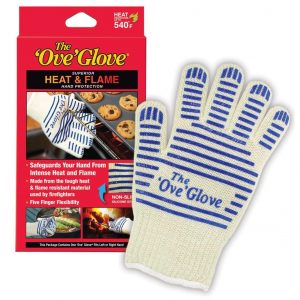
Protect your hands while cooking with the Ove Glove
Commercial Kitchen Safety Essentials
Safety in high-temperature environments isn’t optional; it’s a necessity. Ensuring your team is well-protected keeps operations running smoothly. Let’s dig into the essentials.
Protective Gear: Ove Glove and Beyond
The right gear shields you from heat and accidents. Enter the Ove Glove, a top choice for chefs. Its heat resistance is unmatched, providing essential protection. But don’t stop there; aprons and non-slip shoes are also vital.
Why invest in gear? It prevents injuries, keeping your team safe and operational. Plus, it shows you care about their wellbeing, fostering a positive work environment. For more on protective gear, check out this helpful resource.
Key Food Safety Practices
Ensuring food safety is a top priority. It begins with proper handling and storage. Cross-contamination is a major risk, but it’s preventable with the right practices.
-
Separate raw and cooked foods.
-
Store at correct temperatures.
-
Clean surfaces regularly.
By following these practices, you protect your customers from foodborne illnesses. This not only keeps them safe but also maintains your establishment’s reputation. More on safe food handling can be found here.
Emergency Protocols in Hot Environments
Emergencies in the kitchen require quick thinking. From fires to burns, having a plan is essential. Training your team in emergency protocols ensures everyone knows their role.
-
Fire extinguishers: Know their locations
-
Burn care: First aid kits accessible
-
Evacuation plans: Regular drills
Being prepared means you can handle any situation swiftly, minimizing harm and disruption. It’s not just about responding to emergencies; it’s about preventing them before they occur.
Managing Heat in Fast-Paced Kitchens
Managing heat effectively in a bustling kitchen is an art. It’s about balancing speed with safety, ensuring delicious dishes are delivered without a hitch.
Kitchen Heat Management Strategies
Keeping cool under pressure isn’t just a metaphor; it’s a reality in kitchens. Employ ventilation systems and strategic layouts to minimize heat buildup.
-
Ventilation: Extracts excess heat
-
Layout: Separates hot zones from prep areas
These strategies ensure a more comfortable environment, boosting morale and productivity. Remember, a cooler kitchen is a happier kitchen.
Maintaining a Cool Head Under Pressure
Stress in the kitchen is common, but it doesn’t have to overwhelm you. Techniques like deep breathing and taking short breaks can work wonders.
-
Breathe: Reduces stress
-
Breaks: Refresh your focus
Staying calm boosts your team’s efficiency and keeps operations running smoothly. A relaxed chef is a more effective chef.
Teamwork in a High-Temperature Setting
Teamwork is vital in high-stress environments. Clear communication ensures everyone is on the same page, preventing mishaps.
-
Communicate: Share information promptly
-
Collaborate: Help each other out
By fostering teamwork, you create a supportive environment where everyone thrives. It’s about building a culture of cooperation and mutual success.
Training for High-Temperature Cooking
Training is your gateway to mastery. It equips your team with skills and knowledge, ensuring safety and excellence in every dish.
Skill Development for Culinary Professionals
Building skills is a continuous journey. Focus on techniques that enhance speed and precision. Workshops and classes keep your team at the top of their game.
-
Workshops: Hands-on learning
-
Classes: Expand knowledge
Investing in skill development ensures your team is ready to tackle any challenge with confidence and expertise.
Safety Workshops and Certifications
Safety is paramount. Workshops provide practical knowledge, while certifications validate proficiency. They show your commitment to maintaining a safe kitchen.
-
Certifications: Credibility boost
-
Workshops: Hands-on experience
These programs not only protect your team but also enhance your establishment’s reputation. It’s about prioritizing safety at every turn.
Continuous Learning and Improvement
The culinary world is always evolving. Embrace new techniques and technologies to stay ahead. Encourage your team to keep learning, fostering a culture of growth.
-
New techniques: Stay relevant
-
Innovation: Embrace change
Continuous improvement ensures your establishment remains competitive and your team stays motivated. It’s about embracing the future with open arms.
Inspiring a Safer Cooking Culture
Creating a culture of safety starts with leadership. It’s about setting the tone and leading by example. Let’s see how you can inspire your team.
Leadership in Kitchen Safety
Leaders set the standard for safety. By modeling best practices, you inspire your team to follow suit. It’s not just about rules; it’s about culture.
-
Lead by example: Practice what you preach
-
Encourage: Motivate your team
A strong leader fosters a strong team. By prioritizing safety, you build a resilient and committed workforce.
Encouraging Open Communication
Communication is the backbone of a safe kitchen. Encourage your team to speak up about concerns or ideas. It fosters trust and collaboration.
-
Listen: Value input from all levels
-
Engage: Create an open environment
Open communication not only improves safety but also strengthens team bonds. It’s about building a community where everyone feels heard.
Building a Safety-First Mindset
A safety-first mindset goes beyond protocols. It’s ingrained in your team’s everyday actions. Promote awareness and accountability at every level.
-
Awareness: Regular reminders
-
Accountability: Everyone’s responsibility
By prioritizing safety, you create an environment where excellence flourishes. It’s about making safety a natural part of your kitchen’s DNA.
In the fast-paced world of commercial kitchens, balancing high temperatures with safety is an art form. By mastering these elements, you ensure not only the success of your dishes but also the wellbeing of your team.


All major credit cards accepted
Free Shipping – Order – Track Order – Contact Us
How to Prevent Burns When Taking Food Out of the Oven
How to Prevent Burns When Taking Food Out of the Oven Burns in the kitchen happen more often than you think, especially when handling hot dishes straight from the oven. If you’ve ever flinched from a sudden steam burst or struggled with slippery mitts, you’re not alone. This post shares [...]
Can Oven Mitts Get Wet? Why Moisture Makes Heat Protection Worse
Can Oven Mitts Get Wet? Why Moisture Makes Heat Protection Worse Using wet oven mitts is more dangerous than most people realize. Moisture can sneak into the fabric and cut down its heat protection, putting your hands at risk. If you care about kitchen safety, understanding the moisture impact on [...]
Best Oven Gloves for Air Fryers
Best Oven Gloves for Air Fryers Handling hot air fryer baskets without the right gloves can turn meal prep into a risky task. Many oven gloves fall short when it comes to heat resistance, grip, or flexibility, making it harder to cook safely and comfortably. This guide highlights the best [...]
Best Oven Mitts for People With Small Hands and Large Hands
Best Oven Mitts for People With Small Hands and Large Hands Most oven mitts come in one size fits all, but that often means they fit no one well. If you have small hands, bulky mitts can feel clumsy and unsafe. Large hands? You might struggle to get a proper [...]
Are Oven Mitts or Gloves Better for Grip?
Are Oven Mitts or Gloves Better for Grip? Grabbing hot cookware without a solid grip can turn your kitchen into a danger zone. Oven mitts and gloves both promise protection, but which one really holds tight when it matters most? Let’s break down how texture, flexibility, and coverage affect oven [...]
Oven Mitt vs Oven Glove: What’s the Difference?
Oven Mitt vs Oven Glove: What's the Difference? Most home cooks treat oven mitts and oven gloves like the same thing. The truth is, each offers different levels of heat resistance, coverage, and control. Knowing these differences can keep you safer and more comfortable in the kitchen. Let’s break down [...]


