
The Real Deal on Silicone Heat Resistance: What Home Cooks and Chefs Need to Know
Silicone kitchen tools promise to handle heat like pros, but does their silicone heat resistance really hold up in your oven or on the stove? Many products claim to survive extreme temperatures, yet real kitchens tell a different story. We’ll break down bakeware heat tolerance based on the quality of silicone and share insights from professional chef silicone use. Read on to know exactly what to expect from your oven glove and silicone cookware before your next meal. Explore more about silicone kitchen tools.

Get FREE shipping on the Ove Glove today!
Understanding Silicone Heat Resistance
To truly understand the strength of silicone in the kitchen, we must dive deeper into its role and performance. This exploration sets the stage for evaluating your options.
Silicone Kitchen Tools Overview
Silicone tools are popular in many kitchens. They promise flexibility and durability. From spatulas to oven gloves, these items are designed to handle a variety of cooking tasks. But why are they favored? Silicone’s heat resistance makes it useful in both baking and cooking. This material can withstand temperatures ranging from -40°F to 500°F. This broad range ensures your tools won’t melt or warp in high heat situations.
Many cooks appreciate silicone for its non-stick properties. You can easily manage sticky ingredients without the usual hassles. Moreover, they are often easier to clean compared to metal or wood alternatives. Learn more about silicone’s benefits.
Common Misconceptions Debunked
Despite their advantages, some myths persist. One common belief is that all silicone products perform the same. This isn’t true. Just because a tool is made of silicone doesn’t mean it will withstand all kitchen conditions. Another misconception is that silicone will never degrade. Over time, even silicone can wear out or become less effective.
Additionally, some assume that silicone is always safe for food. While generally true, not all silicone is created equal. It’s essential to look for food-grade labels to ensure safety. By dispelling these myths, you can make more informed choices for your kitchen.
Factors Affecting Heat Tolerance
Several factors influence silicone’s heat tolerance. The first is the quality of the silicone used. High-quality silicone can handle extreme temperatures without issues. On the other hand, poor-quality silicone might not perform as expected.
Another factor is the silicone’s thickness. Thicker items often resist heat better than thinner ones. Finally, the manufacturing process plays a role. Properly crafted silicone tools are more likely to withstand the rigors of kitchen use. Understanding these factors helps you choose better tools for your cooking needs.
Quality Matters in Silicone Bakeware
Transitioning from tools to bakeware, the quality of silicone becomes even more critical. Here’s what to consider when selecting bakeware that meets your needs.
Composition and Manufacturing
The composition of silicone bakeware impacts its performance. High-quality bakeware often combines pure silicone with other materials for added strength. This combination ensures that your bakeware maintains its shape and integrity under heat.
Moreover, manufacturing plays a significant role. Well-made bakeware involves precise blending and molding processes. These processes result in a product that is both durable and reliable. Discover how manufacturing affects silicone quality.
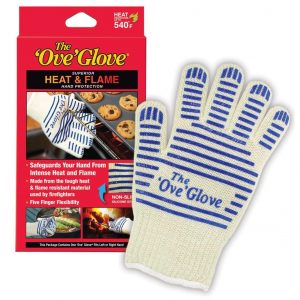
Protect your hands while cooking with the Ove Glove
Evaluating Bakeware Heat Tolerance
When evaluating silicone bakeware, consider its heat tolerance. Look for bakeware that can handle temperatures up to 500°F. This capacity ensures you can use it for a wide range of recipes without worry.
Check reviews and ratings from other users. Real-life feedback often provides insights into how well a product performs. Lastly, consider the bakeware’s design. Well-designed products allow for even heat distribution, enhancing your baking results.
Choosing High-Quality Silicone
Choosing the right silicone bakeware starts with understanding labels. Look for products labeled as food-grade and BPA-free. These labels signify a high level of safety and quality.
Consider the brand’s reputation. Established brands often guarantee better performance and durability. In addition, examine the bakeware’s thickness and flexibility. Thicker, yet flexible, items tend to last longer and perform better. Making informed choices ensures you get the most out of your silicone bakeware.
Real-Life Performance in Kitchens
Now, let’s see how silicone performs in everyday kitchen settings. Insights from professionals and home cooks reveal what works best.
Professional Chef Silicone Insights
Professional chefs rely heavily on silicone tools. Their insights offer valuable perspectives. Many chefs appreciate silicone for its non-stick properties and versatility. The ability to withstand high temperatures allows them to cook confidently.
Chefs often choose silicone due to its ease of cleaning. In a busy kitchen, quick and easy cleaning is essential. Their experiences highlight the practical benefits of silicone in professional settings. Explore professional insights on silicone.
Home Cooks’ Experiences
Home cooks also have varied experiences with silicone. Many enjoy the convenience of non-stick surfaces. However, some discover that certain tools don’t hold up as expected. This discrepancy often results from differences in product quality.
User reviews and personal anecdotes reveal that the right silicone tools can enhance your cooking. They appreciate the ease of use and clean-up, leading to a more enjoyable kitchen experience.
Kitchen Tool Performance Analysis
To analyze kitchen tool performance, consider both quality and user feedback. High-quality silicone products consistently perform well in various cooking scenarios. Tools like spatulas and oven gloves showcase significant heat resistance.
However, not all products meet expectations. Some tools might falter under extreme conditions. This inconsistency emphasizes the importance of choosing reliable brands and checking reviews before purchasing.
Expert Reviews and Recommendations
Expert reviews can guide you to the best silicone products. These insights ensure you make choices that align with your cooking needs.
Silicone Cookware Reviews
Reading silicone cookware reviews offers firsthand accounts of product performance. Look for patterns in feedback. Consistently positive reviews often indicate reliable products.
Consider both professional and user reviews. This combination provides a well-rounded view of a product’s capabilities. Reviews help determine if a product can withstand the demands of your kitchen.
Essential Ove Glove and Oven Glove Tips
When using oven gloves, ensure they fit well and offer sufficient protection. Silicone gloves should provide a secure grip to prevent accidents.
Moreover, check for heat resistance ratings. These ratings indicate how well the gloves handle high temperatures. Following these tips ensures you choose oven gloves that protect your hands during cooking.
Trusted Brands and Products
Choosing trusted brands ensures you get quality silicone products. Established brands often invest in research and development to improve their offerings. Their dedication results in products that perform well under various cooking conditions.
Explore product lines from well-known brands. These companies often provide warranties and customer support, enhancing your purchase experience. Opting for trusted brands guarantees satisfaction with your silicone kitchen tools.
Conclusion: What You Need to Know
In wrapping up, understanding silicone’s role in the kitchen is crucial for making informed choices. Here’s what you need to keep in mind moving forward.
Key Takeaways on Heat Resistance Silicone
Silicone’s heat resistance makes it a valuable kitchen tool. However, not all products are equal. High-quality silicone offers better performance and durability. Always look for labels indicating food safety and temperature limits.
Making Informed Purchases
When purchasing silicone tools, prioritize quality over price. Check reviews and consider the brand’s reputation. These factors ensure you select products that meet your expectations and enhance your cooking experience.
Future of Silicone in Kitchens
Silicone continues to evolve in the kitchen. Innovations in composition and design promise even better tools. As these advancements occur, expect more efficient and reliable products. Staying updated on trends ensures you benefit from the latest silicone offerings.


All major credit cards accepted
Free Shipping – Order – Track Order – Contact Us
How to Safely Handle Hot Pots and Pans
How to Safely Handle Hot Pots and Pans Handling hot pots and pans without the right approach can lead to painful burns and kitchen accidents. If you’ve ever felt unsure about how to handle hot cookware or worried about slipping while carrying a heavy pot, you’re not alone. This post [...]
Are Silicone Oven Mitts Better Than Traditional Oven Mitts?
Are Silicone Oven Mitts Better Than Traditional Oven Mitts? Most home cooks stick with traditional oven mitts because that’s what they know. But silicone oven mitts offer a very different feel and function. In this oven mitt comparison, you’ll see how heat resistance, grip, flexibility, and cleaning stack up between [...]
How to Choose the Best Oven Mitt for Your Kitchen
How to Choose the Best Oven Mitt for Your Kitchen Most oven mitts promise protection, but many fall short when it really counts. You’ve probably felt that quick burn or struggled with a mitt that’s too stiff or slips off your hand. Finding the best oven mitt means looking beyond [...]
How Hot Can Oven Mitts Get? Understanding Heat Resistance
How Hot Can Oven Mitts Get? Understanding Heat Resistance Most people assume all oven mitts handle the same heat, but that’s far from true. If you’ve ever felt a sudden burn despite wearing mitts, you know how risky it can get. This post breaks down oven mitt heat resistance, revealing [...]
10 Kitchen Safety Tips Every Home Cook Should Know
10 Kitchen Safety Tips Every Home Cook Should Know Most home cooks underestimate the risks lurking in their own kitchens until an accident happens. Cuts, burns, and fires can all be avoided with simple steps that protect you and your loved ones. This post shares 10 kitchen safety tips that [...]
Kitchen Safety: How to Prevent Burns When Cooking
Kitchen Safety: How to Prevent Burns When Cooking Burns in the kitchen happen faster than you think, turning a fun cooking session into a painful memory. If you’ve ever worried about touching a hot pan or spilled boiling water, you’re not alone. This post shares straightforward kitchen safety steps to [...]


