Mastering the Art of Gluten-Free Zucchini Bread
Most zucchini bread ends up dry or soggy, missing that perfect moistness you crave. You’ve tried recipes that fail to balance moisture and texture, leaving you frustrated. This zucchini bread recipe shows you how to get it just right, with tasty add-ins, gluten-free options, and smart storage tips that keep your bread fresh and flavorful every time. For more inspiration and detailed guidance, check out this gluten-free zucchini bread recipe.
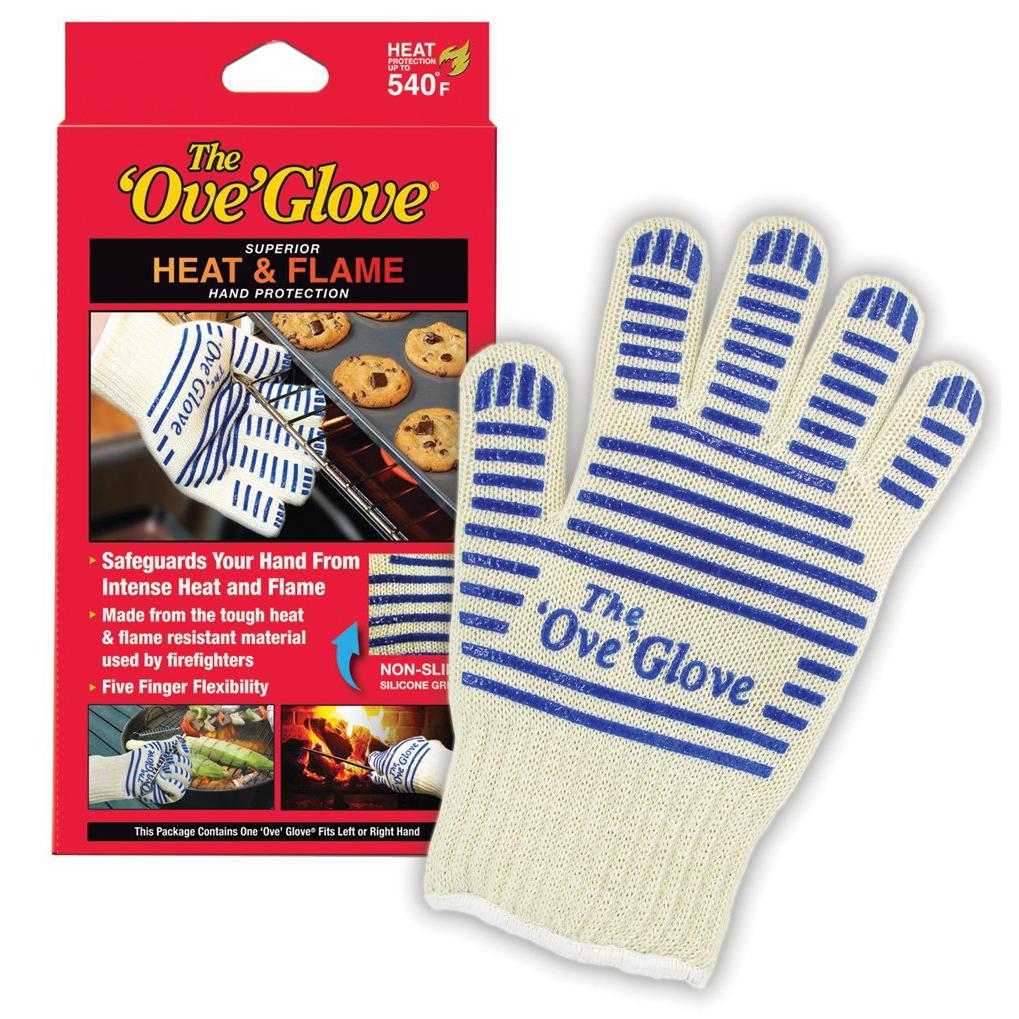
Never burn your hands again while cooking!

Perfecting Moist Zucchini Bread
Creating the perfect zucchini bread is an art. To begin, choosing the right zucchini is crucial. Let’s explore how to make your bread moist and flavorful.
Selecting the Right Zucchini
Freshness is Key: Start with fresh zucchini. Look for ones that are firm and medium-sized. Smaller zucchinis tend to be sweeter and less watery, making them ideal for baking.
-
Peeling: Leave the skin on for added color and nutrients.
-
Grating: Use a coarse grater to maintain texture.
To prevent watery bread, gently squeeze out excess moisture after grating. This simple step ensures your bread remains perfectly moist, not soggy. For more tips on selecting the right zucchini, visit this zucchini bread tips page.
Balancing Moisture and Flavor
Creating a harmonious blend of moisture and flavor in zucchini bread requires the right technique. Here’s how:
Oil or Applesauce: Use oil for a traditional moist crumb, or swap it with applesauce for a lighter option. Both work wonders in maintaining moisture.
Sweetness Balance: Adjust sugar levels based on your add-ins. Chocolate chips or ripe bananas can enhance sweetness naturally.
-
Spices: A teaspoon of cinnamon or nutmeg can elevate flavor without overpowering the zucchini.
Experiment with these elements until you find your perfect mix. Remember, the key is balancing the flavor without losing moisture.
Gluten-Free Zucchini Bread Options
For those seeking gluten-free options, it’s easier than you think to make delicious zucchini bread that everyone can enjoy. Let’s dive into the specifics of gluten-free baking.
Choosing Gluten-Free Flours
Selecting the right flour is crucial for gluten-free baking. The texture and taste of your bread depend on it.
Almond or Coconut Flour: These flours are popular choices. They add a rich flavor and moist texture.
-
Mix and Match: Combine different flours for better texture. A blend of almond and coconut flour offers a nice balance.
Remember, gluten-free flours can vary, so adjust liquids as needed. For a trusted recipe, check out this gluten-free zucchini bread guide.
Flavorful Gluten-Free Add-Ins
Add-ins bring your gluten-free zucchini bread to life. Here are some favorites:
Nuts and Seeds: Walnuts or sunflower seeds add crunch and depth.
-
Dried Fruits: Raisins or cranberries for a sweet, tart contrast.
Experiment with these add-ins to find your favorite combination. They provide an opportunity to customize your bread while keeping it deliciously moist.
Expert Storage and Freezing Tips
Keeping your zucchini bread fresh requires proper storage techniques. These methods ensure that each slice remains flavorful and moist.
How to Store Zucchini Bread
Storing zucchini bread correctly is key to maintaining its quality.
Air-Tight Containers: Store in an air-tight container to retain moisture.
-
Room Temperature: Bread stays fresh for up to three days outside the fridge.
If you plan to keep it longer, consider freezing.
Preventing Sogginess in Storage
Avoiding sogginess is essential for enjoying your bread later. Here’s how to store it effectively:
Wrap in Parchment Paper: Before sealing in a container, wrap slices individually in parchment paper.
-
Freezing: Freeze wrapped slices in a freezer bag. They last up to three months.
These tips ensure each slice tastes as fresh as the day it was baked. For further insights, explore this paleo zucchini bread recipe.
By following these steps, you’ll master the art of baking moist and flavorful zucchini bread. Whether you prefer classic or gluten-free, these tips guarantee delicious results every time.
Never burn your hands again while cooking!
How to Clean Oven Mitts and Keep Them Fresh
How to Clean Oven Mitts and Keep Them Fresh Oven mitts are some of the hardest-working tools in your kitchen, but they rarely get the attention they deserve. Over time, they pick up stains, odors, and grime that can make cooking less pleasant and less safe. Learning how to clean [...]
Best Oven Mitts for Pizza Ovens
Best Oven Mitts for Pizza Ovens Handling a pizza oven without the right gear can quickly lead to burns or dropped pies. When temperatures soar, your regular kitchen mitts won’t cut it—you need the best oven mitts designed specifically for pizza ovens. From extra-long heat resistant mitts to grips that [...]
How Often Should You Replace Your Oven Mitts?
How Often Should You Replace Your Oven Mitts? Oven mitts don’t last forever, but most people don’t know when to replace them. If your mitts show frayed fabric, strange smells, or feel less heat resistant, they might be putting you at risk. Knowing the signs of worn oven mitts and [...]
Heat Resistant Gloves: What Temperature Can They Handle?
Heat Resistant Gloves: What Temperature Can They Handle? Most heat resistant gloves claim to protect you from extreme temperatures, but can they really handle the heat you face every day? Choosing the wrong pair could leave you burned or limit your grip when you need control. This post breaks down [...]
How to Prevent Burns When Taking Food Out of the Oven
How to Prevent Burns When Taking Food Out of the Oven Burns in the kitchen happen more often than you think, especially when handling hot dishes straight from the oven. If you’ve ever flinched from a sudden steam burst or struggled with slippery mitts, you’re not alone. This post shares [...]
Can Oven Mitts Get Wet? Why Moisture Makes Heat Protection Worse
Can Oven Mitts Get Wet? Why Moisture Makes Heat Protection Worse Using wet oven mitts is more dangerous than most people realize. Moisture can sneak into the fabric and cut down its heat protection, putting your hands at risk. If you care about kitchen safety, understanding the moisture impact on [...]