
Mastering the Art of Gluten-Free Zucchini Bread
Most zucchini bread ends up dry or soggy, missing that perfect moistness you crave. You’ve tried recipes that fail to balance moisture and texture, leaving you frustrated. This zucchini bread recipe shows you how to get it just right, with tasty add-ins, gluten-free options, and smart storage tips that keep your bread fresh and flavorful every time. For more inspiration and detailed guidance, check out this gluten-free zucchini bread recipe.
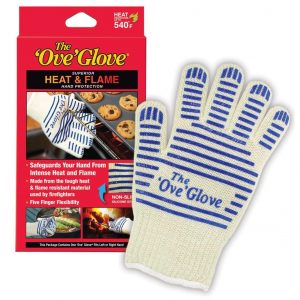
Never burn your hands again while cooking!

Perfecting Moist Zucchini Bread
Creating the perfect zucchini bread is an art. To begin, choosing the right zucchini is crucial. Let’s explore how to make your bread moist and flavorful.
Selecting the Right Zucchini
Freshness is Key: Start with fresh zucchini. Look for ones that are firm and medium-sized. Smaller zucchinis tend to be sweeter and less watery, making them ideal for baking.
-
Peeling: Leave the skin on for added color and nutrients.
-
Grating: Use a coarse grater to maintain texture.
To prevent watery bread, gently squeeze out excess moisture after grating. This simple step ensures your bread remains perfectly moist, not soggy. For more tips on selecting the right zucchini, visit this zucchini bread tips page.
Balancing Moisture and Flavor
Creating a harmonious blend of moisture and flavor in zucchini bread requires the right technique. Here’s how:
Oil or Applesauce: Use oil for a traditional moist crumb, or swap it with applesauce for a lighter option. Both work wonders in maintaining moisture.
Sweetness Balance: Adjust sugar levels based on your add-ins. Chocolate chips or ripe bananas can enhance sweetness naturally.
-
Spices: A teaspoon of cinnamon or nutmeg can elevate flavor without overpowering the zucchini.
Experiment with these elements until you find your perfect mix. Remember, the key is balancing the flavor without losing moisture.
Gluten-Free Zucchini Bread Options
For those seeking gluten-free options, it’s easier than you think to make delicious zucchini bread that everyone can enjoy. Let’s dive into the specifics of gluten-free baking.
Choosing Gluten-Free Flours
Selecting the right flour is crucial for gluten-free baking. The texture and taste of your bread depend on it.
Almond or Coconut Flour: These flours are popular choices. They add a rich flavor and moist texture.
-
Mix and Match: Combine different flours for better texture. A blend of almond and coconut flour offers a nice balance.
Remember, gluten-free flours can vary, so adjust liquids as needed. For a trusted recipe, check out this gluten-free zucchini bread guide.
Flavorful Gluten-Free Add-Ins
Add-ins bring your gluten-free zucchini bread to life. Here are some favorites:
Nuts and Seeds: Walnuts or sunflower seeds add crunch and depth.
-
Dried Fruits: Raisins or cranberries for a sweet, tart contrast.
Experiment with these add-ins to find your favorite combination. They provide an opportunity to customize your bread while keeping it deliciously moist.
Expert Storage and Freezing Tips
Keeping your zucchini bread fresh requires proper storage techniques. These methods ensure that each slice remains flavorful and moist.
How to Store Zucchini Bread
Storing zucchini bread correctly is key to maintaining its quality.
Air-Tight Containers: Store in an air-tight container to retain moisture.
-
Room Temperature: Bread stays fresh for up to three days outside the fridge.
If you plan to keep it longer, consider freezing.
Preventing Sogginess in Storage
Avoiding sogginess is essential for enjoying your bread later. Here’s how to store it effectively:
Wrap in Parchment Paper: Before sealing in a container, wrap slices individually in parchment paper.
-
Freezing: Freeze wrapped slices in a freezer bag. They last up to three months.
These tips ensure each slice tastes as fresh as the day it was baked. For further insights, explore this paleo zucchini bread recipe.
By following these steps, you’ll master the art of baking moist and flavorful zucchini bread. Whether you prefer classic or gluten-free, these tips guarantee delicious results every time.
Never burn your hands again while cooking!
Best Oven Gloves for Air Fryers
Best Oven Gloves for Air Fryers Handling hot air fryer baskets without the right gloves can turn meal prep into a risky task. Many oven gloves fall short when it comes to heat resistance, grip, or flexibility, making it harder to cook safely and comfortably. This guide highlights the best [...]
Best Oven Mitts for People With Small Hands and Large Hands
Best Oven Mitts for People With Small Hands and Large Hands Most oven mitts come in one size fits all, but that often means they fit no one well. If you have small hands, bulky mitts can feel clumsy and unsafe. Large hands? You might struggle to get a proper [...]
Are Oven Mitts or Gloves Better for Grip?
Are Oven Mitts or Gloves Better for Grip? Grabbing hot cookware without a solid grip can turn your kitchen into a danger zone. Oven mitts and gloves both promise protection, but which one really holds tight when it matters most? Let’s break down how texture, flexibility, and coverage affect oven [...]
Oven Mitt vs Oven Glove: What’s the Difference?
Oven Mitt vs Oven Glove: What's the Difference? Most home cooks treat oven mitts and oven gloves like the same thing. The truth is, each offers different levels of heat resistance, coverage, and control. Knowing these differences can keep you safer and more comfortable in the kitchen. Let’s break down [...]
Ove Glove Temperature Rating: How Much Heat Can It Handle?
Ove Glove Temperature Rating: How Much Heat Can It Handle? Most kitchen gloves claim to protect you from heat, but how much can the Ove Glove really handle? When you’re grabbing hot pans or pulling trays from the oven, knowing the exact temperature ratings of gloves matters. This post breaks [...]
Best Oven Gloves for Grilling and Outdoor Cooking
Best Oven Gloves for Grilling and Outdoor Cooking Most oven gloves struggle with the heat and mess of outdoor cooking. You need gloves that stand up to flames, water, and rough handling without slowing you down. This guide breaks down the best oven gloves for grilling, showing you which pairs [...]


