
Oven Safety Tips: Protect Your Hands with an Oven Glove
Most bakers underestimate how hot a baking sheet actually gets inside a conventional oven. This hidden heat can change how your food cooks and even affect your timing. Understanding baking sheet temperature and heat conduction helps you adjust your baking techniques with confidence. Plus, knowing when to use an oven glove keeps your hands safe while handling those scorching trays. Learn more about baking sheet temperatures here.

Order the Ove Glove today and get FREE shipping!
Understanding Baking Sheet Temperature
The heat of your baking sheet can affect your baking success. Getting a grip on heat conduction and different sheet materials is key.
Exploring Heat Conduction
Heat conduction might sound complex, but it’s quite simple. Metal baking sheets transfer oven heat to your food. The type of metal determines how fast or slow this happens. For example, aluminum heats up quickly and evenly, making it a favorite for many bakers.
On the other hand, stainless steel sheets heat up slower but retain heat longer. This means your cookies might cook differently based on the sheet used. Understanding these differences can help you choose the right sheet for your recipe. If you’re curious, this article dives deeper into how high you should set your oven temperature.
Differences in Baking Sheet Types
Baking sheets come in various forms, each affecting your baking differently. Common ones include aluminum, stainless steel, and non-stick. Each has its pros and cons.
Aluminum is lightweight and conducts heat well, perfect for even baking. Stainless steel is durable but can lead to uneven cooking if not managed. Non-stick sheets offer easy cleanup but may not brown your food as you like. The choice depends on your baking needs and preferences. Learn more about baking sheet placement from this source.
Impact of High Temperatures on Baking
High temperatures can alter your baking results significantly. Let’s look at how they affect your ingredients and cooking times.
Effects on Ingredients
Heat changes how ingredients react in the oven. Sugar caramelizes, proteins set, and dough rises based on temperature. For example, cookies spread more on a hot sheet, while cooler sheets may keep them thicker.
Understanding these effects can transform your baked goods from good to great. Pay attention to how ingredients behave, and you’ll master your favorite recipes in no time.
Influence on Cooking Times
Cooking times aren’t just about following the clock. They depend on sheet temperature, too. A hot sheet can cut down cooking time, risking overbaked treats if you’re not careful.
To manage this, always preheat your sheets with care. Monitor your bakes closely, especially if using a different type of sheet than usual. Want to know how long it takes a sheet to cool? Check out this Quora discussion.
Essential Oven Safety Practices
Safety is a must in the kitchen. Protect yourself with these simple practices, focusing on the importance of an oven glove.
Importance of an Oven Glove
An oven glove isn’t just a kitchen accessory; it’s a safety tool. Oven gloves protect your hands from burns when handling hot sheets. Without them, even a quick touch can lead to serious burns.
Choose gloves made of quality materials that offer heat resistance. The right glove keeps you safe and confident while baking. Most home bakers agree: oven gloves are a must-have in every kitchen.
Proper Handling Techniques
Handling hot sheets requires care. Always use two hands with a firm grip. Keep your face and arms away from steam as you open the oven door.
When placing or removing sheets, move slowly to avoid spills or burns. Practicing these techniques prevents accidents and keeps your baking experience enjoyable.
Adjusting Baking Techniques for Success
Mastering your baking techniques means adapting to temperature changes. Here’s how you can adjust your recipes and timing for the best results.
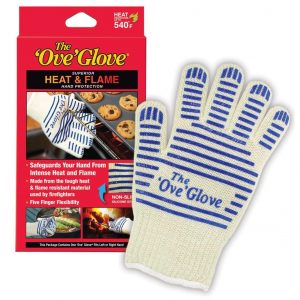
Protect your hands while cooking with the Ove Glove
Adapting Recipes for Temperature
Not all recipes are created equal. Some might need adjustments based on sheet temperature. If your cookies often come out too thin, try chilling your dough.
For bread, a slightly hotter sheet might give you a crispier crust. By tweaking recipes, you can achieve the desired texture and taste every time.
Timing Adjustments for Optimal Results
Timing is everything in baking. With different sheets or temperatures, you might need to adjust baking times. Set your timer for a few minutes less than the recipe suggests and check your food often.
This practice helps prevent overbaking and ensures perfect results. As you get familiar with your oven and sheets, you’ll develop a keen sense for timing.
Choosing the Right Oven Glove
Your choice of oven glove matters. Focus on materials and its comfort to find the best fit.
Materials and Durability
Not all gloves are created equal. Look for materials that can withstand high heat, like silicone or thick cotton. Durability is key, as you’ll be using them often.
With quality gloves, you won’t worry about them wearing out quickly. The right pair will last you through many baking adventures.
Comfort and Protection
Comfort is as important as protection. A glove should fit well and not be too bulky. This ensures a good grip and ease of movement.
When you find a glove that balances protection and comfort, your baking becomes a safer, more enjoyable process. Now, you’re ready to bake with confidence and safety in mind.


All major credit cards accepted
Free Shipping – Order – Track Order – Contact Us
Why Your Kitchen Needs Heat Resistant Pot Holders for Safety
Why Your Kitchen Needs Heat Resistant Pot Holders for Safety Thin pot holders might seem convenient, but they can put your hands at serious risk during high temperature cooking. Many thin designs use materials that barely block heat, setting the stage for burns and cooking accidents. Choosing heat resistant pot [...]
Keeping Kids Safe Around Hot Ovens
Essential Kitchen Safety: Keeping Kids Safe Around Hot Ovens Most parents know the kitchen can be a hazard zone for kids, but few realize just how risky hot ovens can be. Keeping kids safe in this space means more than just watching them closely—it requires clear rules and smart precautions. [...]
The Ultimate Choice for Safe Heat Protection
Silicone Kitchen Tools: The Ultimate Choice for Safe Heat Protection Handling hot pots and pans can turn your kitchen into a danger zone if you don’t have the right tools. Silicone kitchen tools have surged in popularity because they offer reliable heat protection without the hassle. Their ability to resist [...]
Essential Tips to Avoid Common Cooking Injuries
Stay Safe This Thanksgiving: Essential Tips to Avoid Common Cooking Injuries Thanksgiving cooking injuries spike every year, turning joyful meal prep into painful setbacks. You know the chaos: sharp knives flying, hot dishes everywhere, and crowded kitchen spaces that make slips and falls all too common. This guide shares key [...]
Effective Burn Treatment Every Cook Should Know
Kitchen Safety Tips: Effective Burn Treatment Every Cook Should Know Kitchen burns happen fast and can leave you unsure of what to do next. Knowing the right steps for burn first aid can prevent further damage and speed up healing. In this post, you’ll learn exactly how to cool a [...]
Protect Your Hands with an Oven Glove
Oven Safety Tips: Protect Your Hands with an Oven Glove Most bakers underestimate how hot a baking sheet actually gets inside a conventional oven. This hidden heat can change how your food cooks and even affect your timing. Understanding baking sheet temperature and heat conduction helps you adjust your baking [...]


