Cook Without Injury: Proven Kitchen Safety Tips for New Home Chefs
Most new home cooks underestimate how easy it is to get hurt in the kitchen. Cuts, burns, and slips happen more often than you might think—and they can turn a fun cooking session into a painful memory. This guide shares cooking safety tips that help you stay safe, from choosing the right kitchen tools for beginners to mastering heat awareness in cooking. Keep reading to learn how to cook without injury and build safe cooking practices from day one. For more insights, you can check out this guide.

Understanding Kitchen Safety
Starting your cooking journey can be thrilling, but safety should be a priority. Knowing the importance of these tips can make your kitchen a safer place.
Importance of Cooking Safety Tips
Safety in the kitchen isn’t just about avoiding pain; it’s about confidence. When you’re aware of potential dangers, you cook with peace of mind. For beginners, understanding basic safety measures prevents accidents like cuts or burns. Statistics show that 60% of kitchen accidents involve beginners who overlook simple precautions.
Want to cook without fear? Focus on safety practices and you’ll enjoy cooking more. You can find more detailed safety rules in this tidy list of rules.
Common Beginner Cooking Mistakes
Many new cooks rush through recipes without proper preparation. Skipping steps or using incorrect tools often leads to mishaps. For instance, using a dull knife increases the risk of slips. Another common error is ignoring instructions on how to handle hot pans or ovens.
Take your time and follow guidelines. This reduces accidents and enhances your cooking skills. Most people assume speed equates to skill, but patience is key. Check out insights from cookingforbeginners to avoid these pitfalls.
Learning Heat Awareness in Cooking
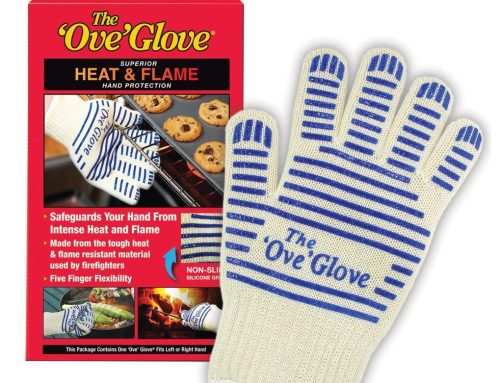
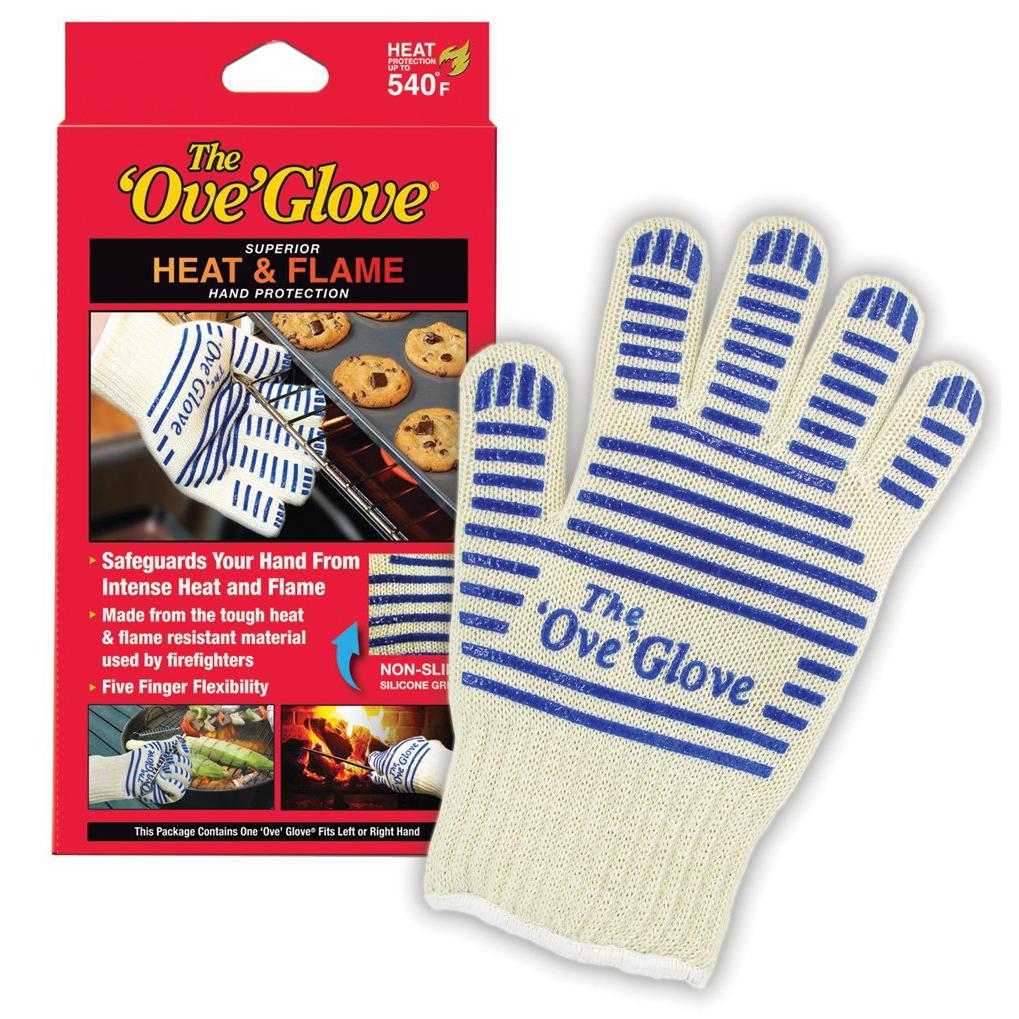
Heat awareness is crucial in maintaining a safe kitchen environment. Knowing how to control and respect heat can prevent burns. Always use oven mitts and test stovetop settings before placing pans.
A surprising fact: Over 50% of kitchen injuries are heat-related. So, getting familiar with your stove’s settings and practicing safe handling of hot items is essential. For young chefs, mastering this skill early on will build confidence. For additional tips on heat safety, explore Foodness Gracious.
Essential Kitchen Tools for Beginners
Equipping your kitchen with the right tools sets a strong foundation for safe cooking. The right gadgets make the process smoother and safer.
Must-Have Kitchen Gadgets
Starting with the right gadgets simplifies cooking. Essential tools include quality knives, measuring spoons, and a sturdy cutting board. A sharp knife is not only safer but also more effective. A recent study found that 90% of cooking success hinges on using the right tools.
Investing in these basics will help you tackle any recipe with ease. As you grow more confident, you can explore more advanced tools. Remember, a well-stocked kitchen is a safe kitchen.
Safe Use of Cutting Tools
Using cutting tools requires focus and care. Always cut away from your body and stabilize your cutting board to prevent slips. Practice makes perfect, so take your time to build your skills.
Many beginners think speed is vital, but precision is safer. Regularly sharpen your knives to ensure they cut effortlessly. A dull blade is more dangerous than a sharp one. For more safety tips, visit UNC’s kitchen safety tips.
Proper Maintenance of Kitchen Equipment
Maintaining your kitchen equipment is vital for safe cooking. Regular cleaning and inspections prevent malfunction. For example, clean your oven and stovetop to avoid unexpected fires.
By keeping your tools in top condition, you ensure they function well and last longer. Most accidents occur due to neglecting maintenance. Commit to regular checks and your kitchen will remain a safe space.
Safe Cooking Practices for New Chefs
With your tools and safety knowledge in hand, it’s time to implement practices that keep you safe.
Handling Hot Surfaces and Utensils
Handling hot surfaces requires mindfulness. Always use mitts and never leave pots unattended on the stove. These simple habits protect you from burns. Many assume quick touches are harmless, but even brief contact can cause injury.
Stay alert and use timers to remind you when to check your cooking. This habit ensures you remain in control and prevent accidents.
Preventing Cross-Contamination
Cross-contamination is a hidden danger in the kitchen. Always separate raw meats from other foods and use different cutting boards. It’s a simple step, but it makes a big difference in food safety.
Educating yourself on cross-contamination helps prevent foodborne illnesses. For more safety practices, check out this helpful UNC guide.
Food Storage and Safety Guidelines
Proper food storage prevents spoilage and keeps your kitchen safe. Always refrigerate perishables promptly and monitor expiration dates. A little diligence goes a long way in maintaining food safety.
Storing leftovers correctly is crucial. Use airtight containers and label them with dates. This practice reduces waste and ensures you’re eating safe, fresh food.
Avoiding Common Kitchen Injuries
With safe practices in place, let’s focus on preventing specific injuries common among new chefs.
Burns and Scalds Prevention
Preventing burns starts with awareness. Always test water temperature before submerging food, and use the back burners when possible. Keep flammable items away from stovetops.
Many think burns are inevitable, but with care, they are avoidable. Establish a habit of checking temperatures and securing pot handles.
Safe Handling of Sharp Instruments
Sharp instruments require respect. Store knives in a block or magnetic strip, not in drawers. This practice prevents accidental cuts when reaching for them.
Most injuries occur because people underestimate the danger of sharp tools. Handle them with care and always focus on the task at hand.
Emergency Procedures and First Aid
Accidents can happen despite precautions. Knowing basic first aid is crucial. Keep a stocked first-aid kit in your kitchen and familiarize yourself with its contents.
In case of an injury, stay calm and address the wound promptly. Quick action can prevent a small accident from becoming serious.
Cultivating a Safe Cooking Environment
The final step is creating a kitchen space that promotes ongoing safety.
Organizing Your Cooking Space
A clutter-free kitchen enhances safety. Store items within reach and keep paths clear. Organization not only boosts efficiency but also reduces accidents.
Many believe a busy kitchen is a productive one, but simplicity often leads to better results. Arrange your space to support a smooth workflow.
Establishing a Routine for Safety
Consistency is key in maintaining safety. Develop habits like washing hands regularly and cleaning as you go. These practices create a safe cooking environment.
Routines might seem tedious, but they are vital for safety. Over time, they become second nature, setting you up for success in the kitchen.
Continuous Learning and Practice
Never stop improving your skills. Watch tutorials or take classes to learn new techniques. This not only increases your confidence but also reinforces safety.
The longer you wait to hone your skills, the more you miss out on the joy of cooking. Keep growing and your kitchen will remain a safe, enjoyable place.

All major credit cards accepted
Free Shipping – Order – Track Order – Contact Us
Oven Mitt Buying Guide: How to Find the Right One
Oven Mitt Buying Guide: How to Find the Right One Most oven mitts on the market look alike until you’ve burned your hand or dropped a hot pan. Choosing the right one isn’t just about style—it’s about protecting your skin and gripping your cookware safely. This oven mitt buying guide [...]
Best Heat Resistant Gloves for Cooking
Best Heat Resistant Gloves for Cooking Burning your fingers while cooking is more common than you think, and the wrong gloves can make it worse. You need heat resistant gloves that actually protect without sacrificing comfort or grip. This guide breaks down the best cooking gloves so you can handle [...]
Oven Mitts vs Pot Holders: Which Is Safer?
Oven Mitts vs Pot Holders: Which Is Safer? Most home cooks trust their oven mitts or pot holders without a second thought. Yet, not all kitchen accessories offer the same level of burn protection and heat resistance. This post breaks down the safety features of oven mitts versus pot holders, [...]
Best Oven Gloves for Grilling and BBQ
Best Oven Gloves for Grilling and BBQ Most oven gloves fail when the heat gets intense, leaving you risking burns or fumbling with your grill tools. If you’ve ever wished your grilling gloves could offer real protection without sacrificing comfort or grip, you’re not alone. This guide breaks down the [...]
Oven Mitts vs Oven Gloves: What’s the Difference?
Oven Mitts vs Oven Gloves: What's the Difference? Most people grab whatever is handy when reaching for hot cookware, but oven mitts and oven gloves are not the same. Choosing the wrong one can cost you in safety and comfort. This cooking tools comparison breaks down how their designs, materials, [...]
How to Protect Your Hands From Burns While Cooking
How to Protect Your Hands From Burns While Cooking Burns in the kitchen happen more often than you think, and they can ruin your cooking time fast. Keeping your hands safe isn’t just about luck—it’s about using the right tools and knowing smart ways to handle hot cookware. In this [...]