
Pumpkin Pie Baking Tips: How to Safely Handle Hot Pie Pans
Handling hot pie pans can turn your pumpkin pie baking into a risky task if you’re not careful. Many home bakers struggle with getting a flaky crust and perfectly set filling while keeping their hands safe from burns. These Pumpkin Pie Baking Tips will walk you through pie crust preparation, baking temperatures, and how to confidently use oven mitts for safe handling of hot pans. Follow along to make your Thanksgiving recipes safer and more enjoyable this holiday season. For more information on safe handling, check out this guide on choosing the best oven mitt for your kitchen.

Get FREE shipping on the Ove Glove today!
Crafting the Perfect Pie Crust
Creating a pie crust that’s both flaky and flavorful is a true art. Let’s dive into the essentials of achieving this culinary feat.
Flaky and Flavorful Dough
The secret to a flaky pie crust lies in the butter. Make sure it’s cold before cutting it into the flour. This ensures that the crust will bake up with the perfect layers. Add cold water gradually until the dough just comes together. Avoid overmixing, which can lead to a tough crust.
Once your dough is ready, let it rest in the refrigerator. This helps relax the gluten, making it easier to roll out later. While chilling, you might try different flavorings like a dash of cinnamon or a hint of vanilla. These small additions can elevate the taste of your pumpkin pie.
Techniques for Even Rolling
Rolling out dough evenly can be challenging, but it’s crucial for a uniform bake. Start by flouring your surface lightly to prevent sticking. Use a rolling pin and roll the dough from the center outwards in gentle, even strokes. Rotate the dough occasionally to ensure it maintains a round shape.
If you notice any uneven edges, don’t worry. Simply trim them or patch up areas with extra dough. Remember, practice makes perfect. You’ll get better with each pie you make.
Troubleshooting Common Issues
Sometimes, despite your best efforts, things go awry. If your dough cracks, use a bit of cold water to mend it. If it’s too sticky, add a touch of flour. A dry dough? Add a splash more water. These quick fixes can save your crust before it goes into the oven.
If the edges start browning too quickly during baking, cover them with foil. This simple trick helps the entire pie bake evenly, ensuring both taste and appearance are top-notch.
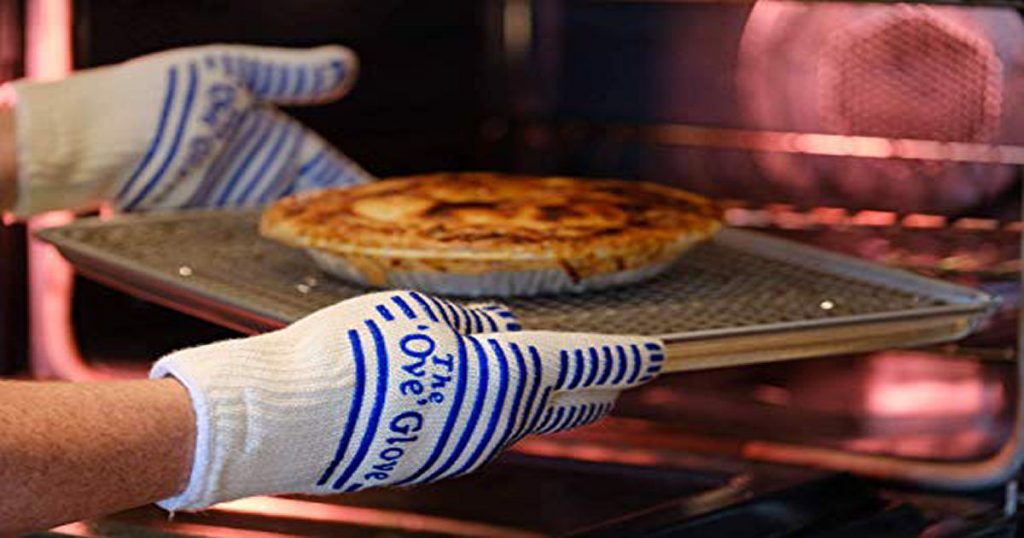
Keep your hands safe while cooking! Order today!
Optimal Baking Conditions
Now that your crust is ready, let’s focus on baking conditions to perfect the filling and crust.
Ideal Oven Temperatures
Setting the right oven temperature is crucial for a perfect bake. For pumpkin pie, preheat your oven to 375°F. This temperature helps the crust set quickly and prevents a soggy bottom. If you prefer a crisper finish, consider baking at 400°F for the first 15 minutes before lowering the temperature.
Monitoring your oven’s actual temperature with an oven thermometer can be invaluable. Many ovens run hotter or cooler than the dial suggests, so adjustments might be necessary.
Timing for Perfect Filling Set
Timing is everything when baking a pie. Check your pie after 45 minutes. The filling should be mostly set with a slight jiggle in the center. This ensures that it will firm up as it cools, without becoming dry or rubbery.
For a firmer filling, allow it to bake for an additional 5-10 minutes. Just keep an eye on the crust to prevent over-browning.
Adjustments for Different Ovens
Every oven is unique. If you’re using a convection oven, you might need to reduce the temperature by 25 degrees. This helps prevent overcooking the crust while allowing the filling to set properly.
For those with older ovens, you may notice uneven heating. Rotating the pie halfway through baking can help achieve an even finish. Consider using a baking stone to help stabilize temperature fluctuations.
Safe Handling of Hot Pans
With your pie perfectly baked, handling hot pans safely is crucial to prevent burns.
Importance of Heat-Resistant Gloves
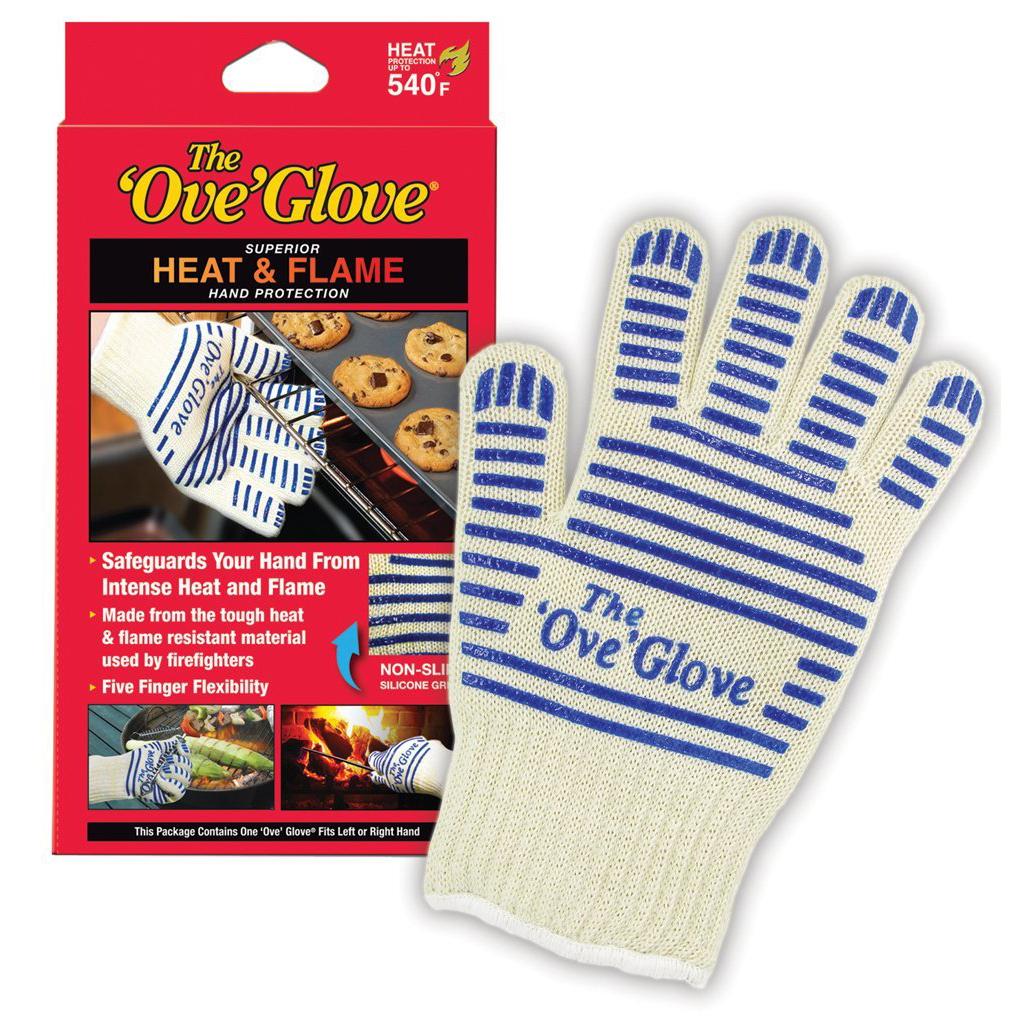
Heat-resistant gloves are a must-have for every baker. They provide better protection than traditional mitts, covering more of your arm and allowing for a stronger grip. This added security lets you focus on your pie, not the risk of burns. Learn more about how hot oven mitts can get and their heat resistance.
When choosing gloves, consider their heat resistance rating. This ensures they’ll withstand the temperatures you’re working with, providing peace of mind while you bake.
Choosing the Right Oven Mitts
Not all oven mitts are created equal. Look for those made from silicone or other heat-resistant materials. They offer superior protection compared to cloth mitts, which can wear down over time. Check out whether silicone oven mitts are better than traditional ones for more insights.
Select mitts that fit well and allow for dexterity. This ensures you can confidently handle hot pans without slipping or dropping them.
Transferring Hot Pans Safely
When transferring hot pie pans, always use both hands. This distributes the weight evenly and reduces the risk of spills. Keep a clear path from the oven to the cooling area to avoid accidents.
Consider using a sturdy baking sheet under the pie pan for extra stability. This simple precaution can make all the difference in safely moving your delicious creation.
Removing Pies from the Oven
Safely removing your pie from the oven is the final step to baking success. Here’s how to do it without a hitch.
Techniques to Prevent Burns
Always use both hands when removing a pie from the oven. This ensures better grip and control. Keep your face and body a safe distance from the oven door to avoid steam burns.
If your oven has a pull-out rack, take advantage of it. This allows you to lift the pie without reaching deep into the oven, minimizing exposure to heat.
Avoiding Spills and Messes
Spills are a common occurrence when handling pies. To avoid them, ensure your pie pan is level before moving it. Take slow, deliberate steps and hold the pie close to your body for better balance.
If you notice any filling bubbling over, place a baking sheet beneath the pie to catch drips. This keeps your oven clean and makes post-baking cleanup a breeze.
Tools for Safe Removal
Having the right tools on hand can make all the difference. Invest in a pair of high-quality oven mitts or gloves, a long-handled spatula for extra support, and a sturdy cooling rack.
A cooling rack facilitates air circulation around your pie, helping it cool evenly. It also keeps your countertop safe from heat damage.
Additional Baking Tips
As you continue your pumpkin pie endeavors, these extra tips will ensure every bake is a success.
Tips for Consistent Results
Consistency is key in baking. Stick to tried-and-true recipes and measurements. Using a kitchen scale for ingredients can improve accuracy, leading to better results.
If you’re experimenting with new additives or techniques, make note of your changes. This way, you can replicate successes or learn from less successful attempts.
Preparing for Thanksgiving Baking
Thanksgiving is a busy time in the kitchen. Plan ahead by preparing your dough in advance and storing it in the freezer. Having your ingredients pre-measured and ready can save time on the day of baking.
Consider making a practice pie a few weeks ahead. This gives you a chance to refine your process and perfect your pie before the big day.
Storing and Serving Your Pie
After baking, allow your pie to cool completely before storing. This prevents condensation that can make the crust soggy. Store it in the refrigerator, covered loosely with foil or plastic wrap.
When serving, use a sharp knife to cut clean slices. This ensures each piece maintains its shape, showcasing your beautiful creation. Serve with whipped cream for the perfect finish.
Frequently Asked Questions
What is the secret to a flaky pie crust?
The key lies in using cold butter and water, and handling the dough as little as possible. Keeping the butter cold helps create layers that result in a flaky texture.
How do I prevent my pumpkin pie filling from cracking?
Avoid overbaking and ensure the filling is set with a slight jiggle in the center. Cool the pie slowly, away from drafts, to prevent sudden temperature changes that can cause cracking.
What temperature should I bake my pumpkin pie at?
Most pumpkin pies bake well at 375°F. For a crisper crust, start at 400°F for the first 15 minutes, then reduce the temperature.
How do I avoid burning my hands when handling hot pie pans?
Use heat-resistant gloves or silicone oven mitts for the best protection. These materials offer superior heat resistance compared to traditional cloth mitts.
Can I prepare my pie dough in advance?
Yes, you can prepare pie dough ahead of time and store it in the freezer. This helps save time when you’re ready to bake.


All major credit cards accepted
Free Shipping – Order – Track Order – Contact Us
Black Friday Kitchen Deals: Useful Kitchen Accessories Worth Buying
Black Friday Kitchen Deals: Useful Kitchen Accessories Worth Buying Black Friday kitchen deals offer a rare chance to grab kitchen accessories that truly simplify your cooking routine. Finding tools that bring real value to daily meal prep can be tough, but this guide highlights options worth adding to your collection. [...]
How to Prepare Your Kitchen for a Stress-Free Thanksgiving Dinner
How to Prepare Your Kitchen for a Stress-Free Thanksgiving Dinner Thanksgiving dinner preparation often feels like a race against the clock, with cluttered counters and scattered utensils slowing you down. You want to focus on the joy of the holiday, not scrambling to find pots or ingredients at the last [...]
What to Bring to Thanksgiving Dinner: 15 Useful Host and Hostess Gifts
What to Bring to Thanksgiving Dinner: 15 Useful Host and Hostess Gifts Thanksgiving gifts often end up forgotten or unused, leaving your thoughtful gesture lost in the shuffle. You want something that feels personal and useful, not just another token. This list of 15 practical gifts for Thanksgiving will show [...]
Why the Ove Glove Belongs in Every Thanksgiving Kitchen
Why the Ove Glove Belongs in Every Thanksgiving Kitchen Thanksgiving cooking often means juggling hot dishes and tight spaces, making kitchen safety crucial. The Ove Glove stands apart with its flexible design and superior heat protection, letting you handle hot cookware without hassle. In this post, you’ll see why the [...]
Why Regular Kitchen Towels Aren’t the Best Choice for Handling Hot Pans
Why Regular Kitchen Towels Aren't the Best Choice for Handling Hot Pans Regular kitchen towels might seem like a quick fix when handling hot pans, but they often leave your hands vulnerable to burns. Damp towels and thin dishcloths lose their grip on heat, turning into risky, makeshift potholders. Switching [...]
How to Safely Handle Hot Pots and Pans
How to Safely Handle Hot Pots and Pans Handling hot pots and pans without the right approach can lead to painful burns and kitchen accidents. If you’ve ever felt unsure about how to handle hot cookware or worried about slipping while carrying a heavy pot, you’re not alone. This post [...]

Leave A Comment
You must be logged in to post a comment.