
Baking Tips from the Pros: Safely Handling 500-Degree Pizza Ovens
Handling a 500-degree pizza oven is no small task, especially when you’re passionate about homemade pizza and artisan baking. Most home cooks underestimate how tricky oven temperatures this high can be, risking burns or ruined pies. Knowing the right baking tips and using the proper oven glove can make all the difference between a kitchen mishap and perfect crusts every time. Let’s explore how to stay safe while mastering those fiery ovens. For more insights, visit this link.

Get FREE shipping on the Ove Glove today!
Understanding Pizza Oven Safety
Handling high temperatures in your kitchen requires attention and care. Dive into the importance of managing these intense conditions to prevent mishaps and to create delicious pies with ease.
Importance of Oven Temperatures
Managing oven temperatures is crucial for achieving the perfect bake. When you’re dealing with 500-degree heat, precision is your best friend. Cooking at such high temperatures ensures a crispy crust and a gooey center. But if you’re off by even a little, your masterpiece could end up burnt or undercooked.
Most pizza enthusiasts agree that the right heat level is key. It’s not just about setting the dial and walking away. You need to monitor and adjust as needed. Make sure to check your oven’s temperature regularly. Use an oven thermometer for accuracy, as built-in thermometers can sometimes be off.
Essential Baking Tips from Experts
Experts recommend a few tried-and-true tips for using high-temperature ovens. First, always preheat your oven fully. This might take longer than expected, but it’s worth it for an even bake. Second, rotate your pizza halfway through cooking. This ensures that all sides are cooked evenly, as hot spots can form in any oven.
Using proper tools is another crucial aspect of high-heat baking. Invest in a good pizza peel for easy transfer of your dough in and out of the oven. Remember to flour the peel well to prevent sticking. Lastly, experiment with different baking times to find what works best for your specific oven and dough. Patience and practice will lead you to perfection.
Essential Gear for Handling Heat
The right gear is a game-changer when it comes to handling high temperatures safely. Equip yourself with the necessary tools to simplify the baking process and protect yourself from burns.
Choosing the Right Ove Glove
Selecting the proper oven glove is essential to prevent accidents. Look for gloves designed to handle high temperatures with ease. They should offer a snug fit without sacrificing flexibility, allowing you to move freely while protecting your hands.
Materials matter too. Silicone gloves are popular due to their heat resistance and grip. They are easy to clean and provide a strong hold on slippery surfaces. Cotton gloves with a heat-resistant coating are another good option. They offer comfort and protection, especially for longer baking sessions.
Investing in Reliable Oven Gloves
Investing in quality oven gloves pays off in the long run. A reliable glove can last for years and save you from painful burns. It’s worth spending a little extra on a pair that’s been highly rated by other bakers. Reddit users often share their favorite brands, offering a wealth of information on durability and performance.
When choosing, consider your baking style. If you’re frequently handling large trays or multiple pizzas, opt for gloves with extended cuffs for extra protection. They will keep your wrists safe from unexpected heat exposure.
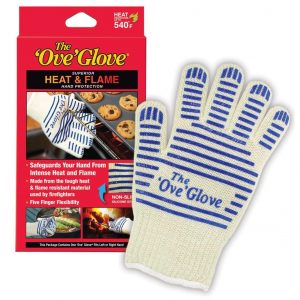
Protect your hands while cooking with the Ove Glove
Mastering Homemade Pizza Techniques
Perfecting homemade pizza goes beyond the recipe. Mastering the art of temperature and technique elevates your baking to a professional level. Here’s how you can achieve that flawless pie.
Perfect Crust with Proper Heat
Creating the ideal crust is all about balance. The combination of heat and dough consistency determines your pizza’s texture. For a crispy, yet chewy crust, use higher temperatures for shorter cooking times. This ensures that the outside cooks quickly while the inside remains soft.
Adjust your dough according to your desired crust. A wetter dough may require more heat to achieve a crisp finish. Conversely, a drier dough might need less heat to avoid burning. Keep experimenting with these variables until you find the sweet spot that suits your taste.
Artisan Baking for Flawless Results
Artisan baking involves more than just following a recipe. It requires intuition and adaptation. Focus on the fine details, such as dough hydration and fermentation times. These elements add depth and complexity to your pizza’s flavor.
Most people assume pizza is simple, but artisan baking challenges that notion. It demands patience and precision. Join groups like the South Shore Bar Pizza Social Club to connect with fellow enthusiasts and share tips. Engaging with a community can provide motivation and new ideas for your baking journey.
Safety Practices for Pizza Enthusiasts
Safety should never be an afterthought in the kitchen. Implement these practices to ensure a worry-free baking experience, allowing you to focus on crafting delicious pizzas.
Preparing Your Space for High Heat
Setting up your kitchen for high-temperature baking is vital. Clear the area of any flammable materials, and keep a fire extinguisher nearby. Ensure that your workspace is well-ventilated to prevent heat build-up.
Consider the placement of your oven. Ideally, it should be at a comfortable height to avoid excessive bending. This minimizes strain and allows for better control when handling hot items. Safety mats can also provide extra security by preventing slips or falls.
Monitoring and Adjusting Oven Temperatures
Regular monitoring of your oven’s temperature is crucial. Use an oven thermometer to verify that the internal temperature matches your settings. This simple step can prevent many common baking issues.
If you notice temperature fluctuations, adjust your settings accordingly. Some ovens have hot and cold spots, so be prepared to rotate your pizza or move it to different racks. This ensures even cooking and prevents burning.
Building Confidence in Artisan Baking
With practice and perseverance, anyone can become a master pizza maker. Build your confidence by overcoming baking challenges and learning from inspiring success stories.
Overcoming Challenges with Practice
Every baker faces challenges when starting out. The key is to keep practicing and refining your techniques. Don’t be discouraged by initial failures. Instead, view them as learning opportunities. Each mistake brings you closer to mastering your craft.
Try new recipes and techniques regularly. This not only improves your skills but also keeps the baking process exciting. Remember, the more you practice, the more confident you’ll become in your abilities.
Inspirational Success Stories
Nothing boosts confidence like hearing from others who have succeeded. Many home bakers have turned their passion into a professional endeavor. Their stories are testaments to the power of dedication and love for the craft.
Take inspiration from those who started just like you. Whether it’s creating a unique pizza style or opening a small business, their achievements show what’s possible. Connect with online communities and learn from their experiences. The longer you wait to start, the more opportunities you might miss. So, get baking and enjoy the journey!


All major credit cards accepted
Free Shipping – Order – Track Order – Contact Us
Understanding Skin Burn Temperatures and Prevention
Kitchen Safety Tips: Understanding Skin Burn Temperatures and Prevention Burns in the kitchen happen faster than most people think, and knowing the exact skin burns temperatures can save you from painful mistakes. From hot oil hazards to steaming pots, everyday cooking hazards can cause serious first, second, or third degree [...]
Essential Tips to Prevent Baking Burns and Keep Your Hands Safe
Hot Oven Safety: Essential Tips to Prevent Baking Burns and Keep Your Hands Safe Burns in the kitchen happen more often than most home bakers realize. A quick reach into a hot oven or a misplaced pan can lead to painful baking burns before you even notice. This post breaks [...]
Why Your Kitchen Needs Heat Resistant Pot Holders for Safety
Why Your Kitchen Needs Heat Resistant Pot Holders for Safety Thin pot holders might seem convenient, but they can put your hands at serious risk during high temperature cooking. Many thin designs use materials that barely block heat, setting the stage for burns and cooking accidents. Choosing heat resistant pot [...]
Keeping Kids Safe Around Hot Ovens
Essential Kitchen Safety: Keeping Kids Safe Around Hot Ovens Most parents know the kitchen can be a hazard zone for kids, but few realize just how risky hot ovens can be. Keeping kids safe in this space means more than just watching them closely—it requires clear rules and smart precautions. [...]
The Ultimate Choice for Safe Heat Protection
Silicone Kitchen Tools: The Ultimate Choice for Safe Heat Protection Handling hot pots and pans can turn your kitchen into a danger zone if you don’t have the right tools. Silicone kitchen tools have surged in popularity because they offer reliable heat protection without the hassle. Their ability to resist [...]
Essential Tips to Avoid Common Cooking Injuries
Stay Safe This Thanksgiving: Essential Tips to Avoid Common Cooking Injuries Thanksgiving cooking injuries spike every year, turning joyful meal prep into painful setbacks. You know the chaos: sharp knives flying, hot dishes everywhere, and crowded kitchen spaces that make slips and falls all too common. This guide shares key [...]


