
Thanksgiving Turkey Carving Tips: How to Handle Hot Roasting Equipment
Thanksgiving turkey carving isn’t just about slicing meat; it’s about keeping your hands safe around hot roasting equipment and making the most of your bird’s flavor. Skipping the resting step can leave your turkey dry, and rushing to transfer it might cause accidents in the kitchen. In this post, you’ll find clear, practical tips on turkey resting techniques, safe turkey handling, and choosing the right carving tools to protect yourself and serve a juicy, beautiful meal. For more information on safe handling, you can visit this helpful guide.

Get FREE shipping on the Ove Glove today!
Importance of Turkey Resting
Resting your turkey is vital to achieve that perfect juiciness. This section explores why resting is an essential step you shouldn’t skip.
Optimal Juiciness Explained
Resting your turkey allows the juices to redistribute evenly throughout the meat. When you cut into a hot turkey immediately, the juices will spill out, leaving the meat dry. By allowing the turkey to rest, the juices settle and result in a moist, flavorful meal. Scientific studies show that letting meat rest can increase juiciness by up to 20%. Picture slicing into a juicy turkey that impresses your guests. The longer you wait, the more flavorful your turkey will be.
Timing the Rest Period
The ideal rest period for a turkey is between 20 to 30 minutes. This timeframe allows the internal temperature to stabilize and the juices to redistribute. During this period, you can prepare side dishes or set the table. A well-rested turkey not only tastes better but also makes carving easier. Remember: patience is key. Keep the turkey covered with foil to maintain warmth during this time.
Safe Turkey Handling Techniques
Handling your turkey safely is crucial to avoid burns or accidents. Proper techniques make all the difference.
Proper Lifting Methods
When lifting a turkey, use a sturdy roasting rack with handles. This gives you a secure grip and reduces the risk of dropping the bird. Avoid using flimsy utensils or your bare hands. A turkey can weigh anywhere from 12 to 25 pounds, so ensure you have a firm hold before moving it. With a secure grip, you prevent mishaps and maintain kitchen safety.
Essential Tools for Transferring
Use long-handled utensils like forks or spatulas to move your turkey from the roasting pan to the serving platter. These tools keep your hands safe from hot surfaces. A carving fork provides stability, while a spatula supports the weight of the turkey. Consider investing in quality tools to make this process easier. A few extra seconds of care can save you from a painful burn.
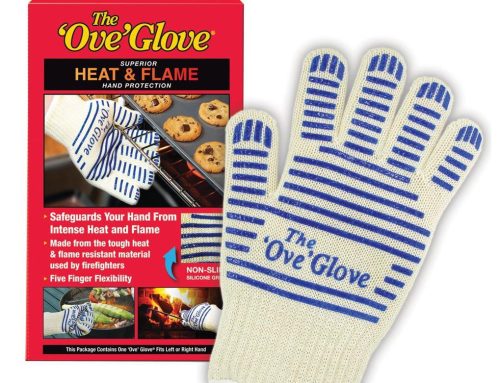
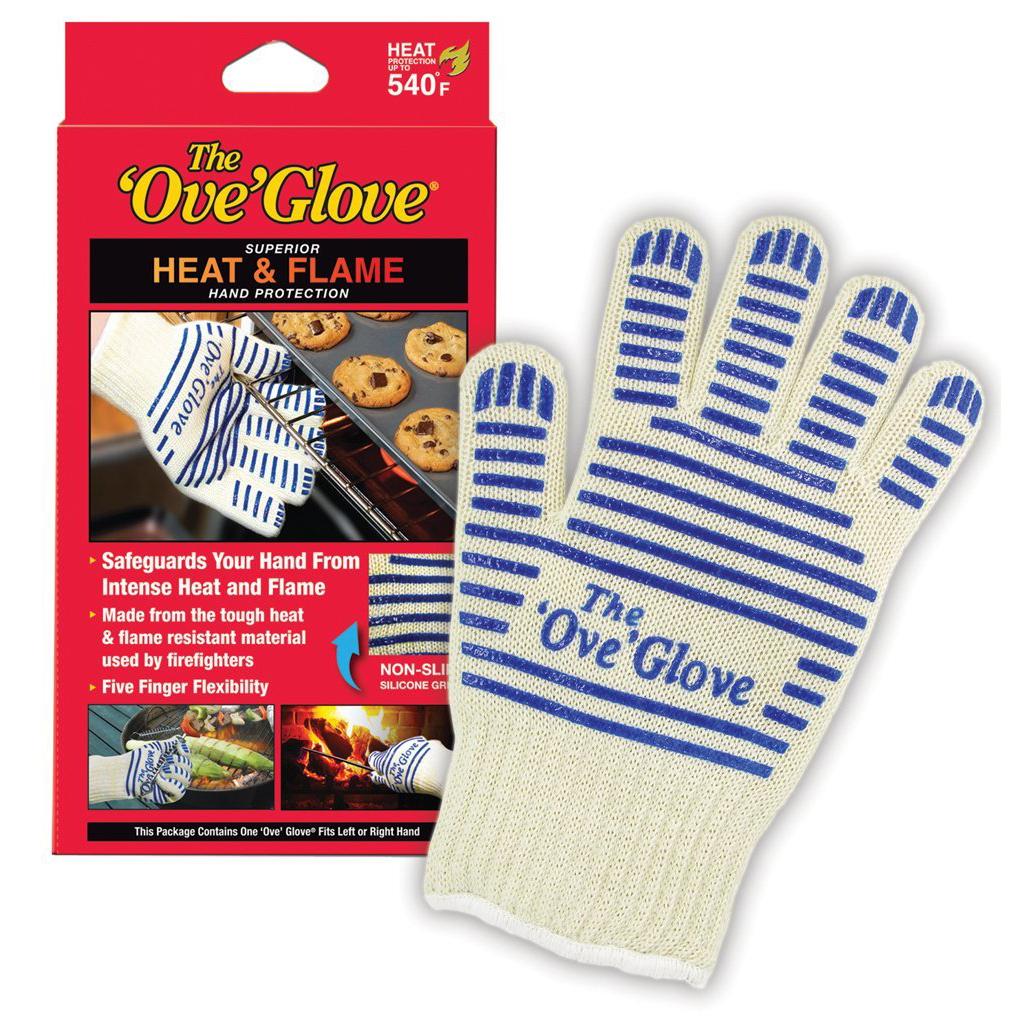
Keep your hands safe while cooking! Order today!
Handling Hot Roasting Equipment
Managing hot roasting equipment is essential for a safe Thanksgiving. Here’s how to protect yourself effectively.
Protective Gear Selection
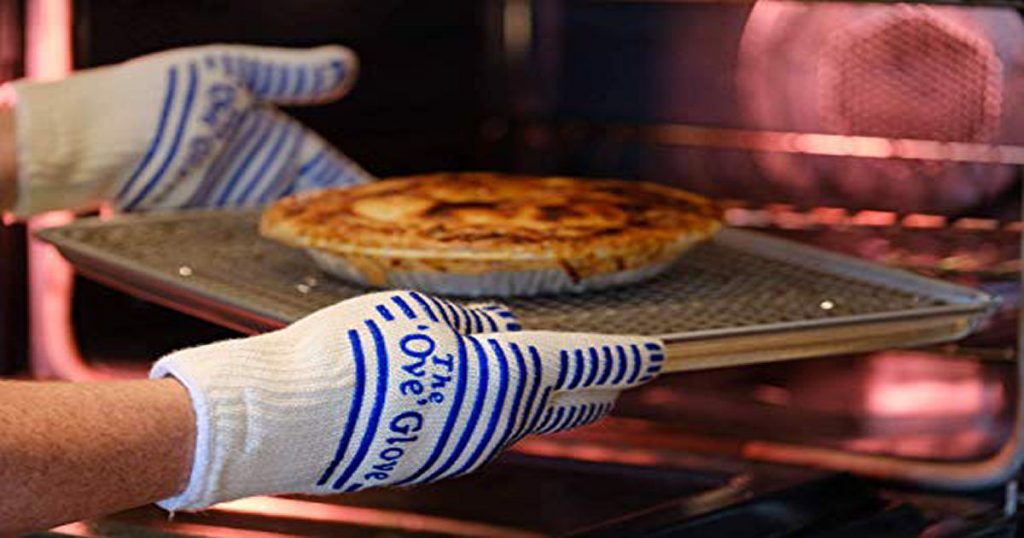
Choosing the right oven mitts is crucial. Look for mitts that offer high heat resistance. Silicone oven mitts are highly recommended, as they can withstand temperatures up to 500°F. These mitts provide excellent grip and protection. Read more about silicone vs traditional oven mitts to decide what’s best for you. Avoid thin mitts that offer little protection.
Safe Utensil Usage
Use utensils with heat-resistant handles to prevent burns. Wooden or silicone handles are excellent choices. Avoid metal handles that can become scorching hot when exposed to heat. With the right utensils, you can handle your turkey and roasting pan safely and with confidence. This small investment in quality kitchen tools can make a big difference.
Turkey Carving Tips
Carving a turkey is an art that requires the right tools and techniques. Let’s make it easy and enjoyable.
Choosing the Right Carving Tools
A sharp carving knife is essential for smooth cuts. Dull knives can tear the meat and ruin your presentation. Consider a knife with a long blade for better reach and control. A guide to selecting the best carving knife can be helpful. Additionally, a carving fork will help you hold the turkey steady while you slice.
Step-by-Step Carving Guide
-
Start with the legs: Remove them by cutting through the joint.
-
Carve the breasts: Slice parallel to the breastbone.
-
Go for the wings: Twist them off or use a knife to separate.
-
Finish with the thighs: Cut them into smaller pieces for serving.
Following these steps will ensure that your turkey is carved perfectly and ready for presentation.
Ensuring a Flawless Presentation
A well-presented turkey enhances the dining experience. Here’s how to achieve it.
Maintaining Flavor During Carving
Keep the turkey warm by covering it with foil as you carve. This retains heat and moisture, enhancing the flavor. A serving platter with a warming element can also help. By maintaining the right temperature, you ensure every bite is delicious and satisfying.
Arranging Turkey for Serving
Arrange the carved pieces neatly on a large platter. Group similar cuts together: breasts, legs, wings, and thighs. Garnish with fresh herbs like rosemary or parsley for a touch of color. This arrangement not only looks appealing but also makes it easy for guests to serve themselves.
Frequently Asked Questions
How long should I let my turkey rest before carving?
Let your turkey rest for 20 to 30 minutes. This allows juices to redistribute, resulting in a juicier turkey.
What tools do I need for safe turkey handling?
Use sturdy roasting racks and long-handled utensils like forks and spatulas to safely move your turkey.
What’s the best way to carve a turkey?
Begin with the legs, move to the breasts, then the wings, and finish with the thighs. Use a sharp carving knife for best results.
How can I keep my turkey warm during serving?
Cover the turkey with foil while carving. Use a warming platter to maintain heat, preserving flavor and moisture.
What type of oven mitts should I use?
Opt for high heat-resistant mitts such as silicone. These provide better protection and grip, making them safer for handling hot equipment.


All major credit cards accepted
Free Shipping – Order – Track Order – Contact Us
Heat Resistant Gloves: What Temperature Can They Handle?
Heat Resistant Gloves: What Temperature Can They Handle? Most heat resistant gloves claim to protect you from extreme temperatures, but can they really handle the heat you face every day? Choosing the wrong pair could leave you burned or limit your grip when you need control. This post breaks down [...]
How to Prevent Burns When Taking Food Out of the Oven
How to Prevent Burns When Taking Food Out of the Oven Burns in the kitchen happen more often than you think, especially when handling hot dishes straight from the oven. If you’ve ever flinched from a sudden steam burst or struggled with slippery mitts, you’re not alone. This post shares [...]
Can Oven Mitts Get Wet? Why Moisture Makes Heat Protection Worse
Can Oven Mitts Get Wet? Why Moisture Makes Heat Protection Worse Using wet oven mitts is more dangerous than most people realize. Moisture can sneak into the fabric and cut down its heat protection, putting your hands at risk. If you care about kitchen safety, understanding the moisture impact on [...]
Best Oven Gloves for Air Fryers
Best Oven Gloves for Air Fryers Handling hot air fryer baskets without the right gloves can turn meal prep into a risky task. Many oven gloves fall short when it comes to heat resistance, grip, or flexibility, making it harder to cook safely and comfortably. This guide highlights the best [...]
Best Oven Mitts for People With Small Hands and Large Hands
Best Oven Mitts for People With Small Hands and Large Hands Most oven mitts come in one size fits all, but that often means they fit no one well. If you have small hands, bulky mitts can feel clumsy and unsafe. Large hands? You might struggle to get a proper [...]
Are Oven Mitts or Gloves Better for Grip?
Are Oven Mitts or Gloves Better for Grip? Grabbing hot cookware without a solid grip can turn your kitchen into a danger zone. Oven mitts and gloves both promise protection, but which one really holds tight when it matters most? Let’s break down how texture, flexibility, and coverage affect oven [...]

Leave A Comment
You must be logged in to post a comment.