
Thanksgiving Turkey Frying Safety: What Every Home Cook Needs to Know
Thanksgiving turkey frying can turn a tasty tradition into a dangerous situation if safety isn’t your top priority. Many home cooks underestimate the risks of oil overflow, frozen turkeys, and fire hazards lurking just outside the kitchen. You need clear fryer safety tips and proper thawing methods to avoid accidents and keep your cooking on track. This guide covers everything from outdoor frying safety to why everyday oven gloves won’t protect you like specialized fryer gloves do. Learn more about how to safely handle hot equipment here.

Get FREE shipping on the Ove Glove today!
Outdoor Fryer Placement
Finding the right spot for your turkey fryer is the first step to a safe Thanksgiving cooking experience. It’s crucial to select a location that minimizes risk and keeps your kitchen free from hazards.
Choosing a Safe Location
Your fryer needs to be set up outside, away from any structures. A flat surface is ideal, preventing any accidental tipping. Keep the fryer away from walls, trees, or anything that can catch fire. This open space ensures that any mishaps don’t escalate into dangerous situations. Remember, weather can change quickly, so have a backup plan for rain or wind.
Avoiding Flammable Materials
When you’re frying a turkey, flammable materials need to be far from your setup. Choose an open area free of dry leaves or overhanging branches. A sudden gust of wind carrying a spark can turn a festive day into a disaster. Keep a fire extinguisher nearby, and make sure it’s rated for grease fires. This precaution can make all the difference in an emergency.
Proper Thawing Methods
Proper thawing is crucial to prevent oil splatter and ensure your turkey cooks evenly. Many people underestimate the time needed to thaw a turkey safely, leading to kitchen accidents.
Ensuring Full Thaw
Your turkey must be completely thawed before cooking. Depending on the size, this can take several days in the refrigerator. Plan for 24 hours of thawing per 4-5 pounds of turkey. This slow process helps avoid water pockets that can cause oil to splatter dangerously.
Preventing Oil Splatter
A partially frozen turkey can cause hot oil to splatter, leading to potential burns. Before frying, pat the turkey dry inside and out. Even a small amount of moisture can react violently with hot oil. Using a fryer basket is also a good idea, as it allows you to lower the turkey slowly into the oil, minimizing splashes.
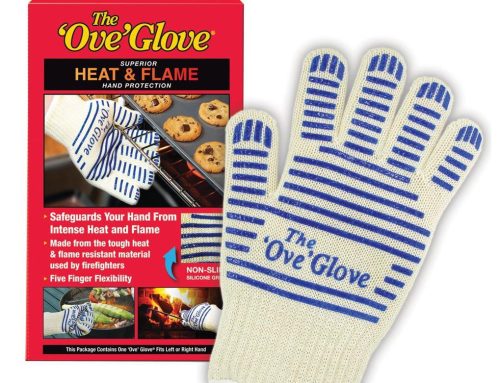
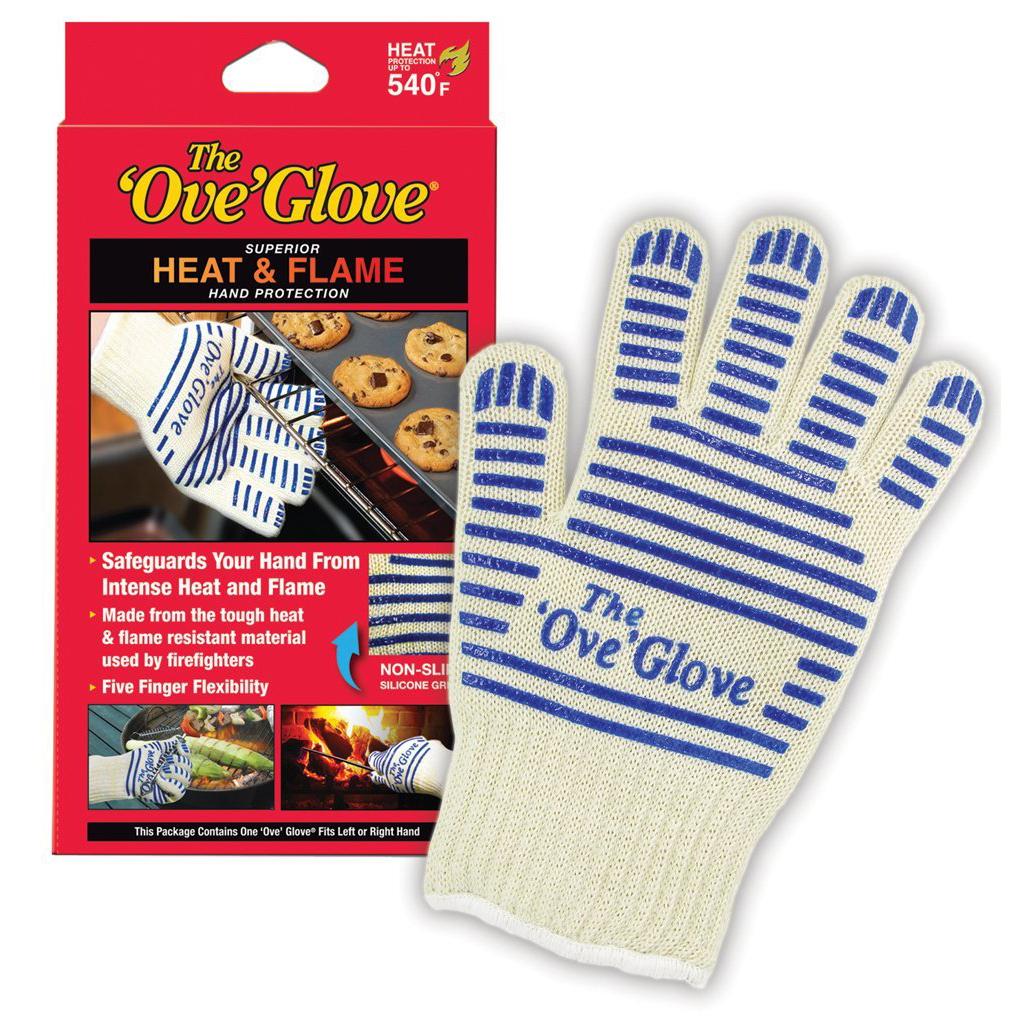
Keep your hands safe while cooking! Order today!
Monitoring Oil Levels
Keeping an eye on your oil levels is crucial. Too much oil can lead to overflow, while too little can cause uneven cooking.
Avoiding Overflow
Before you start, measure the oil needed by placing the turkey in the fryer, then filling with water to cover it. Remove the turkey, mark the water level, and use this as your oil guide. This simple step prevents overflow, which can lead to dangerous flare-ups.
Maintaining Safe Oil Temperature
Temperature control is vital for cooking turkey safely. Keep oil between 325°F and 350°F. A thermometer is your best friend here. If the oil is too hot, the turkey’s exterior can burn while the inside remains undercooked. Conversely, too cool, and your turkey will absorb excess oil, leading to a greasy meal. Learn more about maintaining proper temperatures here.
Fire Hazards in Frying
Understanding the potential fire hazards of frying is crucial. Preparation is key to handling any issues that arise.
Recognizing Common Risks
Flash fires can occur if oil overheats or spills. Be mindful of your surroundings and keep flammable items away. A lid or baking sheet can help smother small fires quickly. Most people think they don’t need extra safety measures, but having them can be a lifesaver.
Emergency Preparedness
Know what to do in case of an emergency. Call the fire department immediately if a fire starts. Don’t use water to extinguish an oil fire; it will only spread. A Class K fire extinguisher is designed for kitchen fires and is an essential part of your safety plan.
Safe Handling Techniques
Handling equipment safely ensures both the cook and the meal remain unharmed. This section highlights why specialized protection is necessary.
Importance of Fryer Gloves
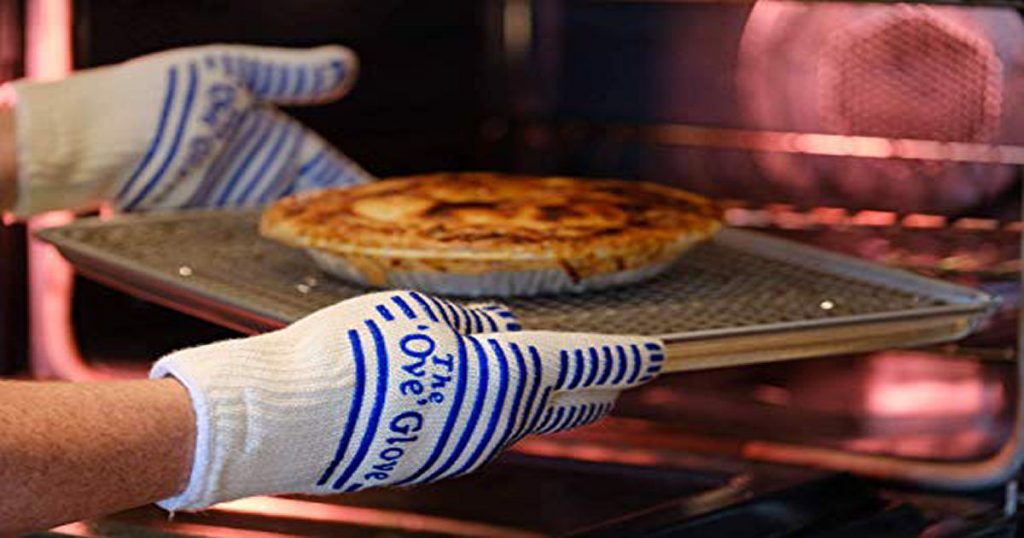
Ordinary oven mitts won’t cut it when dealing with hot oil. Specialized fryer gloves are designed to withstand higher temperatures and offer better dexterity. They protect your hands from splashes and burns. Check out this guide on choosing the best oven mitts.
Managing Hot Equipment Safely
Always prioritize safety when dealing with hot equipment. Use long utensils to keep your hands away from the fryer. Ensure your workspace is organized, with no trip hazards. This simple organization ensures a smooth cooking experience without mishaps.
Frequently Asked Questions
How long does it take to thaw a turkey?
A turkey takes about 24 hours per 4-5 pounds to thaw in the refrigerator. Ensure it’s fully thawed to avoid oil splatter.
What temperature should the oil be for frying a turkey?
Maintain oil temperature between 325°F and 350°F for optimal cooking. Use a thermometer for accuracy.
What should I do if a fire starts while frying?
Use a Class K fire extinguisher for kitchen fires. Never use water on an oil fire, as it will spread the flames.
Why can’t I use regular oven mitts with a fryer?
Regular oven mitts aren’t designed for the high temperatures and potential oil exposure of frying. Use specialized fryer gloves for safety.
How much oil should I use in the fryer?
Measure oil by first placing the turkey in the fryer with water. Mark the level, then use that as a guide for adding oil. This prevents overflow.


All major credit cards accepted
Free Shipping – Order – Track Order – Contact Us
The Ultimate Guide to Moving Hot Pots and Pans Securely
The Ultimate Guide to Moving Hot Pots and Pans Securely Burns from hot pots and pans happen more often than you might think. If you’ve ever rushed in the kitchen and ended up with a painful reminder, you know how quickly accidents strike. This guide will teach you simple ways [...]
How Worn-Out Mitts Could Be Risking Your Safety
The Secret to Heat Protection: How Worn-Out Mitts Could Be Risking Your Safety Worn-out mitts don’t just look shabby—they could be putting your fingers in danger. Thin fabric and hidden moisture chip away at the insulation that keeps heat at bay, turning your trusted oven mitt into a kitchen hazard. [...]
The Best Gloves for Safe and Sizzling Cast Iron Cooking
Heat-Resistant Heroes: The Best Gloves for Safe and Sizzling Cast Iron Cooking Cast iron skillets get scorching hot, and grabbing them without the right gloves is a quick way to ruin your cooking session. Finding the best heat resistant gloves means protecting your hands while still being able to move [...]
The Best Kitchen Gloves for Handling Hot Pans
Mastering Cast Iron: The Best Kitchen Gloves for Handling Hot Pans Handling cast iron cookware without the right gloves is a recipe for burns and frustration. You need heat resistant gloves that offer a solid grip for cast iron, so you can move heavy, hot pans with confidence. This guide [...]
A Guide to Heat Resistant Gloves for Cast Iron Cookware
From Silicone to Aramid: A Guide to Heat Resistant Gloves for Cast Iron Cookware Handling cast iron cookware without the right gloves feels like playing with fire. Protecting your hands matters when the heat climbs beyond what regular mitts can handle. This guide breaks down the best gloves for hot [...]
Top Baking Gloves for Home Cooks and Professional Bakers Alike
Top Baking Gloves for Home Cooks and Professional Bakers Alike Burns from hot baking sheets happen more often than you think. When you're juggling trays straight from the oven, slipping or scalding your hands isn't just painful—it can ruin your whole baking session. The right heat resistant gloves can change [...]

Leave A Comment
You must be logged in to post a comment.