
Thanksgiving Turkey Frying Safety: What Every Home Cook Needs to Know
Thanksgiving turkey frying can turn a tasty tradition into a dangerous situation if safety isn’t your top priority. Many home cooks underestimate the risks of oil overflow, frozen turkeys, and fire hazards lurking just outside the kitchen. You need clear fryer safety tips and proper thawing methods to avoid accidents and keep your cooking on track. This guide covers everything from outdoor frying safety to why everyday oven gloves won’t protect you like specialized fryer gloves do. Learn more about how to safely handle hot equipment here.

Get FREE shipping on the Ove Glove today!
Outdoor Fryer Placement
Finding the right spot for your turkey fryer is the first step to a safe Thanksgiving cooking experience. It’s crucial to select a location that minimizes risk and keeps your kitchen free from hazards.
Choosing a Safe Location
Your fryer needs to be set up outside, away from any structures. A flat surface is ideal, preventing any accidental tipping. Keep the fryer away from walls, trees, or anything that can catch fire. This open space ensures that any mishaps don’t escalate into dangerous situations. Remember, weather can change quickly, so have a backup plan for rain or wind.
Avoiding Flammable Materials
When you’re frying a turkey, flammable materials need to be far from your setup. Choose an open area free of dry leaves or overhanging branches. A sudden gust of wind carrying a spark can turn a festive day into a disaster. Keep a fire extinguisher nearby, and make sure it’s rated for grease fires. This precaution can make all the difference in an emergency.
Proper Thawing Methods
Proper thawing is crucial to prevent oil splatter and ensure your turkey cooks evenly. Many people underestimate the time needed to thaw a turkey safely, leading to kitchen accidents.
Ensuring Full Thaw
Your turkey must be completely thawed before cooking. Depending on the size, this can take several days in the refrigerator. Plan for 24 hours of thawing per 4-5 pounds of turkey. This slow process helps avoid water pockets that can cause oil to splatter dangerously.
Preventing Oil Splatter
A partially frozen turkey can cause hot oil to splatter, leading to potential burns. Before frying, pat the turkey dry inside and out. Even a small amount of moisture can react violently with hot oil. Using a fryer basket is also a good idea, as it allows you to lower the turkey slowly into the oil, minimizing splashes.
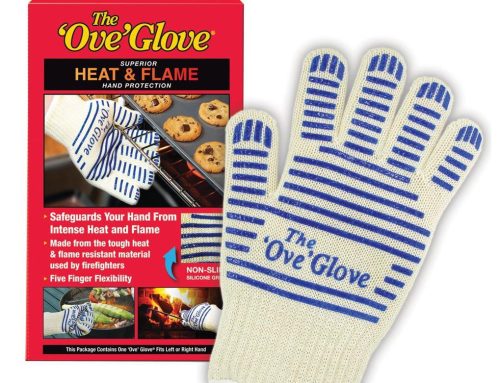
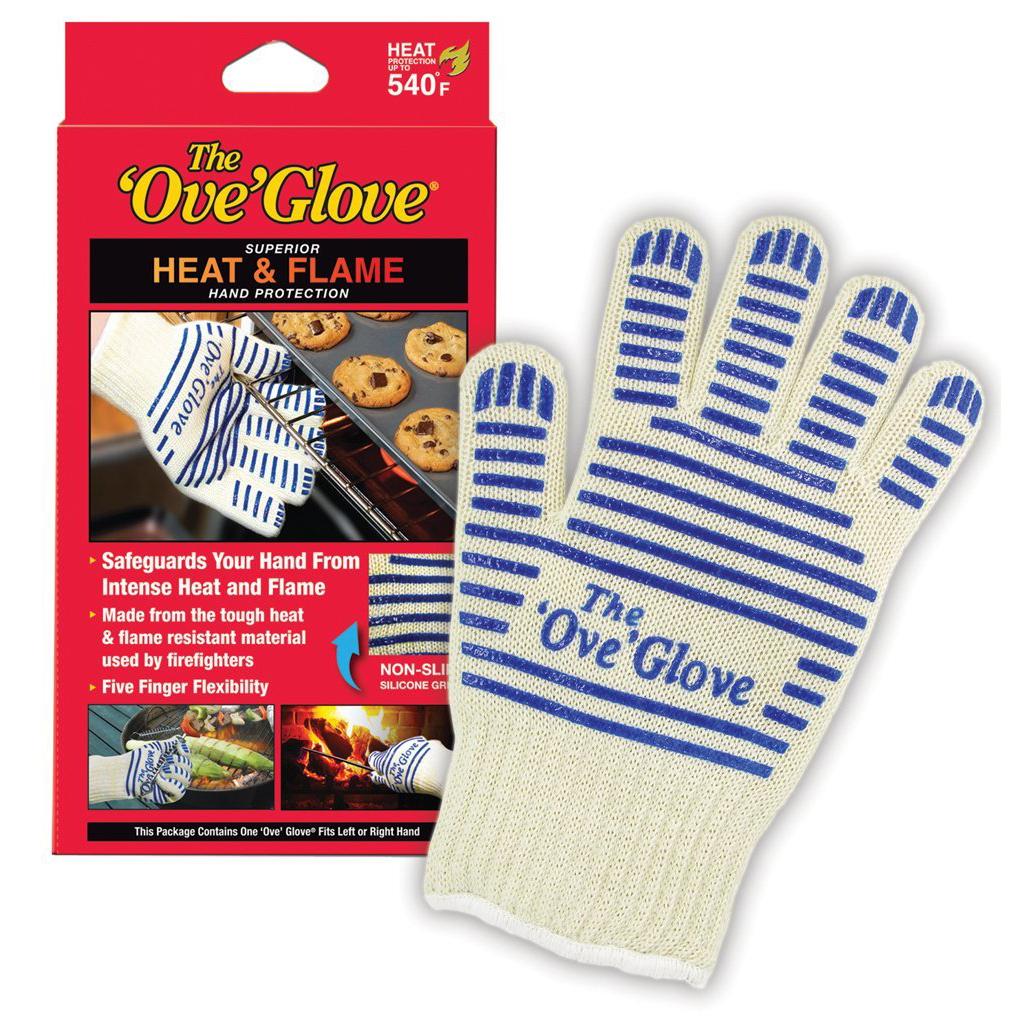
Keep your hands safe while cooking! Order today!
Monitoring Oil Levels
Keeping an eye on your oil levels is crucial. Too much oil can lead to overflow, while too little can cause uneven cooking.
Avoiding Overflow
Before you start, measure the oil needed by placing the turkey in the fryer, then filling with water to cover it. Remove the turkey, mark the water level, and use this as your oil guide. This simple step prevents overflow, which can lead to dangerous flare-ups.
Maintaining Safe Oil Temperature
Temperature control is vital for cooking turkey safely. Keep oil between 325°F and 350°F. A thermometer is your best friend here. If the oil is too hot, the turkey’s exterior can burn while the inside remains undercooked. Conversely, too cool, and your turkey will absorb excess oil, leading to a greasy meal. Learn more about maintaining proper temperatures here.
Fire Hazards in Frying
Understanding the potential fire hazards of frying is crucial. Preparation is key to handling any issues that arise.
Recognizing Common Risks
Flash fires can occur if oil overheats or spills. Be mindful of your surroundings and keep flammable items away. A lid or baking sheet can help smother small fires quickly. Most people think they don’t need extra safety measures, but having them can be a lifesaver.
Emergency Preparedness
Know what to do in case of an emergency. Call the fire department immediately if a fire starts. Don’t use water to extinguish an oil fire; it will only spread. A Class K fire extinguisher is designed for kitchen fires and is an essential part of your safety plan.
Safe Handling Techniques
Handling equipment safely ensures both the cook and the meal remain unharmed. This section highlights why specialized protection is necessary.
Importance of Fryer Gloves
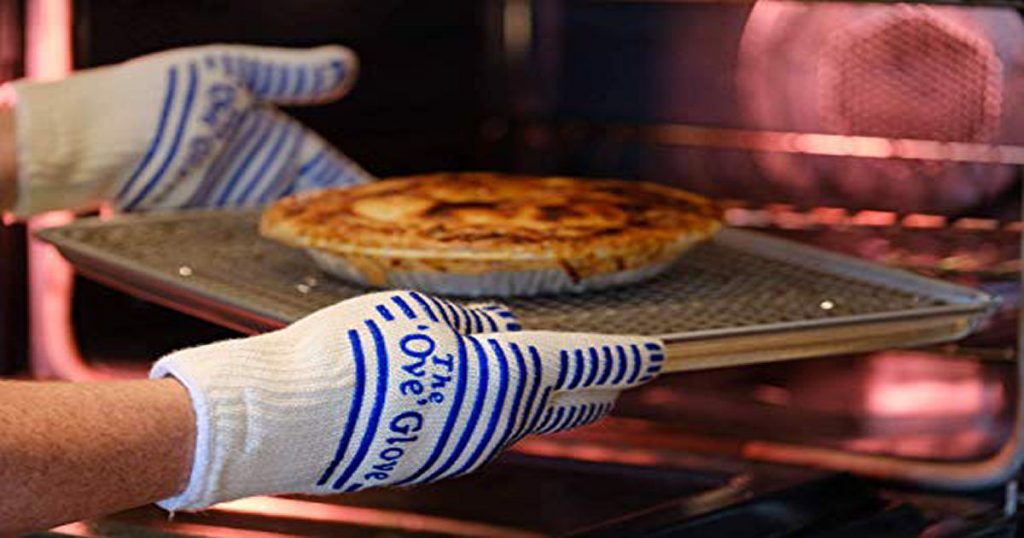
Ordinary oven mitts won’t cut it when dealing with hot oil. Specialized fryer gloves are designed to withstand higher temperatures and offer better dexterity. They protect your hands from splashes and burns. Check out this guide on choosing the best oven mitts.
Managing Hot Equipment Safely
Always prioritize safety when dealing with hot equipment. Use long utensils to keep your hands away from the fryer. Ensure your workspace is organized, with no trip hazards. This simple organization ensures a smooth cooking experience without mishaps.
Frequently Asked Questions
How long does it take to thaw a turkey?
A turkey takes about 24 hours per 4-5 pounds to thaw in the refrigerator. Ensure it’s fully thawed to avoid oil splatter.
What temperature should the oil be for frying a turkey?
Maintain oil temperature between 325°F and 350°F for optimal cooking. Use a thermometer for accuracy.
What should I do if a fire starts while frying?
Use a Class K fire extinguisher for kitchen fires. Never use water on an oil fire, as it will spread the flames.
Why can’t I use regular oven mitts with a fryer?
Regular oven mitts aren’t designed for the high temperatures and potential oil exposure of frying. Use specialized fryer gloves for safety.
How much oil should I use in the fryer?
Measure oil by first placing the turkey in the fryer with water. Mark the level, then use that as a guide for adding oil. This prevents overflow.


All major credit cards accepted
Free Shipping – Order – Track Order – Contact Us
Oven Mitt vs Oven Glove: What’s the Difference?
Oven Mitt vs Oven Glove: What's the Difference? Most home cooks treat oven mitts and oven gloves like the same thing. The truth is, each offers different levels of heat resistance, coverage, and control. Knowing these differences can keep you safer and more comfortable in the kitchen. Let’s break down [...]
Ove Glove Temperature Rating: How Much Heat Can It Handle?
Ove Glove Temperature Rating: How Much Heat Can It Handle? Most kitchen gloves claim to protect you from heat, but how much can the Ove Glove really handle? When you’re grabbing hot pans or pulling trays from the oven, knowing the exact temperature ratings of gloves matters. This post breaks [...]
Best Oven Gloves for Grilling and Outdoor Cooking
Best Oven Gloves for Grilling and Outdoor Cooking Most oven gloves struggle with the heat and mess of outdoor cooking. You need gloves that stand up to flames, water, and rough handling without slowing you down. This guide breaks down the best oven gloves for grilling, showing you which pairs [...]
How to Safely Remove a Hot Pan From the Oven
How to Safely Remove a Hot Pan From the Oven Removing a hot pan from the oven can quickly turn from a simple task into a painful mistake. Many home cooks underestimate the risks, leading to burns or spills that disrupt dinner plans. This guide breaks down how to remove [...]
How Hot Can an Oven Mitt Safely Handle? Temperature Guide
How Hot Can an Oven Mitt Safely Handle? Temperature Guide Most people assume all oven mitts can handle the same heat. That’s far from the truth—and it can put your fingers at risk. Knowing about oven mitt heat resistance and kitchen mitt materials can change how you protect yourself while [...]
Best Oven Gloves for Thanksgiving Turkey and Roasting Pans
Best Oven Gloves for Thanksgiving Turkey and Roasting Pans Handling a Thanksgiving turkey and heavy roasting pans without the right gloves is a recipe for burned hands and dropped dishes. When your oven mitts can’t keep up, the stress of holiday cooking only grows. Let’s cut through the noise and [...]

Leave A Comment
You must be logged in to post a comment.