
The Dangers of Using the Wrong Gloves in a Hot Kitchen
Using ordinary winter gloves or thin fabric gloves in a hot kitchen is more dangerous than most cooks realize. These materials aren’t built to handle high temperatures and can lead to painful burns or accidents. Your choice of kitchen gloves matters because only heat resistant gloves offer the protection needed to handle hot cookware safely. Learning which glove materials keep you safe is a key step in cooking safety. For more information on choosing the right protective gloves, you can visit this link.

Get FREE shipping on the Ove Glove today!
Understanding Kitchen Gloves
Let’s explore why choosing the right kitchen gloves is crucial for safety and efficiency in your cooking routine.
Importance of Proper Gloves
Using the correct gloves prevents burns and accidents. Heat resistant gloves protect your hands from hot surfaces and cookware. They keep you safe while enhancing your ability to handle various kitchen tasks. With the right gloves, you can confidently manage hot pots and pans without fear of injury.
Risks of Using Wrong Gloves
Wearing inappropriate gloves in the kitchen can lead to serious risks, including burns and slips. Thin fabric gloves or winter gloves don’t provide adequate protection against high temperatures. These materials can catch fire or melt, causing severe injuries. Understanding these risks can help you make safer choices in your kitchen.
Common Glove Materials
Knowing the materials used in gloves can help you decide which ones are best suited for kitchen use.
Winter Gloves in the Kitchen
Winter gloves are not designed to handle high heat. They are meant to keep your hands warm in cold conditions, not to protect against hot surfaces. Using them in the kitchen can result in burns because they lack proper insulation for cooking temperatures. Avoid using winter gloves when handling anything hot in your kitchen.
Fabric Gloves and Heat
Fabric gloves may seem convenient, but they are not suitable for high heat. They often lack the necessary thickness and heat resistance needed for kitchen safety. These gloves can quickly transfer heat to your hands, leading to burns. Always opt for gloves specifically made for kitchen use to ensure your safety.
Unsuitable Materials Explained
Certain materials, like cotton or polyester, are not ideal for kitchen gloves. They lack the heat resistance needed for safe cooking. Instead, look for gloves made from materials like silicone or special heat-resistant fibers. These offer better protection and help you handle hot cookware without worry.
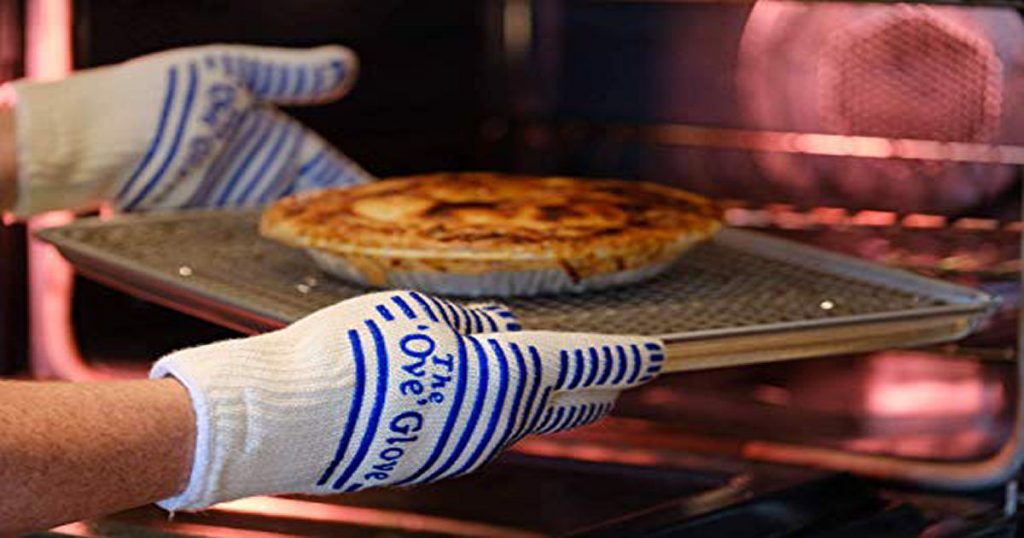
Keep your hands safe while cooking! Order today!
Choosing Heat Resistant Gloves
Selecting the right pair of heat resistant gloves can make a big difference in your cooking safety.
Key Features to Consider
When choosing gloves, look for specific features that enhance protection. Heat resistance is crucial, so ensure the gloves can withstand high temperatures. Look for gloves with a secure grip to prevent slipping. Also, consider the glove’s length to protect your wrists and forearms from accidental splashes or steam.
Benefits of Protective Gloves
Protective gloves offer peace of mind and safety. They shield your hands from burns and allow you to work confidently with hot dishes. With the right gloves, you can focus on creating delicious meals without worrying about accidents. Investing in quality gloves is a smart move for any kitchen enthusiast.
Cooking Safety Best Practices
Adopting best practices in cooking safety can prevent common kitchen mishaps.
Safeguarding Your Hands
Always prioritize hand safety in the kitchen. Use gloves that are specifically designed for handling heat. Keep a pair of heat resistant gloves nearby whenever you’re cooking. This simple precaution can prevent painful injuries and keep your cooking experience enjoyable.
Avoiding Common Mistakes
Common mistakes like using the wrong gloves can lead to accidents. Always check that your gloves are suited for high temperatures before handling hot items. Educate yourself on the right materials and features needed for safe cooking. This knowledge can help you avoid unnecessary risks.
Empowering Kitchen Enthusiasts
By choosing the right gloves and following safety practices, you can build confidence in your cooking abilities.
Building Confidence in the Kitchen
With the right protective gear, you can tackle any kitchen challenge with confidence. Knowing that your hands are safe allows you to focus on perfecting your recipes. Invest in the right kitchen tools and set yourself up for cooking success.
Encouraging Safe Cooking Practices
Encourage others to adopt safe cooking practices by sharing your knowledge. Discuss the importance of using the right gloves and materials in the kitchen. By promoting safety, you help create a culture of care and responsibility in cooking environments.
Frequently Asked Questions
Can I use winter gloves for cooking?
Winter gloves are designed for cold weather, not high heat. They don’t offer the necessary protection against hot cookware.
What materials should I look for in heat resistant gloves?
Look for gloves made from silicone or specialized heat-resistant fibers. These materials provide effective protection against high temperatures.
Why are fabric gloves not suitable for the kitchen?
Fabric gloves often lack the thickness and heat resistance required for kitchen use. They can transfer heat quickly, leading to burns.
What are the benefits of using heat resistant gloves?
Heat resistant gloves protect your hands from burns, allowing you to handle hot cookware safely and confidently.
How can I ensure my cooking practices are safe?
Always use gloves designed for high temperatures, educate yourself on safe materials, and prioritize hand protection in the kitchen.


All major credit cards accepted
Free Shipping – Order – Track Order – Contact Us
Oven Mitts vs Oven Gloves: What’s the Difference?
Oven Mitts vs Oven Gloves: What's the Difference? Most people grab whatever is handy when reaching for hot cookware, but oven mitts and oven gloves are not the same. Choosing the wrong one can cost you in safety and comfort. This cooking tools comparison breaks down how their designs, materials, [...]
How to Protect Your Hands From Burns While Cooking
How to Protect Your Hands From Burns While Cooking Burns in the kitchen happen more often than you think, and they can ruin your cooking time fast. Keeping your hands safe isn’t just about luck—it’s about using the right tools and knowing smart ways to handle hot cookware. In this [...]
Best Oven Mitts for Dutch Ovens and Cast Iron Cookware
Best Oven Mitts for Dutch Ovens and Cast Iron Cookware Heavy cast iron and Dutch ovens hold heat like a furnace, making every grab a potential burn risk. If your oven mitts aren’t up to the task, you’re asking for trouble. This guide breaks down the best oven mitts for [...]
How to Handle a Cast Iron Skillet Safely When It’s Hot
How to Handle a Cast Iron Skillet Safely When It's Hot Handling a hot cast iron skillet can feel like walking a tightrope without a safety net. One wrong move, and you risk burns or spills that ruin your cooking flow. This guide will share practical cooking safety tips and [...]
How to Safely Remove a Hot Baking Dish From the Oven
How to Safely Remove a Hot Baking Dish From the Oven Burns from hot baking dishes happen more often than you might think, and a split second of carelessness can ruin your day. You want to enjoy your delicious meals without risking painful accidents or messy spills. Learning how to [...]
Can You Use Oven Mitts on a Grill?
Can You Use Oven Mitts on a Grill? Grilling at high heat demands gear that keeps your hands safe from sudden flare-ups and scorching racks. Many wonder if their trusty oven mitts can handle the heat outdoors or if specialized grilling gloves are a must. This post breaks down what [...]

Leave A Comment
You must be logged in to post a comment.