Mastering Kitchen Safety: The Role of Heat-Resistant Gloves and More
Oven burns remain one of the top hazards in busy kitchens, putting your team at risk every day. Restaurants that take kitchen safety seriously don’t leave protection to chance—they equip staff with heat-resistant gloves and train them in safe oven use. In this post, you’ll learn how smart kitchen layout, the right protective gear, and a strong culture of communication come together to keep your cooks safe from burns. For more information on cooking safety, you can visit here.

Order the Ove Glove today and get FREE shipping!
Essential Protective Gear
Understanding the right gear is crucial for preventing burns in the kitchen. Let’s start with the most important tools: gloves, aprons, and mitts.
Heat-Resistant Gloves Explained
Protecting your hands is vital when dealing with hot surfaces. Heat-resistant gloves are designed to shield against high temperatures, ensuring your safety while cooking. They are typically made from materials like silicone or Kevlar, offering durability and protection. These gloves allow you to handle hot pots, pans, and oven racks without the risk of burns. Remember, not all gloves are created equal. Choose gloves that offer a comfortable fit and allow for dexterity, as this is crucial in a fast-paced kitchen environment.
Importance of Protective Aprons
Aprons do more than keep clothes clean. They protect against burns from splatters and spills. A quality apron should cover your torso and upper legs, providing a barrier against hot liquids and oils. Look for aprons made from flame-resistant materials that are easy to clean. The right apron keeps you safe and reduces the risk of accidents, making it an essential part of kitchen safety gear.
Choosing the Right Oven Mitts
Oven mitts are another key player in kitchen safety. They offer a layer of protection that gloves or aprons alone cannot provide. When choosing mitts, consider their length. Longer mitts cover more of your arm, offering better protection. Opt for mitts with a non-slip grip for secure handling of hot items. Investing in high-quality mitts reduces the chance of burns, keeping your kitchen experience pleasant and safe.
Chef Safety Training
Equipping your team with knowledge is just as important as providing the right gear. Let’s explore how training enhances kitchen safety.
Safe Oven Operation Techniques
Knowing how to safely operate an oven is fundamental in preventing burns. Training should cover everything from adjusting temperatures correctly to understanding when and how to open the oven door safely. Emphasize the importance of using mitts and gloves every time they reach inside a hot oven. Regular training sessions reinforce these practices, keeping safety at the forefront of your kitchen operations.
Awareness and Burn Prevention
Prevention starts with awareness. Educate your team about common hazards and encourage them to stay vigilant. Simple habits, like checking oven racks before use and ensuring all surfaces are clear of obstructions, can prevent accidents. Encouraging open communication about potential hazards helps keep everyone aware and alert, ultimately reducing the risk of burns.
Continuous Education for Staff
Safety training shouldn’t stop after the initial sessions. Make continuous education a priority. Schedule regular workshops and safety drills to keep safety techniques fresh in everyone’s mind. These sessions should include updates on safety protocols and new equipment introductions. By investing in ongoing education, you create a culture of safety that benefits everyone in the kitchen.
Kitchen Layout for Safety
A well-designed kitchen layout plays a significant role in minimizing the risk of oven burns. Let’s look at how design impacts safety.
Equipment Design and Placement
Proper placement of kitchen equipment reduces accidents. Position ovens at a height that minimizes the need for bending or reaching, and ensure they are easily accessible without obstructing traffic flow. Group similar equipment together to reduce unnecessary movement. A thoughtful layout not only enhances efficiency but also keeps your staff safe.
Traffic Flow Considerations
Effective traffic flow reduces collisions and accidents. Design pathways that allow staff to move freely and safely, avoiding bottlenecks during peak hours. Clearly mark areas where hot items are handled, and establish clear routes for entering and exiting busy zones. A smooth flow ensures everyone’s safety and keeps the kitchen running like a well-oiled machine. For more tips on reducing burns in commercial kitchens, see this guide.
Protect your hands while cooking with the Ove Glove
Ergonomic Workspace Setup
Creating an ergonomic workspace reduces strain and the risk of accidents. Arrange workstations so that everything is within easy reach, reducing the need to stretch or twist. Ensure that surfaces are at a comfortable height for all staff members. An ergonomic setup keeps your team comfortable and focused, minimizing the risk of burns.
Cultivating a Culinary Safety Culture
Fostering a culture of safety is as important as having the right gear or layout. Let’s see how communication and leadership contribute to this culture.
Fostering Team Communication
Open communication is key to a safe kitchen environment. Encourage your team to speak up about safety concerns and suggestions for improvement. Regular safety meetings provide a platform for discussing these issues and fostering a collaborative environment. A team that communicates well is more likely to spot hazards and prevent accidents before they occur.
Leadership and Safety Advocacy
Leadership plays a critical role in promoting safety. Demonstrate a commitment to safety by modeling best practices and prioritizing safety in all operations. Encourage leaders to advocate for safety measures and reward staff for adhering to protocols. Strong leadership sets the tone for a safety-first culture, inspiring the entire team to follow suit.
Implementing Regular Safety Audits
Regular audits ensure that safety measures are effective and up to date. Schedule audits to review equipment condition, staff adherence to safety protocols, and overall kitchen layout. Use these audits to identify areas for improvement and implement necessary changes. Regular assessments maintain high safety standards and keep your kitchen accident-free. Learn more about burn safety measures from this news article.
The Role of Protective Equipment
Protective equipment is the final key to kitchen safety. Let’s dive into how to choose and invest in the best gear for your team.
Selecting the Best Ove Glove
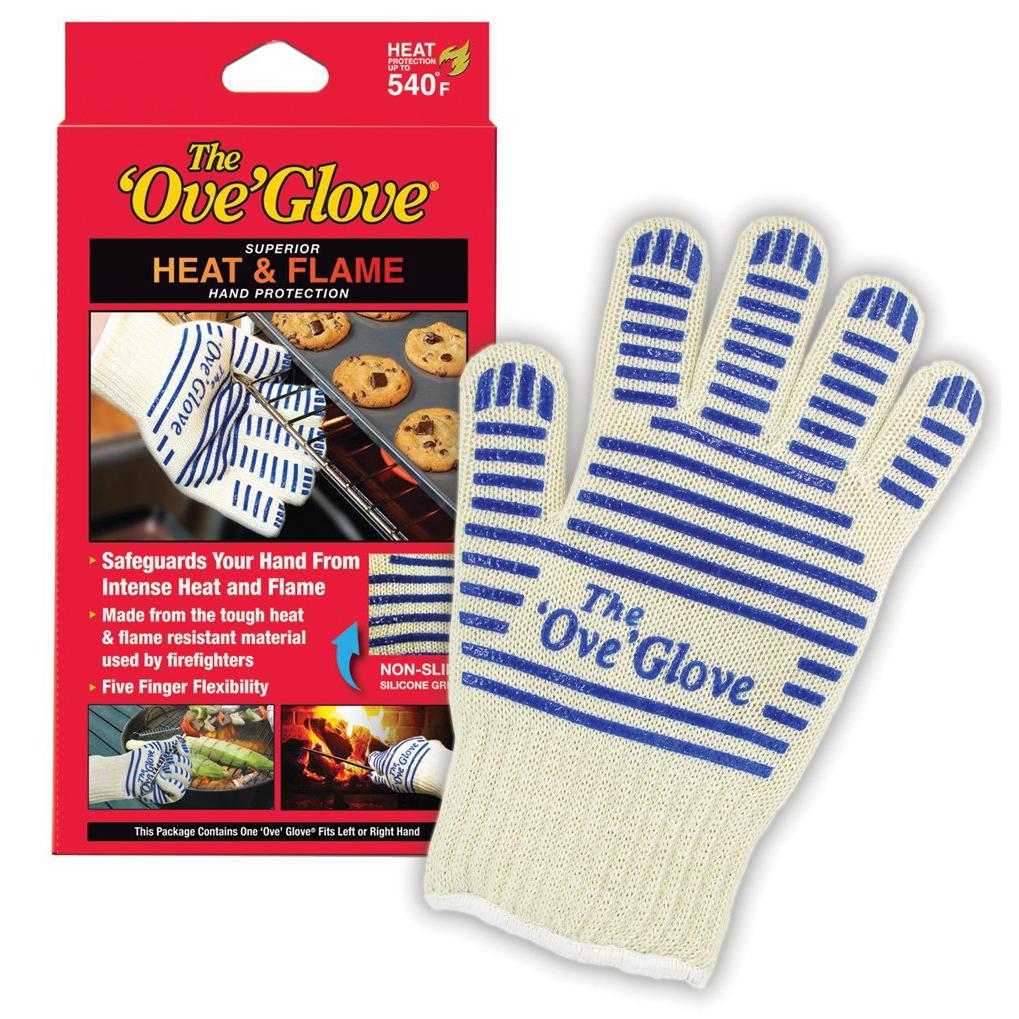
Ove Gloves are a popular choice for their high heat resistance and flexibility. When selecting Ove Gloves, consider their heat tolerance and grip. Look for gloves that offer protection up to 540 degrees Fahrenheit, ensuring you can handle hot items confidently. A good grip is essential for secure handling, reducing the chance of slips and burns.
Investing in Quality Oven Gloves
Quality oven gloves make a significant difference in safety. Choose gloves made from durable materials that withstand frequent use. They should provide a snug fit, allowing for dexterity while handling hot items. Investing in high-quality gloves not only protects your staff but also enhances their confidence in handling hot equipment.
Comprehensive Protective Gear for Cooks
A comprehensive approach to protective gear keeps your kitchen safe. Combine gloves, aprons, and mitts to offer full protection against burns. Ensure all gear meets safety standards and is regularly inspected for wear and tear. By providing complete protection, you can prevent accidents and maintain a safe and efficient kitchen environment. For additional tips on staying safe in a restaurant kitchen, check out this Facebook post.
By prioritizing kitchen safety with the right gear, training, and culture, you create a safer environment for your team. This approach not only prevents accidents but also empowers your staff to work confidently and efficiently. Remember, a safe kitchen is a successful kitchen.


All major credit cards accepted
Free Shipping – Order – Track Order – Contact Us
Tips for Safely Handling Hot Oven Dishes
Oven Safety 101: Tips for Safely Handling Hot Oven Dishes Burns and slips in the kitchen happen more often than you think, especially when handling hot dishes. If you’ve ever juggled a heavy casserole or struggled to pull out a tray without dropping it, you know how risky it can [...]
Essential Tools to Avoid Burns While Baking
Keep Your Cool in the Kitchen: Essential Tools to Avoid Burns While Baking Burns in the kitchen happen more often than you think, and they can ruin your love for baking fast. If you want to handle hot trays and dishes without fear, the right baking accessories make all the [...]
Pro Tips for Improving Kitchen Safety
Avoid Kitchen Hazards: Pro Tips for Improving Kitchen Safety Most kitchens hide risks you never notice until it’s too late. Slipping on a wet floor or a forgotten stove burner can turn your cooking space into a danger zone. This kitchen safety checklist highlights 15 simple fixes you can make [...]
The Importance of High Heat Resistance in Oven Mitts for Home Cooks
From Sizzle to Safe: The Importance of High Heat Resistance in Oven Mitts for Home Cooks You pull your oven mitts off expecting relief, but the heat still stings your skin. Cheap mitts often miss the mark because they don’t block heat transfer well, leaving you vulnerable to burns. Understanding [...]
Must-Have Items for Kitchen Hazard Prevention
Chef Safety Essentials: Must-Have Items for Kitchen Hazard Prevention Most home chefs think a sharp knife and good recipes are all they need. The truth is, missing the right kitchen safety equipment puts you at risk every time you cook. Protecting yourself starts with having the right gear to prevent [...]
The Home Cook’s Guide to Proper Hand Protection in High-Temperature Cooking
The Home Cook’s Guide to Proper Hand Protection in High-Temperature Cooking Taking food out of a 450°F oven can be a risky move if you don’t protect your hands right. Many home cooks overlook the simple steps that prevent painful steam burns and slips. This guide will walk you through [...]