
Burn Prevention for All Skill Levels: Tips for a Safer Cooking Experience
Even the most seasoned cooks can find themselves nursing a burn after a hectic night in the kitchen. Fast meal prep, juggling multiple tasks, and brief moments of distraction create perfect conditions for culinary accidents. This post digs into why these slips happen and how strong kitchen safety habits, like using the right oven glove and staying alert, can keep burns at bay no matter your skill level. For more information on burns, you can visit this resource.

Get FREE shipping on the Ove Glove today!
Common Causes of Kitchen Burns
Everyone loves a delicious home-cooked meal, but safety should always come first. Understanding what leads to burns is the first step in preventing them.
Distractions and Multitasking
In the kitchen, distractions are everywhere. Phones ringing, kids asking questions, or timers going off can pull your attention away. Each moment you lose focus increases the chance of getting hurt. Most people think they can juggle everything, but even experienced cooks can make mistakes. Limiting distractions and setting a dedicated cooking time can help you stay on track.
Fast-Paced Meal Preparation
Rushing through meal preparation is tempting, especially when you’re hungry or in a hurry. But speed can lead to accidents. Chopping vegetables quickly, reaching into a hot oven without proper gear, or not looking before grabbing a pan are common missteps. Slow down and give each step the attention it needs. Respect the heat, and you’ll avoid burns.
Lack of Safety Awareness
Many burns happen because of a lack of awareness. Knowing what to look for can make a big difference. Always check your surroundings: Is there a pot handle sticking out? Is your workspace cluttered? Keep your area tidy, and always use the right tools. Awareness keeps the kitchen a safe space.
Essential Safety Gear
Gear plays a big role in keeping you safe while cooking. The right tools can protect you from harm.
Choosing the Right Oven Mitts
Oven mitts are basic but essential. Not all mitts are created equal, though. Look for ones that provide good grip and cover your wrists. They should fit comfortably to allow you to move freely. High-quality mitts can withstand high temperatures, giving you the confidence to handle hot dishes safely.
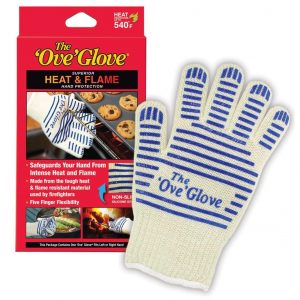
Protect your hands while cooking with the Ove Glove
Benefits of an Ove Glove
An Ove Glove is a step up from regular mitts. Made from heat-resistant materials, it offers better protection. With five-finger flexibility and non-slip silicone grips, handling hot items becomes easier and safer. It’s a small investment for big peace of mind.
Protective Clothing and Footwear
Wearing the right clothes can prevent burns, too. Long sleeves protect your arms, while closed-toe shoes keep your feet safe from spills and drops. Consider using an apron to shield your clothes from splatters. Simple clothing choices make a significant difference in safety.
Mindfulness in the Kitchen
Being mindful keeps you aware of potential hazards. It’s all about staying in the moment and focusing on the task at hand.
Staying Present and Focused
Mindfulness means being present. Focus solely on the cooking process, and don’t let your mind wander. If you find yourself drifting, take a moment to refocus. Keeping your mind on the task helps you cook safely and effectively.
Developing Safe Cooking Habits
Habits form the backbone of safety. Always place pot handles inward, use timers to track cooking progress, and clean as you go. Over time, these habits become second nature, reducing the risk of burns.
Recognizing and Mitigating Risks
Understanding risks is key. Know where hazards lie, like hot stovetops or boiling liquids. Once you identify these risks, you can take action, such as using lids to contain splashes or keeping a fire extinguisher handy. Proactive steps lead to a safer kitchen.
Burn Prevention Techniques
Preventing burns requires a mix of techniques. With a few strategies, you can cook with confidence.
Effective Heat Management
Managing heat is crucial. Always know where your heat sources are and regulate them carefully. Use lower heat settings when possible to reduce the risk of burns. Remember, a gentle simmer is often more effective than a rapid boil.
Safe Handling of Hot Liquids
Hot liquids pose a significant risk. Always use lids, and pour slowly and carefully. If you need to move a pot, use both hands with protection to keep it steady. These steps prevent spills that can lead to serious injuries.
Proper Use of Kitchen Tools
Each tool has its purpose. Use the right tool for each job, and take time to learn how to use them properly. Dull knives are more dangerous than sharp ones, and using them incorrectly can lead to accidents. Keep tools in top shape for safe cooking.
Kitchen Safety for All
Safety is for everyone, whether you’re just starting out or have years of experience.
Tips for Novice Home Cooks
For beginners, the kitchen can be overwhelming. Start with simple recipes and focus on mastering basics. Pay attention to safety tips and learn from each cooking session. Patience is key; the more you practice, the safer you become.
Advice for Culinary Students
As a student, you’re learning the ropes. Always wear protective gear, and don’t be afraid to ask questions. Experimentation is part of learning, but do so safely. Keep a close eye on your environment and practice safe techniques to build a strong foundation.
Guidelines for Professional Chefs
Even with experience, chefs must stay vigilant. Set a good example by maintaining high safety standards. Regularly refresh your knowledge on safety practices. Staying informed ensures that you not only protect yourself but also those around you.
Safety in the kitchen is crucial, no matter your skill level. By understanding common risks and using the right tools and techniques, you can enjoy cooking without worry. Stay mindful, use protective gear, and make safety a priority to keep burns at bay. Cooking should be a joyous experience, free from accidents and injuries.


All major credit cards accepted
Free Shipping – Order – Track Order – Contact Us
Best Heat Resistant Gloves for Cooking
Best Heat Resistant Gloves for Cooking Burning your fingers while cooking is more common than you think, and the wrong gloves can make it worse. You need heat resistant gloves that actually protect without sacrificing comfort or grip. This guide breaks down the best cooking gloves so you can handle [...]
Oven Mitts vs Pot Holders: Which Is Safer?
Oven Mitts vs Pot Holders: Which Is Safer? Most home cooks trust their oven mitts or pot holders without a second thought. Yet, not all kitchen accessories offer the same level of burn protection and heat resistance. This post breaks down the safety features of oven mitts versus pot holders, [...]
Best Oven Gloves for Grilling and BBQ
Best Oven Gloves for Grilling and BBQ Most oven gloves fail when the heat gets intense, leaving you risking burns or fumbling with your grill tools. If you’ve ever wished your grilling gloves could offer real protection without sacrificing comfort or grip, you’re not alone. This guide breaks down the [...]
Oven Mitts vs Oven Gloves: What’s the Difference?
Oven Mitts vs Oven Gloves: What's the Difference? Most people grab whatever is handy when reaching for hot cookware, but oven mitts and oven gloves are not the same. Choosing the wrong one can cost you in safety and comfort. This cooking tools comparison breaks down how their designs, materials, [...]
How to Protect Your Hands From Burns While Cooking
How to Protect Your Hands From Burns While Cooking Burns in the kitchen happen more often than you think, and they can ruin your cooking time fast. Keeping your hands safe isn’t just about luck—it’s about using the right tools and knowing smart ways to handle hot cookware. In this [...]
Best Oven Mitts for Dutch Ovens and Cast Iron Cookware
Best Oven Mitts for Dutch Ovens and Cast Iron Cookware Heavy cast iron and Dutch ovens hold heat like a furnace, making every grab a potential burn risk. If your oven mitts aren’t up to the task, you’re asking for trouble. This guide breaks down the best oven mitts for [...]


