
Top Indicators It’s Time to Replace Your Kitchen Equipment for Safer Cooking
Your oven glove might look fine at first glance, but worn-out fabric and melted surfaces signal serious risks. Ignoring wear and tear signs on your kitchen safety gear can turn everyday cooking into a dangerous task. Spotting these safety equipment indicators early helps you replace kitchen equipment before unsafe kitchen tools cause accidents. Keep reading to learn exactly when it’s time to swap out your oven glove and other gear for safer cooking. For more expert tips on kitchen safety, check out this resource.

Get FREE shipping on the Ove Glove today!
Recognizing Wear and Tear
Your kitchen gear might be hiding some dangers. Spotting wear and tear early can save trouble later.
Signs of Thinning Fabric
Your oven gloves protect your hands from burns. But what if the fabric is too thin? Feel the material. If it feels different in spots, it might be time for new gloves. Thin fabric means less protection. Fact: Thinner fabric makes burns more likely. Look closely at your oven glove. Frayed edges and holes are clues. Look for discoloration too. These are all signs of wear and tear.
Melted Surfaces on Tools
Cooking at high heat can melt kitchen tools. Melted surfaces are a sign of danger. You might not notice at first. But melted spots weaken your tools. A tool that looks fine might break. That’s a risk you don’t want in your kitchen. Check your tools after using them with high heat. If you see melted spots, it’s time to get new ones.
Reduced Grip Indicators
Having a good grip is key when handling hot items. Feel your oven glove. If it slips in your hand, it might not keep you safe. Check your kitchen tools too. If the handle feels slippery, it could be time for a replacement. Most people think slippery tools are safe, but they’re not. Replace them for better grip.
Unsafe Kitchen Tools
Old kitchen tools can be risky. Knowing the dangers can keep you safe in the kitchen.
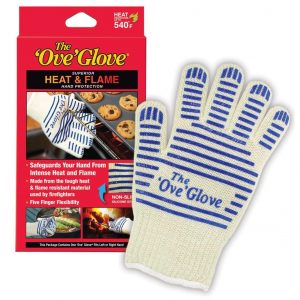
Protect your hands while cooking with the Ove Glove
Dangers of Old Ove Gloves
Old gloves may seem fine, but they hide risks. Worn-out gloves can lead to burns. The heat can seep through the fabric. The longer you wait, the bigger the risk. Invest in new gloves to protect your hands better.
Issues with Worn-Out Oven Gloves
Worn gloves are a safety hazard. You might not feel the heat until it’s too late. Did you know? Worn fabric can double the risk of burns. Keep checking for wear and tear. Replace them when they show signs of damage.
Risks of Damaged Cutting Boards
Cutting boards with cuts and grooves hold bacteria. These germs can cause illness. Most people think washing is enough, but it’s not. Damaged boards trap bacteria. It’s safer to get a new board. Regularly check for deep cuts. If you find them, replace the board.
Safety Equipment Indicators
Knowing when to replace kitchen gear can keep you safe. Here’s how you can stay ahead.
Importance of Regular Checks
Regular checks can catch problems early. Set a routine. Check your kitchen safety gear monthly. Look at the fabric, surfaces, and grips. Regular checks help identify problems before they become serious.
How to Conduct a Safety Assessment
Conducting a safety check is simple. Follow these steps:
-
Inspect all kitchen tools for wear.
-
Check for signs of thinning fabric or melted surfaces.
-
Test the grip of your oven gloves.
-
Look for deep cuts on cutting boards.
When to Replace Kitchen Equipment
Knowing when to replace kitchen gear is key. If you see any wear and tear signs, it’s time to replace. Replacing kitchen tools regularly reduces risks. Don’t wait until it’s too late. Check your gear and replace as needed.
Benefits of New Kitchen Safety Gear
Getting new kitchen gear has its perks. It’s not just about safety.
Enhanced Cooking Experience
New gear can make cooking more enjoyable. Better tools mean better results. You’ll notice the difference instantly. With new gear, you can focus on creating delicious meals without worry.
Improved Safety for Home Cooks
Safety is a major benefit. New gear offers better protection. You can cook with confidence, knowing your tools won’t fail. Most people think old tools are reliable, but they aren’t. Prioritize safety with new gear.
Longevity and Cost Efficiency
New kitchen gear lasts longer. While it might cost more upfront, you save in the long run. Your tools will perform better and last longer. Fact: Investing in quality saves money over time.
Making the Change
Ready to upgrade your kitchen tools? Here’s how to make the change smoothly.
Steps to Replace Kitchen Equipment
Replacing your kitchen tools is simple. Follow these steps:
-
Identify worn-out tools.
-
Research replacements.
-
Purchase from trusted retailers.
Finding Reliable Kitchen Retailers
Purchase from trusted retailers. This ensures quality and safety. Look for stores with good reviews. Trustworthy retailers provide better products. You can find recommendations in online forums, like this Reddit discussion.
Maintaining New Equipment for Safety
Once you have new gear, maintaining it is key. Clean tools after every use. Store them properly to avoid damage. Regular maintenance keeps your tools in top shape and ensures safety.
Stay proactive about your kitchen safety by keeping an eye on your equipment. The longer you wait to replace worn-out tools, the higher the risk. Take action today for a safer kitchen tomorrow.


All major credit cards accepted
Free Shipping – Order – Track Order – Contact Us
10 Things to Look for When Buying Heat Resistant Cooking Gloves
10 Things to Look for When Buying Heat Resistant Cooking Gloves Most cooking gloves claim to protect you from heat, but many fall short when it matters most. Choosing the right pair can save your hands from burns and make handling hot pots safer. This buying guide for cooking gloves [...]
How to Choose the Best Heat Resistant Oven Gloves
How to Choose the Best Heat Resistant Oven Gloves Burning your hands while cooking is more common than you think. Many oven gloves fail to protect when it matters most, leaving you at risk. This guide breaks down the key oven glove features you need to watch for, so you [...]
What Makes an Oven Glove Heat Resistant? Materials Explained
What Makes an Oven Glove Heat Resistant? Materials Explained Most oven gloves look similar, but their ability to protect your hands from heat varies widely. Choosing the right heat resistant oven gloves means understanding what goes inside them—the materials and design that keep burns at bay. This post breaks down [...]
Can You Use Oven Gloves on a Grill?
Can You Use Oven Gloves on a Grill? Using oven gloves on a grill might seem like a simple choice, but not all gloves are made to handle open flames and intense heat. Many home cooks assume their kitchen gloves offer enough protection, only to find out the hard way [...]
Can You Use an Oven Glove for a Cast Iron Skillet?
Can You Use an Oven Glove for a Cast Iron Skillet? Cast iron skillets can be a challenge when it comes to handling heat safely. Many cooks wonder if ordinary oven gloves provide enough protection against the intense temperatures these pans reach. This post breaks down how oven gloves perform [...]
How Long Can You Hold a Hot Pan With an Oven Glove?
How Long Can You Hold a Hot Pan With an Oven Glove? Most people overestimate how long their oven gloves can protect them from heat. You might think holding a hot pan for several minutes is safe, but the truth is far less forgiving. Understanding oven glove heat resistance and [...]


