Mastering Broiler Safety: Top Tips for Home Cooks to Prevent Burns
Broiling can turn a simple meal into a restaurant-worthy dish fast, but it comes with risks that many home cooks overlook. Burns happen more often than you think when using broiler settings without the right precautions. This guide shares essential broiler safety tips to keep you protected while cooking, from choosing high temperature cookware to using heat-resistant gloves and long-handled utensils. Read on to master safe broiling practices that bring flavor without the danger. For more information on cooking safety, visit this resource.

Get FREE shipping on the Ove Glove today!
Understanding Broiler Safety
Broiling may seem simple, but it requires careful attention. Knowing how to safely use your broiler can prevent burns and make cooking more enjoyable. Let’s explore some key broiler tips to ensure safety in your kitchen.
Essential Broiler Tips
To start, always preheat your broiler before placing food inside. This helps cook food evenly and quickly, reducing the risk of burns. Use high temperature cookware that can withstand intense heat, such as stainless steel or cast iron. Avoid non-stick pans, as their coating may break down at high temperatures.
When positioning your food, keep it about 4-6 inches from the broiler flame. This distance ensures proper cooking without burning. Use a timer to check your food every few minutes. Broiling happens fast, so staying attentive is crucial. Keep a pair of heat-resistant gloves handy to protect your hands when adjusting food or racks.
Common Mistakes to Avoid
One common mistake is overcrowding the broiler pan. Overcrowding traps steam, which can lead to uneven cooking. For best results, leave space between pieces of food. Another mistake is using the wrong utensils. Metal utensils can scratch cookware surfaces and cause uneven heat distribution. Opt for silicone or wood.
Leaving the broiler unattended is another risk. Even a brief distraction can result in burns. Always keep an eye on your food. Remember, most people think broiling is set-and-forget, but vigilance prevents accidents. For more tips on preventing kitchen fires, check out this safety guide.
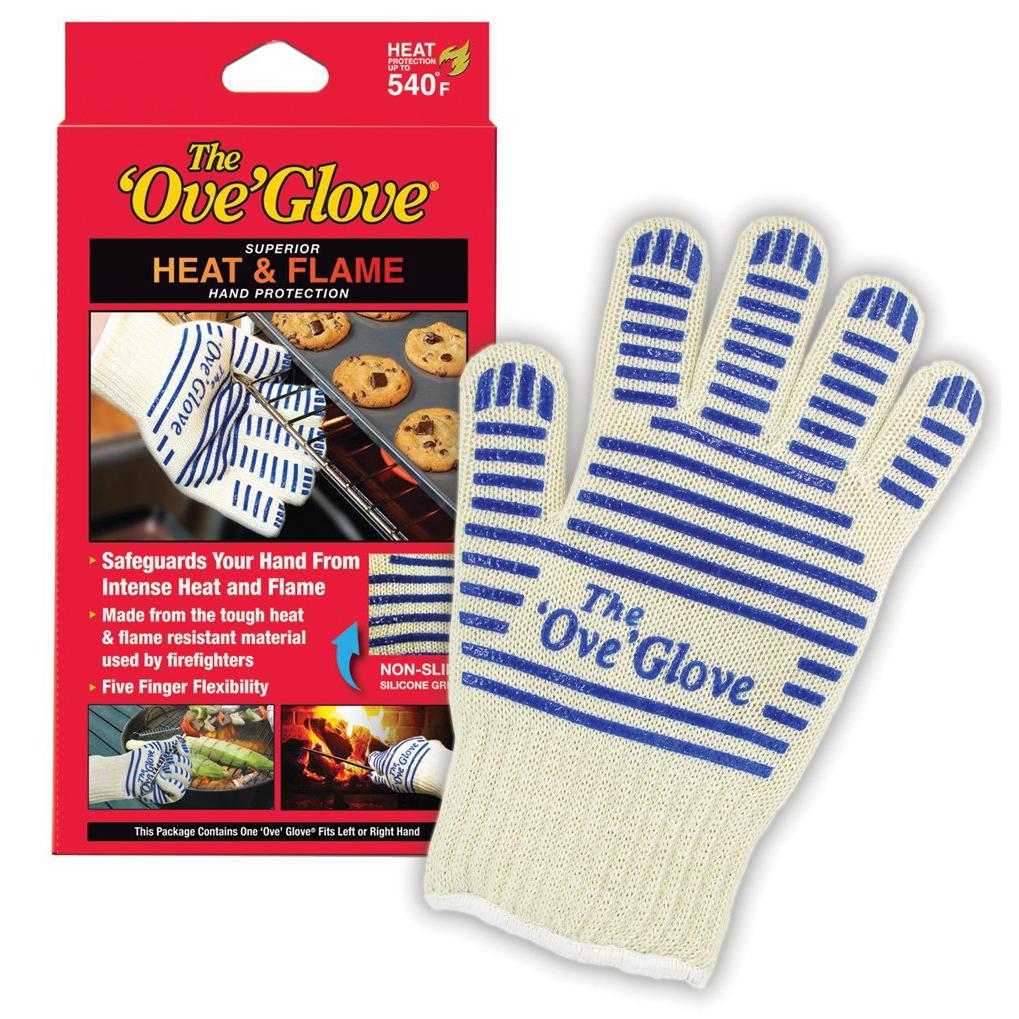
Protect your hands while cooking with the Ove Glove
Safe Broiling Practices
Achieving both safety and flavor while broiling is possible. First, ensure proper ventilation. A good exhaust fan or open window helps reduce smoke and potential fire hazards. When opening the broiler door, stand to the side to avoid a blast of heat.
It’s also wise to line your broiler pan with foil. This prevents food from sticking and makes cleanup easier. Just be sure to trim any excess foil to avoid it catching fire. Lastly, keep a fire extinguisher nearby as a precaution. If you’re interested in more holiday cooking safety tips, visit this site.
Choosing High Temperature Cookware
Having the right cookware is essential for successful broiling. Not all materials can handle the intense heat a broiler generates. Let’s discuss the best cookware choices and how to use them safely in your kitchen.
Best Cookware for Broiling
When selecting cookware, choose materials like stainless steel or cast iron. These can withstand high temperatures without warping. Avoid glass or non-stick cookware, which can crack or release harmful fumes under broiler heat.
Another option is broiler-safe ceramic dishes. They’re excellent for even cooking and can go from oven to table. Always check the manufacturer’s instructions to confirm broiler safety. Investing in quality cookware not only improves your cooking results but also enhances safety.
Safe Cooking Tips for Home Cooks
To keep your kitchen safe, always handle cookware with care. Wear oven gloves when placing or removing dishes from the broiler. This prevents burns from hot surfaces. Be mindful of the oven’s interior temperature; it can be hotter than expected.
Keep your workspace organized, with all necessary tools and ingredients within reach. This minimizes the need to leave the broiler unattended. Remember, organization leads to safer cooking experiences.
Kitchen Safety with High Heat
Cooking with high heat demands respect and caution. Always keep a close watch on your food and surroundings. Avoid loose clothing that could accidentally touch hot surfaces. Securely tie back long hair to prevent it from catching fire.
Educate everyone in your household about broiler safety. Explain the risks and demonstrate safe practices. Knowledge is a powerful tool for preventing kitchen accidents. For more detailed kitchen safety tips, explore this article.
Protective Gear for Broiling
Using protective gear is a smart strategy for preventing burns. Let’s look at the benefits of heat-resistant gloves, choosing the right oven glove, and the importance of long-handled utensils.
Benefits of Heat-Resistant Gloves
Heat-resistant gloves are essential when using a broiler. They shield your hands from intense heat and allow you to handle hot cookware with ease. Made from durable materials, these gloves can withstand temperatures up to 500°F. This protection is crucial for any cooking enthusiast.
By wearing these gloves, you reduce the risk of burns and make cooking more enjoyable. Don’t compromise on safety; invest in a quality pair of heat-resistant gloves today.
Choosing the Right Oven Glove
Selecting the right oven glove is important for optimal safety. Look for gloves with a snug fit. This ensures better control when handling hot dishes. Also, consider gloves with silicone grips for extra traction.
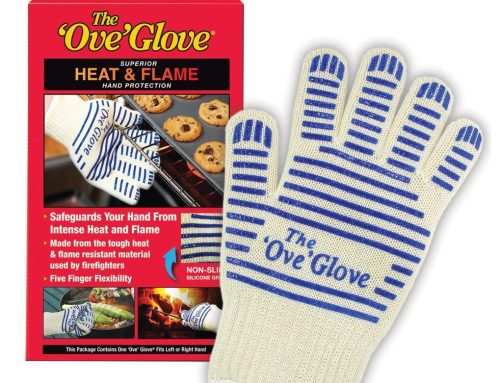
A popular choice among home cooks is the Ove Glove. It’s designed to provide maximum heat resistance and flexibility. Prioritize comfort and durability when choosing your oven gloves. For more on preventing kitchen fires, visit this resource.
Long-Handled Utensils for Safety
Long-handled utensils play a key role in broiler safety. They allow you to turn and remove food without getting too close to the heat source. Invest in a set of long-handled tongs and spatulas made from heat-resistant materials.
These utensils not only protect you from burns but also provide better leverage when cooking. Keeping a safe distance minimizes the chance of accidents and enhances your cooking experience.
Effective Broiling Techniques
Mastering broiling techniques can enhance your cooking results while keeping you safe. Let’s explore how to monitor food, prevent burns, and achieve optimal results.
Monitoring Food Under Broiler
Keeping a close eye on your food is essential when broiling. Check your dish every few minutes to ensure even cooking. Use a timer to help stay on track and avoid overcooking. Quick adjustments can make a big difference in results.
Lighting is also important. Ensure your oven light works properly, making it easier to see your food’s progress. This vigilance helps prevent burns and leads to perfectly cooked meals.
Prevent Burns with Strategic Broiling
Strategic broiling involves planning and positioning. Prioritize placing thicker cuts of meat further from the heat source. This prevents the exterior from burning before the interior cooks. When broiling vegetables, keep them uniform in size for even cooking.
Flip foods halfway through cooking for balanced results. These simple strategies not only enhance flavor but also reduce the risk of burns.
Using Broiler for Optimal Results
To achieve the best results, experiment with different broiler settings. Some ovens offer high and low options. Use low settings for delicate foods and high for quick searing. Adjust based on the dish you’re preparing.
By understanding your broiler and its capabilities, you can create delicious meals safely. This knowledge empowers you to cook with confidence and enjoy the process.
Troubleshooting Broiler Issues
Even with the best preparation, broiler issues can arise. Knowing how to handle these challenges ensures a safe cooking environment.
Preventing Food from Burning
To prevent burning, stay attentive and proactive. Adjust the broiler rack’s position to control heat exposure. Thicker foods may require more distance from the heat source. Use a meat thermometer to check internal temperatures, ensuring doneness without overcooking.
Frequent checks and adjustments are key to avoiding burnt food. Recognizing and addressing potential issues early makes all the difference.
Handling Broiler Malfunctions
If your broiler malfunctions, stay calm and assess the situation. Turn off the appliance immediately to prevent further issues. Check for any visible damage or blockages. If repairs are needed, contact a professional technician.
Avoid attempting repairs yourself, as this could lead to accidents. Keeping your broiler in good condition ensures safe and efficient operation.
Broiler Safety in Emergencies
In case of a kitchen emergency, have a plan in place. Keep a fire extinguisher nearby and know how to use it. If a fire occurs, leave the area and call emergency services. Never attempt to fight a large fire on your own.
Safety is your top priority. By preparing for emergencies, you protect yourself and those around you. Stay informed and vigilant to enjoy safe and enjoyable cooking experiences.


All major credit cards accepted
Free Shipping – Order – Track Order – Contact Us
How to Prevent Burns When Taking Food Out of the Oven
How to Prevent Burns When Taking Food Out of the Oven Burns in the kitchen happen more often than you think, especially when handling hot dishes straight from the oven. If you’ve ever flinched from a sudden steam burst or struggled with slippery mitts, you’re not alone. This post shares [...]
Can Oven Mitts Get Wet? Why Moisture Makes Heat Protection Worse
Can Oven Mitts Get Wet? Why Moisture Makes Heat Protection Worse Using wet oven mitts is more dangerous than most people realize. Moisture can sneak into the fabric and cut down its heat protection, putting your hands at risk. If you care about kitchen safety, understanding the moisture impact on [...]
Best Oven Gloves for Air Fryers
Best Oven Gloves for Air Fryers Handling hot air fryer baskets without the right gloves can turn meal prep into a risky task. Many oven gloves fall short when it comes to heat resistance, grip, or flexibility, making it harder to cook safely and comfortably. This guide highlights the best [...]
Best Oven Mitts for People With Small Hands and Large Hands
Best Oven Mitts for People With Small Hands and Large Hands Most oven mitts come in one size fits all, but that often means they fit no one well. If you have small hands, bulky mitts can feel clumsy and unsafe. Large hands? You might struggle to get a proper [...]
Are Oven Mitts or Gloves Better for Grip?
Are Oven Mitts or Gloves Better for Grip? Grabbing hot cookware without a solid grip can turn your kitchen into a danger zone. Oven mitts and gloves both promise protection, but which one really holds tight when it matters most? Let’s break down how texture, flexibility, and coverage affect oven [...]
Oven Mitt vs Oven Glove: What’s the Difference?
Oven Mitt vs Oven Glove: What's the Difference? Most home cooks treat oven mitts and oven gloves like the same thing. The truth is, each offers different levels of heat resistance, coverage, and control. Knowing these differences can keep you safer and more comfortable in the kitchen. Let’s break down [...]