
Top Features to Consider in Heat-Resistant Gloves: Why Ove Gloves Are a Game Changer
Most heat-resistant gloves fail when you need them most—right at the hottest moment. Your cooking safety depends on gloves that combine strong material quality with smart grip design and real comfort. This buyer’s guide breaks down the must-have features to watch for, so you can pick protective gear that performs. Stick around to see how Ove Gloves check every box and raise the standard in heat protection. Learn more here.
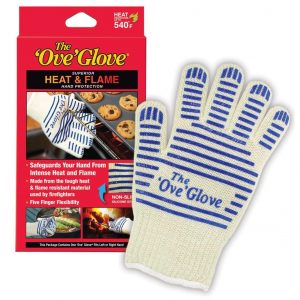
Never burn your hands again while cooking!

Key Features of Heat-Resistant Gloves
When selecting heat-resistant gloves, consider the key features that ensure your safety and comfort while cooking. Let’s delve into what makes a great glove.
Material Quality Matters
The material of your gloves can make or break your cooking experience. Why? Because the right material keeps your hands safe. Aramid fibers are a prime choice. These fibers are incredibly strong and can withstand high temperatures. But it’s not just about strength. You also need a material that feels good to wear. Cotton linings, for example, add that extra comfort layer.
Consider these benefits:
-
Heat protection: Keeps your hands safe from burns.
-
Durability: Lasts longer, saving you money.
-
Comfort: Makes wearing them a pleasant experience.
Look for gloves with a blend of aramid fibers and cotton lining. This combination offers the best of both worlds. And remember, when it comes to cooking, your safety starts with quality materials. If you’re curious about popular options available, don’t miss the selection on Amazon.
Understanding Heat Resistance Levels
Not all gloves are created equal. Some might handle low heat, while others can take on blazing temperatures. But how do you know which is which? It’s vital to check the heat resistance level. This tells you how much heat the gloves can handle safely.
Here’s what to consider:
-
Temperature rating: Look for gloves rated for at least 500°F.
-
Thickness: Thicker gloves often provide better heat resistance.
-
Testing: Ensure gloves have been tested for safety standards.
Choosing gloves with the right heat resistance level means you can cook with confidence. No more worrying about burns or discomfort. For a more in-depth look at top-rated options, check out this guide from Serious Eats.
Importance of Grip Design
Imagine holding a hot pan, only to have it slip from your hands. Scary, right? That’s where grip design comes in. A glove’s grip makes a huge difference in your cooking safety.
Here’s what to look for:
-
Silicone grips: Provide a non-slip surface.
-
Patterned designs: Enhance the grip further.
-
Flexibility: Allows for better control and comfort.
A glove with a well-thought-out grip design ensures you can handle pots and pans with ease. It’s not just about safety; it’s about cooking with confidence. Remember, a secure grip means fewer accidents. Curious about different grip designs? Explore various options on eBay.
Comfort and Safety in Cooking
Equally important as material and grip is how comfortable and safe the gloves feel while cooking. Let’s explore why these aspects matter.
Prioritizing Comfort in Gloves
Comfort might not seem as crucial as heat resistance, but think again. Comfortable gloves mean you can wear them longer without irritation. And when you enjoy wearing them, you’re more likely to use them consistently.
Consider these factors for comfort:
-
Breathability: Keeps your hands cool and dry.
-
Fit: Snug but not too tight; allows for natural movement.
-
Weight: Lightweight gloves are often more comfortable.
Prioritizing comfort means more enjoyable cooking sessions. When gloves feel right, you can focus on creating delicious dishes without distraction.
Enhancing Cooking Safety
Safety isn’t just about avoiding burns. It’s about creating an environment where you can cook freely and confidently. Reliable gloves play a significant role here.
Here’s how good gloves enhance safety:
-
Barrier against heat: Protects your skin from direct contact.
-
Improved grip: Reduces the risk of accidents.
-
Confidence boost: Lets you focus on cooking, not on potential hazards.
By choosing gloves that enhance your safety, you can truly enjoy the cooking process. And the longer you wait to upgrade your gear, the longer you risk mishaps.
Why Ove Gloves Stand Out
Now that you know what to look for in heat-resistant gloves, it’s time to see how Ove Gloves measure up. They don’t just meet standards—they set them.
Ove Gloves Material and Design
Ove Gloves use kevlar and silicone in their construction. This combination provides excellent heat protection and durability. They are designed with comfort in mind, offering a snug fit and lightweight feel.
Key features include:
-
Heat resistance up to 540°F
-
Non-slip silicone grips for secure handling
-
Flexible design for easy maneuverability
These elements make Ove Gloves a top choice for anyone serious about cooking safety. They promise durability and comfort, ensuring you have the best cooking experience possible.
Cooking Safety with Ove Gloves
Cooking is more than just a task—it’s an experience. And Ove Gloves elevate your safety, allowing you to focus on creating culinary delights.
Benefits include:
-
Enhanced grip: Reduces accidents in the kitchen.
-
Reliable protection: Keeps your hands safe from heat.
-
Confidence in cooking: Lets you tackle new recipes without fear.
With Ove Gloves, you don’t just cook; you create with confidence. They are the solution to your heat protection needs, ensuring every cooking session is safe and enjoyable.
In summary, choosing the right gloves makes all the difference. From material quality to grip design, each feature contributes to your overall cooking safety. And in the world of heat-resistant gloves, Ove Gloves truly stand out.
By understanding and prioritizing these key features, you ensure a safer, more comfortable cooking experience every time.
Never burn your hands again while cooking!


All major credit cards accepted
Free Shipping – Order – Track Order – Contact Us
How to Safely Handle Hot Pots and Pans
How to Safely Handle Hot Pots and Pans Handling hot pots and pans without the right approach can lead to painful burns and kitchen accidents. If you’ve ever felt unsure about how to handle hot cookware or worried about slipping while carrying a heavy pot, you’re not alone. This post [...]
Are Silicone Oven Mitts Better Than Traditional Oven Mitts?
Are Silicone Oven Mitts Better Than Traditional Oven Mitts? Most home cooks stick with traditional oven mitts because that’s what they know. But silicone oven mitts offer a very different feel and function. In this oven mitt comparison, you’ll see how heat resistance, grip, flexibility, and cleaning stack up between [...]
How to Choose the Best Oven Mitt for Your Kitchen
How to Choose the Best Oven Mitt for Your Kitchen Most oven mitts promise protection, but many fall short when it really counts. You’ve probably felt that quick burn or struggled with a mitt that’s too stiff or slips off your hand. Finding the best oven mitt means looking beyond [...]
How Hot Can Oven Mitts Get? Understanding Heat Resistance
How Hot Can Oven Mitts Get? Understanding Heat Resistance Most people assume all oven mitts handle the same heat, but that’s far from true. If you’ve ever felt a sudden burn despite wearing mitts, you know how risky it can get. This post breaks down oven mitt heat resistance, revealing [...]
10 Kitchen Safety Tips Every Home Cook Should Know
10 Kitchen Safety Tips Every Home Cook Should Know Most home cooks underestimate the risks lurking in their own kitchens until an accident happens. Cuts, burns, and fires can all be avoided with simple steps that protect you and your loved ones. This post shares 10 kitchen safety tips that [...]
Kitchen Safety: How to Prevent Burns When Cooking
Kitchen Safety: How to Prevent Burns When Cooking Burns in the kitchen happen faster than you think, turning a fun cooking session into a painful memory. If you’ve ever worried about touching a hot pan or spilled boiling water, you’re not alone. This post shares straightforward kitchen safety steps to [...]


