
Mastering Bread Baking: Your Guide to Safe and Delicious Results at 450 Degrees
Baking bread at 450 degrees brings out the perfect crust and crumb, but it also demands careful attention to safety. If you’ve ever burned yourself or worried about handling hot trays without the right tools, you’re not alone. This guide shares essential bread safety tips and bread baking techniques that help you keep your hands protected with a reliable oven glove while achieving delicious results every time. Let’s get you baking bread safely and confidently. For more tips, check out this helpful resource.

Order the Ove Glove today and get FREE shipping!
Introduction to Bread Baking
Bread baking is a rewarding experience that can fill your home with warmth and delicious aromas. To kick off your baking journey, it’s crucial to grasp the essentials of this art.
Understanding Baking at 450 Degrees
Baking bread at 450 degrees is where the magic happens. This temperature brings out a crust that is both crunchy and flavorful. High heat also ensures a well-cooked interior. But, handling such high heat requires caution to prevent burns. Did you know that a reliable oven glove can make all the difference? The right glove protects your hands and lets you focus on creating that perfect loaf. Most people think that baking at high temperatures is daunting, but with the right tips, it becomes a breeze. Explore more on The Fresh Loaf for community insights.
Essential Bread Baking Techniques
Let’s talk technique. Knowing how to handle dough is key. Kneading helps develop gluten, which gives bread its structure. Aim to knead until the dough feels smooth and elastic. Proofing is equally important: let your dough rise in a warm spot until it’s doubled in size. Here’s the key insight: practice makes perfect. Experiment with different proofing times to see how it affects your bread’s texture and flavor. For a deeper dive into bread baking secrets, check out this bread baking guide.
Preparing for Success
Preparation is half the battle in baking. By organizing your space and ingredients, you set yourself up for success.
Gathering Your Baking Tools
Start with the basics: mixing bowls, a dough scraper, measuring cups, and a good oven glove. Each tool has its purpose and makes the process smoother. For instance, a dough scraper helps you handle sticky dough more easily. Using the right tools not only improves results but also boosts your confidence as a baker. Consider joining a baking community to learn how others use their tools effectively.
Choosing the Right Ingredients
Your ingredients set the foundation for great bread. Choose high-quality flour, fresh yeast, and pure water. Salt adds flavor, but too much can inhibit yeast activity. Here’s a tip: always measure your ingredients accurately to ensure consistency. Some bakers swear by weighing ingredients for precision. Once you have the right ingredients, you’re ready to start mixing.
Safety First in Bread Baking
Safety is a non-negotiable aspect of baking. By following these guidelines, you can bake delicious bread without worry.
Bread Safety Tips and Precautions
When baking at high temperatures, burn risks increase. Always preheat your oven and position racks before it gets too hot. Use an oven glove to handle trays safely. Keep the kitchen area clutter-free to avoid accidents. Did you know that placing a damp towel nearby can help cool down hot surfaces quickly? This small step can prevent burns and mishaps.
The Role of an Oven Glove
An oven glove is your best friend in the kitchen. It’s not just about comfort; it’s about safety. A good glove offers heat resistance and grip, making it easier to handle hot items. Most people overlook this, but investing in a quality glove can save you from painful burns. Look for gloves with high heat tolerance and flexible materials for the best protection.
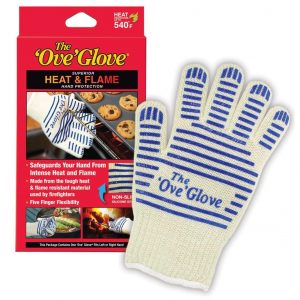
Protect your hands while cooking with the Ove Glove
Perfecting the Baking Process
With tools and ingredients ready, it’s time to bake your masterpiece. Let’s ensure your bread turns out just right.
How to Bake Bread Safely
Start by placing your dough in the oven with care. Keep your glove on when adjusting trays. Set a timer to avoid overbaking. It’s tempting to peek, but each time you open the oven, heat escapes, affecting your bread. The longer you wait to master these steps, the more challenging baking becomes. Here’s the solution: practice makes confidence.
Monitoring and Adjusting Temperatures
Temperature control is crucial for perfect bread. Use an oven thermometer to verify the heat. Adjust your oven settings if needed to maintain the right temperature. If you notice uneven baking, consider rotating your bread halfway through. This simple adjustment can ensure an even crust and crumb.
Troubleshooting and Tips
Even seasoned bakers face challenges. Here’s how to tackle common issues and refine your skills.
Common Bread Baking Mistakes
Overproofing, under-kneading, or forgetting salt can ruin a loaf. Always keep an eye on your dough’s rise and texture. If your bread is too dense, it might need more kneading. Light and airy bread often result from proper gluten development. Remember, mistakes are learning opportunities, not failures.
Enhancing Flavor and Texture
Flavorful bread elevates any meal. Experiment with different flours or add seeds for texture. A splash of olive oil can create a softer crumb. For a tangy twist, try fermenting your dough longer. These small tweaks can transform a basic loaf into something extraordinary. Check out this inspiring video for creative ideas.
By keeping safety at the forefront and embracing these techniques, you’re set to bake bread that delights and inspires. As you practice, remember: each loaf brings you closer to mastery. Enjoy the journey and happy baking!


All major credit cards accepted
Free Shipping – Order – Track Order – Contact Us
What Every Home Cook Needs to Know
Understanding Thermal Resistance: What Every Home Cook Needs to Know Most oven gloves fail when temperatures soar above 400 degrees. You don’t have to settle for burned hands or ruined meals. Understanding thermal resistance and the role of heat resistant materials like silicone cooking utensils, aramid fibers, and cotton insulation [...]
A Guide for Safe Cooking and Material Choices
Why Kitchen Surfaces Retain Heat: A Guide for Safe Cooking and Material Choices Some kitchen surfaces hold heat so long, they could burn you long after the stove is off. Knowing why this happens can save you from painful accidents and help you choose materials that suit your cooking style. [...]
Why Metal Racks Cause Severe Cooking Injuries
Understanding Heat Retention: Why Metal Racks Cause Severe Cooking Injuries Oven rack burns catch many home cooks off guard because these thin metal racks hold intense heat long after the oven is off. When your forearm or hand brushes against one, the pain can be far worse than you expect. [...]
How to Cook Safely and Avoid Kitchen Catastrophes
The Dangers of Oven Overcrowding: How to Cook Safely and Avoid Kitchen Catastrophes Stuffing your oven with too many dishes might seem like a time-saver, but it often backfires. Overcrowding blocks air flow, creating oven hot spots that burn some meals while leaving others undercooked. If you want to avoid [...]
Tips for Staying Safe with an Oven Glove
Dangerous Foods to Fry at Home: Tips for Staying Safe with an Oven Glove Turkey frying at home can quickly turn dangerous if you’re not careful. Many don’t realize how frozen foods and water oil reactions cause sudden flare-ups and splash burns in cooking. If you want to keep your [...]
Essential Cooking Safety Tips for Home Chefs
The Hidden Dangers of Steam Burns: Essential Cooking Safety Tips for Home Chefs Steam burns happen faster and hurt worse than dry heat burns, yet many home chefs underestimate the danger lurking around boiling cookware. When you lift a lid or handle a pot, trapped steam escapes with surprising force [...]


