
Baking Soda for Ants: Your Ultimate Guide to Natural Kitchen Pest Control
Ants creeping into your rice container can turn meal prep into a frustrating chore. Tossing out spoiled rice wastes money and leaves you wondering how to keep your pantry pest-free. Using baking soda for ants offers a natural pest control method that protects your food without harsh chemicals. In this guide, you’ll learn simple prevention hacks and safe storage solutions to stop ants from invading your kitchen staples. Learn more about effective food storage techniques here.
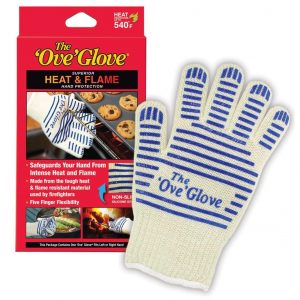
Never burn your hands again while cooking!

Baking Soda for Ants: A Natural Solution
Imagine opening your pantry to find ants swarming your favorite ingredients. Baking soda could be your new best friend in these moments. It’s an easy and natural way to send ants packing.
Understanding Baking Soda’s Effectiveness
Baking soda disrupts ants’ digestive systems, acting as a natural deterrent. When ants consume it, it creates a reaction that they simply can’t handle. This makes it highly effective in keeping them away.
Moreover, baking soda is a household staple, so you likely have it on hand. Instead of buying harsh chemicals, you can use something already in your cupboard. This simple switch to natural pest control is both cost-effective and eco-friendly.
Simple Baking Soda Methods
Using baking soda is straightforward. Start by mixing equal parts of baking soda and sugar. The sugar attracts ants, leading them to the baking soda. Sprinkle this mix near entry points and watch it work.
You can also try placing small containers with this mix in corners or along windowsills. Keeping a close watch on these spots will help ensure ants don’t return. For more home remedies, check out this Reddit thread.
Benefits of Eco-Friendly Ant Removal
Going green isn’t just a trend—it’s a responsible choice for your home and the planet. By choosing eco-friendly methods like baking soda, you avoid exposing your family to harmful chemicals.
Not only is this safer, but it’s also effective. Many homeowners have found that natural methods work just as well, if not better, than traditional ones. Plus, they come with the added peace of mind that you’re protecting the environment.
Safe Storage Solutions for a Pest-Free Kitchen
Keeping ants out starts with how you store your food. Proper storage is a simple yet powerful way to protect your pantry staples from unwanted visitors.
Properly Sealing Your Containers
Airtight containers are a game-changer. They keep food fresh and block ants from sneaking in. Invest in quality containers with secure lids to fortify your pantry against pests.
Choose glass or BPA-free plastic containers for long-term storage. They’re durable and help maintain the quality of your food. Remember, the goal is to create a barrier that ants can’t penetrate. For more sealing tips, explore this TikTok video.
Natural Repellents for Ant Prevention
Beyond baking soda, consider other natural repellents. Essential oils, like peppermint, can deter ants effectively. A few drops on a cotton ball placed in strategic spots can do wonders.
You can also use vinegar to wipe down surfaces. Its strong scent repels ants and helps keep your kitchen clean. These natural solutions are simple to implement and can make a big difference.
Cleaning Techniques to Deter Pests
A clean kitchen is an ant-free kitchen. Regularly wiping down surfaces and sweeping floors can prevent crumbs that attract ants. Pay special attention to hidden spots where food particles might collect.
Consider deep cleaning your pantry every few months. This helps eliminate any food residues that might draw ants in. Emily’s Maids offers great advice on maintaining a spotless kitchen.
Preventing Ants in Rice: Essential Tips
Rice is a staple in many homes, making it a prime target for ants. Implement these essential tips to keep your rice safe and ant-free.
Best Practices for Safe Kitchen Storage
Store rice in a cool, dry place to prevent moisture buildup. Use airtight containers to seal out pests and keep your rice fresh. This not only protects against ants but also extends the shelf life of your rice.
Label containers with purchase dates to rotate stock effectively. This practice ensures you’re using older rice first, reducing waste and preventing infestations.
Tips for Maintaining a Clean Pantry
A tidy pantry is less inviting to ants. Regular organization helps you spot potential problems early. Clean up spills immediately and dispose of expired items promptly.
Consider setting up a schedule for pantry checks. This proactive approach can save you from larger pest issues down the road. Joining communities like this Facebook group can offer more shared experiences and advice.
Effective Strategies for Ant Control
Consistency is key in ant control. Regularly checking and refreshing your ant deterrents keeps your kitchen secure. Rotate natural repellents to maintain their effectiveness.
When battling stubborn ants, persistence pays off. Stay vigilant with your methods, and soon, your kitchen will be a pest-free haven.
Never burn your hands again while cooking!
Best Oven Mitts for People With Small Hands and Large Hands
Best Oven Mitts for People With Small Hands and Large Hands Most oven mitts come in one size fits all, but that often means they fit no one well. If you have small hands, bulky mitts can feel clumsy and unsafe. Large hands? You might struggle to get a proper [...]
Are Oven Mitts or Gloves Better for Grip?
Are Oven Mitts or Gloves Better for Grip? Grabbing hot cookware without a solid grip can turn your kitchen into a danger zone. Oven mitts and gloves both promise protection, but which one really holds tight when it matters most? Let’s break down how texture, flexibility, and coverage affect oven [...]
Oven Mitt vs Oven Glove: What’s the Difference?
Oven Mitt vs Oven Glove: What's the Difference? Most home cooks treat oven mitts and oven gloves like the same thing. The truth is, each offers different levels of heat resistance, coverage, and control. Knowing these differences can keep you safer and more comfortable in the kitchen. Let’s break down [...]
Ove Glove Temperature Rating: How Much Heat Can It Handle?
Ove Glove Temperature Rating: How Much Heat Can It Handle? Most kitchen gloves claim to protect you from heat, but how much can the Ove Glove really handle? When you’re grabbing hot pans or pulling trays from the oven, knowing the exact temperature ratings of gloves matters. This post breaks [...]
Best Oven Gloves for Grilling and Outdoor Cooking
Best Oven Gloves for Grilling and Outdoor Cooking Most oven gloves struggle with the heat and mess of outdoor cooking. You need gloves that stand up to flames, water, and rough handling without slowing you down. This guide breaks down the best oven gloves for grilling, showing you which pairs [...]
How to Safely Remove a Hot Pan From the Oven
How to Safely Remove a Hot Pan From the Oven Removing a hot pan from the oven can quickly turn from a simple task into a painful mistake. Many home cooks underestimate the risks, leading to burns or spills that disrupt dinner plans. This guide breaks down how to remove [...]


