Mastering Kitchen Safety: Your Guide to Avoiding Common Cooking Accidents
Kitchen mishaps cause over 100,000 injuries each year, many of them preventable with the right knowledge. If you’ve ever dealt with a nasty cut or a painful burn, you know how fast things can go wrong. This guide covers essential cooking injuries prevention techniques to keep your kitchen a safe place, whether you’re a home cook or just starting out. Let’s get into kitchen safety tips that actually work. For more information, check out this resource.

Understanding Kitchen Safety
Keeping kitchens safe is crucial. By knowing common risks, you can prevent painful accidents. Let’s explore why avoiding injuries matters and how you can make your cooking space safer.
Importance of Preventing Injuries
Preventing injuries in the kitchen is not just about avoiding a trip to the hospital. It’s about creating a smooth cooking environment. By staying safe, you ensure that cooking remains enjoyable. Plus, a safe kitchen means fewer disruptions to your day. Imagine cooking without fear of cuts or burns. You can focus on making delicious meals without worry.
Overview of Common Cooking Accidents
Cooking accidents often involve cuts, burns, and slips. Many of these incidents happen because of carelessness. For example, using dull knives can lead to slips, increasing the risk of cuts. Burns often occur when you’re distracted and accidentally touch a hot surface. Slips and falls usually happen on wet or cluttered floors. Understanding these common accidents can help you avoid them.
Safe Cooking Practices
Safe cooking involves more than just following recipes. It means being vigilant in the kitchen. One way to stay safe is to keep your workspace organized. Clear counters reduce the risk of accidents. Always pay attention to what you’re doing. Distractions can lead to mistakes. You can also learn more about safe cooking practices by visiting this guide.
Preventing Cuts in the Kitchen
Cuts are one of the most common kitchen injuries. But with a few simple steps, you can keep your fingers intact. Let’s look at how you can handle knives and sharp tools safely.
Knife Safety Tips
Using a knife correctly can prevent many kitchen accidents. First, always use a sharp knife. It might seem counterintuitive, but sharp knives are safer because they require less force. Grip the handle firmly and keep your fingers tucked away from the blade. When you’re not using your knife, place it in a safe location. Remember, safety starts with the right tools and techniques.
Handling Sharp Tools Safely
Sharp tools aren’t just limited to knives. Peelers, graters, and scissors also pose risks. Always use these tools with caution. Secure your grip and work slowly to maintain control. Keep tools in good condition, replacing any that are worn out. Proper storage is also vital. Store sharp tools in designated areas to avoid accidental cuts.
First Aid for Cuts
Even with precautions, cuts can happen. Knowing basic first aid can make a difference. If you cut yourself, wash the wound with soap and water. Apply pressure to stop the bleeding. Cover the cut with a clean bandage. If the cut is deep or won’t stop bleeding, seek medical help. Being prepared can prevent a minor cut from becoming a bigger problem.
Avoiding Burns While Cooking
Burns are another frequent kitchen hazard. Understanding how to handle heat safely can protect you from painful injuries. Let’s delve into tips for managing hot surfaces and treating burns if they occur.
Kitchen Safety Tips for Heat
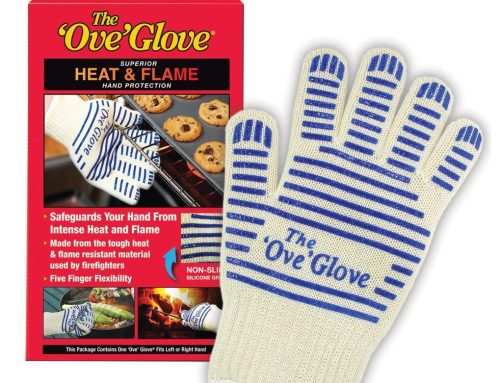
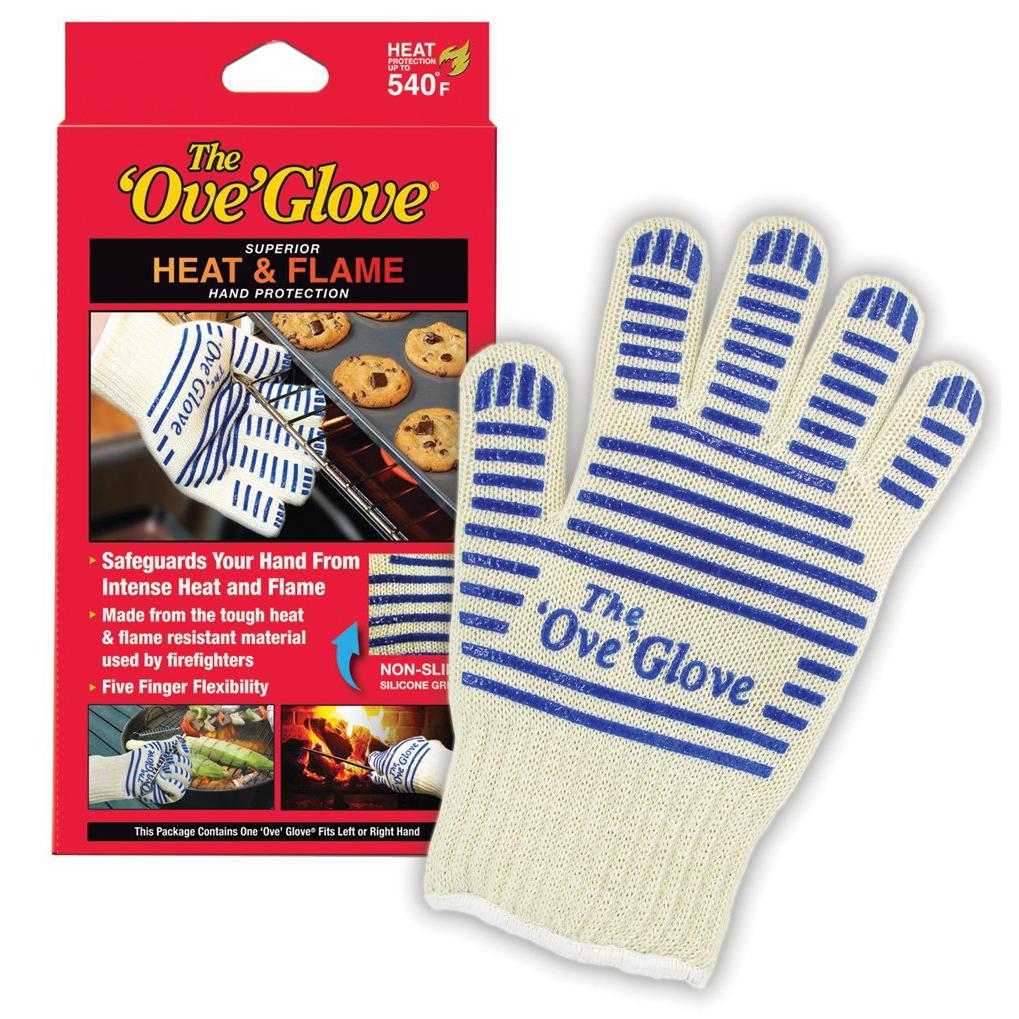
Heat is essential for cooking, but it’s also a hazard. Always use pot holders or oven mitts when handling hot items. Keep handles of pots and pans turned inward to avoid accidental knocks. Be cautious when opening lids, as steam can cause burns. By being mindful of heat, you can protect yourself from injury.
Safe Use of Ovens and Stoves
Ovens and stoves are at the heart of many meals. However, they can also be sources of accidents. Always check that burners are off when you’re done. Keep flammable materials away from the stove. Use timers to prevent overcooking and burning food. For more on safe oven and stove use, visit this helpful page.
Treating Cooking Burns
If you get burned while cooking, act quickly. Cool the burn under running water for several minutes. Do not apply ice or butter, as these can cause further damage. Cover the burn with a sterile bandage. If the burn is severe, seek medical attention. Knowing how to treat burns can minimize pain and prevent complications.
Slips and Falls: Prevention Strategies
Slips and falls are common kitchen accidents. With the right strategies, you can reduce the risk. Learn how to maintain a safe floor and respond quickly if a fall happens.
Keeping Floors Hazard-Free
A clean floor is a safe floor. Spills can lead to slips, so clean them up immediately. Use rugs with non-slip backing to prevent falls. Keep the floor clear of clutter, such as bags and boxes. Regular cleaning can help you maintain a hazard-free environment, making your kitchen safer for everyone.
Proper Footwear in the Kitchen
Wearing the right shoes can prevent falls. Opt for footwear with good grip and support. Avoid wearing socks or slippers on smooth floors, as they can cause slipping. Proper footwear is a simple way to enhance your safety while cooking.
Quick Response to Falls
If a fall occurs, knowing how to respond is crucial. Stay calm and check for injuries. If you’re hurt, seek help immediately. If you’re uninjured, take a moment to assess what caused the fall. Addressing hazards promptly can prevent future accidents.
Building Safe Cooking Habits
Good habits in the kitchen keep you and others safe. By adopting clean and mindful practices, you can create a secure cooking environment.
Importance of Clean Workspaces
A tidy workspace is essential for safe cooking. Regularly wipe down surfaces to prevent the spread of germs. Organize your tools and ingredients for easy access. A clean workspace reduces the chance of accidents and makes cooking more enjoyable.
Mindful Cooking Practices
Mindfulness in the kitchen means paying attention to what you’re doing. Avoid multitasking while cooking. Focus on one task at a time to reduce mistakes. Being present helps you notice potential hazards and make safer choices.
Continuous Learning and Safety Awareness
Kitchen safety is an ongoing process. Stay informed about best practices and new safety tips. Share what you learn with others in your household. By keeping safety top of mind, you can prevent accidents and create a safer kitchen for everyone. For more tips on maintaining a safe kitchen, check out this resource.
By adopting these strategies, you can enjoy cooking without the fear of accidents. Keep learning and stay safe!

All major credit cards accepted
Free Shipping – Order – Track Order – Contact Us
How to Protect Your Hands From Burns While Cooking
How to Protect Your Hands From Burns While Cooking Burns in the kitchen happen more often than you think, and they can ruin your cooking time fast. Keeping your hands safe isn’t just about luck—it’s about using the right tools and knowing smart ways to handle hot cookware. In this [...]
Best Oven Mitts for Dutch Ovens and Cast Iron Cookware
Best Oven Mitts for Dutch Ovens and Cast Iron Cookware Heavy cast iron and Dutch ovens hold heat like a furnace, making every grab a potential burn risk. If your oven mitts aren’t up to the task, you’re asking for trouble. This guide breaks down the best oven mitts for [...]
How to Handle a Cast Iron Skillet Safely When It’s Hot
How to Handle a Cast Iron Skillet Safely When It's Hot Handling a hot cast iron skillet can feel like walking a tightrope without a safety net. One wrong move, and you risk burns or spills that ruin your cooking flow. This guide will share practical cooking safety tips and [...]
How to Safely Remove a Hot Baking Dish From the Oven
How to Safely Remove a Hot Baking Dish From the Oven Burns from hot baking dishes happen more often than you might think, and a split second of carelessness can ruin your day. You want to enjoy your delicious meals without risking painful accidents or messy spills. Learning how to [...]
Can You Use Oven Mitts on a Grill?
Can You Use Oven Mitts on a Grill? Grilling at high heat demands gear that keeps your hands safe from sudden flare-ups and scorching racks. Many wonder if their trusty oven mitts can handle the heat outdoors or if specialized grilling gloves are a must. This post breaks down what [...]
What Are the Best Oven Mitts for Cast Iron Pans?
What Are the Best Oven Mitts for Cast Iron Pans? Heavy cast iron pans demand more than just any oven mitt. If you’ve ever wrestled with thick, scorching cookware, you know how a poor grip or weak heat protection can ruin your cooking flow. This guide breaks down the best [...]