
Mastering Microwave Safety: Avoiding Burns When Reheating Food in Glass
Burns from reheating food in glass bakeware happen more often than you think. Many people don’t realize how crucial microwave safe glass and proper cooling times are to prevent thermal shock in glass. By using oven mitts safety and spotting hot spots in glass bakeware, you can protect your hands and enjoy meals without worry. Let’s look at simple reheating food tips that keep you safe every time. Learn more here.

Get FREE shipping on the Ove Glove today!
Importance of Microwave Safe Glass
Keeping your meals and hands safe starts with using the right tools. Let’s explore what makes glass safe for microwaves and how to choose wisely.
Choosing the Right Glassware
Selecting proper glassware is key. Not all glassware can handle microwave heat. When shopping, look for labels or ask the manufacturer. Some brands like Anchor Hocking offer glassware specifically made for microwaving. They design their products to withstand temperature changes. Stick to these products to avoid mishaps.
When in doubt, test your glassware. Fill it with water and heat for one minute. If the glass stays cool, it’s safe. If it gets hot, don’t use it in the microwave. This simple test can save you from accidents.
Identifying Microwave Safe Symbols
Symbols on glassware can guide you. Look for wavy lines or icons that indicate microwave safety. These symbols mean the glass has been tested. Products without symbols might not handle heat well. It’s best to avoid them for reheating.
Manufacturers know these symbols are vital. They help users identify safe options quickly. Always check for them when buying new glassware. Knowing the symbols can protect your home and family.
Preventing Thermal Shock
Avoiding thermal shock is crucial for glass safety. It involves handling temperature changes wisely. Let’s learn how to do it right.
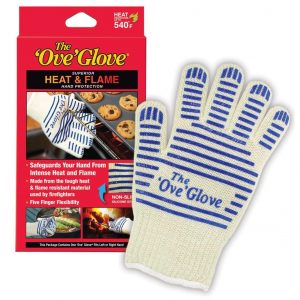
Protect your hands while cooking with the Ove Glove
Proper Cooling Times
Cooling times matter. After cooking, let your glassware sit. This prevents sudden shifts that might cause cracks. Thirty seconds to a minute is a good start. It’s a small wait for big safety gains.
Skipping this step can lead to breakage. Glass needs these moments to adjust. Ignoring cooling times is a common mistake. Most people rush, but patience is key for safety.
Avoiding Rapid Temperature Changes
Temperature changes can ruin glassware. Avoid going from freezer to microwave directly. Let glassware warm up at room temperature first. This helps avoid the stress that can cause glass to shatter.
Rapid changes are risky. They might lead to dangerous breaks. Always transition gradually. It ensures your glassware lasts longer and keeps your meals safe. Check out this discussion on Reddit for tips from other users.
Handling Hot Glass Safely
Now that your glassware is safe, let’s focus on handling it without burns. The right techniques make all the difference.
Using Oven Mitts and Gloves
Gloves protect hands from heat. Ove gloves are a popular choice. They offer flexibility while keeping your hands safe. Choose mitts that cover wrists for extra protection.
Keep mitts near the microwave. Make using them a habit. They are a simple safety step. Most people think they can handle short exposures, but heat builds quickly. Protect yourself every time you handle glassware.
Safe Lifting Techniques
Lifting hot glass needs care. Use both hands to support heavy dishes. This reduces the risk of spills or drops. Make sure your grip is secure before lifting. This simple practice can prevent accidents.
Practice safe lifting at home. It’s a habit worth forming. Many accidents happen when people lift too quickly. Take your time and ensure your safety.
Addressing Uneven Heating Risks
Microwaves can heat unevenly. This section covers identifying and managing those hot spots for safer meals.
Identifying Hot Spots
Hot spots are tricky. They can cause burns if unnoticed. They occur when microwaves don’t distribute heat evenly. Stirring food can help. It evens out temperatures and reduces risks.
Learn to spot hot spots. They might show as bubbles or steam. Knowing their signs helps you prevent burns. Your safety depends on this awareness.
Solutions for Even Reheating
Achieve even reheating with simple tricks. Use microwave-safe covers to trap steam. This helps distribute heat more uniformly. Covering food also prevents splatters.
Rotate your dishes mid-cycle. It ensures no area overheats. This small step can make a big difference. Most people overlook it, but it’s essential for safe reheating.
Practical Reheating Food Tips
In this final section, we bring together all the insights. Here are practical tips for safe and effective reheating.
Ensuring Safe Food Temperatures
Temperature matters for safety. Use a food thermometer to check if food is hot enough. 165°F is the safe zone for reheated meals. This kills harmful bacteria and ensures safety.
Don’t skip this step. It’s crucial for health. Most people assume all reheated food is safe, but checking temperatures is vital.
Best Practices for Reheating Leftovers
Reheating leftovers can be safe and easy. Spread food out in a thin layer. It helps in heating evenly. Use glass dishes suitable for microwave use. Avoid plastic as it might not handle heat well.
These practices enhance your reheating experience. They ensure meals are both tasty and safe. With these tips, you can enjoy worry-free meals every time. For more safety tips, visit Clemson.
By applying these insights, you ensure a safer kitchen environment. Knowing how to handle glassware effectively protects your hands and enhances your cooking experience. Enjoy worry-free meals with these simple steps.


All major credit cards accepted
Free Shipping – Order – Track Order – Contact Us
Top Tips for Home Cooks to Prevent Burns
Mastering Broiler Safety: Top Tips for Home Cooks to Prevent Burns Broiling can turn a simple meal into a restaurant-worthy dish fast, but it comes with risks that many home cooks overlook. Burns happen more often than you think when using broiler settings without the right precautions. This guide shares [...]
Avoid Common Kitchen Injuries
Oven Safety Tips for Baking Enthusiasts: Avoid Common Kitchen Injuries Reaching into a hot oven can cause more than just a quick burn—it often leads to painful forearm injuries that many home bakers overlook. If you’ve ever felt that sting while pulling out a tray, you’re not alone. This guide [...]
Why Wet Towels Are a Burn Risk in Your Kitchen
Hot Pan Handling: Why Wet Towels Are a Burn Risk in Your Kitchen Using a wet towel to grab a hot pan might seem like a quick fix, but it actually raises the burn risk in your kitchen. Moisture speeds up heat transfer, turning that towel into a heat conductor [...]
Why Quality Kitchen Mitts Matter More Than Ever
From Thin Materials to Slipping Risks: Why Quality Kitchen Mitts Matter More Than Ever Cheap kitchen mitts often look harmless until thin materials and poor insulation put your hands at risk. When heat protection fails at high temperatures, slipping risks grow, turning a quick grab into a dangerous moment. If [...]
The Art of Using Cooling Racks in Baking
Cool and Carry: The Art of Using Cooling Racks in Baking Handling hot muffin tins and baking pans without the right precautions can turn your kitchen into a hazard zone. Too often, home bakers overlook simple baking safety tips that keep burns and spills at bay. Learning how to use [...]
Tips to Prevent Burns While Roasting Vegetables at High Heat
Mastering Oven Safety: Tips to Prevent Burns While Roasting Vegetables at High Heat Roasting vegetables high heat brings out bold flavors, but it also pushes your kitchen safety to the edge. You might think turning up the oven only makes your veggies tastier, yet it can lead to unexpected burn [...]


