
Oven Mitt Buying Guide: How to Find the Right One
Most oven mitts on the market look alike until you’ve burned your hand or dropped a hot pan. Choosing the right one isn’t just about style—it’s about protecting your skin and gripping your cookware safely. This oven mitt buying guide breaks down what really matters: materials, size, heat resistance, and grip. Keep reading to find the best oven mitts that fit your kitchen habits and keep you cooking without worry. For more insights, check out these effective strategies for preventing kitchen injuries in kids.

Get FREE shipping on the Ove Glove today!
Understanding Oven Mitt Materials
Choosing the right oven mitt starts with understanding the materials available. Each type offers its own benefits and limitations, so let’s dive into the details.
Cotton vs. Silicone
Cotton mitts are classic and comfortable. They often feature quilted designs and are easy to wash. However, they may not provide the best protection against very high temperatures. Silicone mitts, on the other hand, are waterproof and can handle higher heat levels. They offer a non-slip grip, making them practical for handling heavy cookware. While silicone might feel less flexible, many find the added safety worth it.
Pros and Cons of Neoprene
Neoprene mitts are known for their sturdy feel and excellent heat protection. They provide a snug fit, which many cooks appreciate for better control. However, they can be heavier and less breathable than other options. Despite this, their durability and resistance to stains make them a popular choice for those who cook frequently.
Exploring Aramid Fibers
Aramid fibers are used in high-performance oven mitts. These fibers are known for their exceptional heat resistance, often used in professional settings. Aramid mitts can withstand extreme temperatures, making them ideal for grilling or baking. While they may come with a higher price tag, their long lifespan often justifies the cost.
Choosing the Right Size and Style
After selecting the material, the next step is finding a mitt that fits your hand comfortably and suits your kitchen style.
Finding the Perfect Fit
The size of your oven mitt is crucial for safety and comfort. A mitt that’s too large can be clumsy, while one that’s too small won’t provide adequate protection. Measure your hand and compare it to size charts when shopping online or in-store. Proper fit ensures you have control when handling hot items.
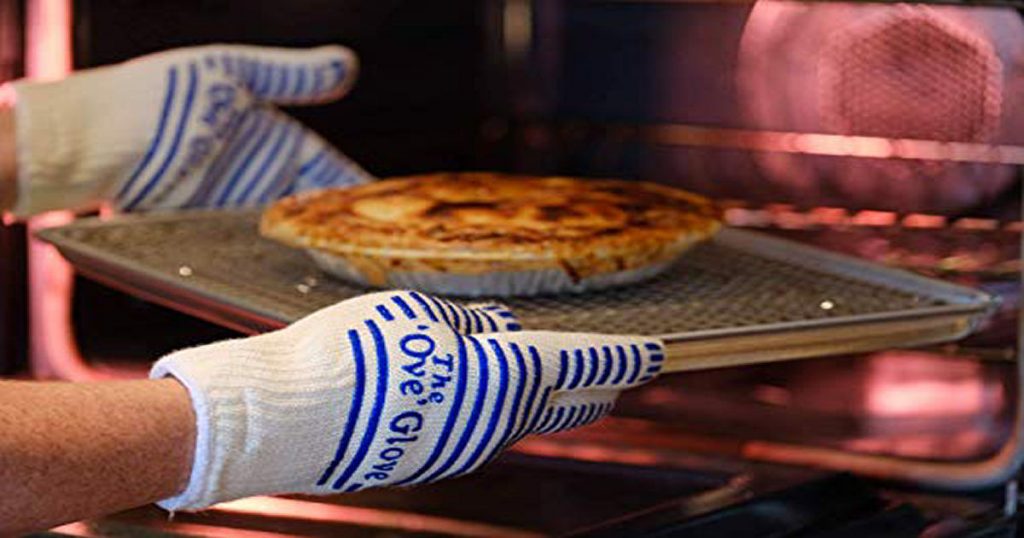
Keep your hands safe while cooking! Order today!
Popular Oven Glove Styles
Oven mitts come in various styles: traditional gloves, mitts with extra-long cuffs, and even fingered gloves for more dexterity. Traditional mitts are great for basic use, while long-cuffed versions offer added protection for your arms. Fingered gloves provide flexibility, ideal for those who frequently bake or grill.
Customizing Your Kitchen Look
Your kitchen reflects your personality, and your oven mitts can too. Choose colors and patterns that match your kitchen’s theme. Whether you prefer a sleek modern look or a vibrant vintage style, there are mitts to match your taste. Adding a personal touch can make cooking more enjoyable.
Heat Resistance and Safety Features
Understanding heat resistance and safety features is key to selecting the right mitts. These features ensure you stay safe while cooking.
Importance of Heat Resistant Oven Mitts
Heat-resistant mitts are essential for preventing burns. Look for mitts that can withstand temperatures of at least 400°F. This ensures you can handle hot pots and pans without worry. Investing in quality heat-resistant mitts is a smart choice for any home cook.
Enhanced Grip Designs
A good grip is crucial for safety in the kitchen. Many mitts feature textured surfaces or silicone patterns that enhance grip. This prevents slips and accidents when handling heavy or slippery items. Always test the grip before purchasing to ensure it meets your needs.
Evaluating Safety Certifications
Check for safety certifications when choosing your oven mitts. Certifications like NSF or CE indicate the mitts meet safety standards. These labels provide peace of mind, knowing your mitts are tested and proven safe for use.
Identifying Quality Brands
Choosing the right brand is as important as the features of the oven mitt. Quality brands offer reliability and trust.
Top Rated Oven Mitts
Researching top-rated mitts can guide you in making a good decision. Look for reviews and recommendations from trusted sources. Brands known for quality include Ove Glove, renowned for their exceptional mitts that provide excellent protection and grip.
Reading Customer Reviews
Customer reviews offer insights into the real-world performance of oven mitts. Look for feedback on comfort, durability, and heat protection. Reviews can highlight both strengths and weaknesses, helping you make a more informed choice.
Selecting Trusted Manufacturers
Choosing established manufacturers ensures you get a product that’s been tested and refined. Trusted manufacturers are more likely to offer warranties and customer support. They stand behind their products, giving you confidence in your purchase.
Personalizing Your Oven Mitt Choice
Consider your personal cooking habits when selecting oven mitts. Your choice should reflect both your needs and your style.
Consider Your Cooking Habits
Think about how you use your oven mitts. Do you bake often, or are you more of a stovetop chef? Your cooking habits dictate the type of mitt that will serve you best. Frequent bakers might prefer mitts with higher heat resistance, while casual cooks may prioritize comfort.
Balancing Functionality and Aesthetics
Your oven mitts should be as functional as they are stylish. While aesthetics matter, never compromise on safety. Choose mitts that blend well with your kitchen decor but also offer the protection you need. Functionality should always be your top priority.
Long-term Durability Considerations
Durability is a key factor in your choice. Quality mitts should last several years, even with frequent use. Look for materials and brands known for durability. Investing in a durable pair saves money and reduces waste over time.
Frequently Asked Questions
What materials are best for oven mitts?
Silicone and aramid fibers are excellent for heat resistance. Cotton is comfortable but may not offer the same level of protection. Neoprene provides a good balance of durability and heat resistance.
How do I know if my oven mitts are safe?
Check for safety certifications like NSF or CE, which ensure the mitts meet safety standards. Look for mitts that can withstand at least 400°F to ensure adequate protection.
Can I wash my oven mitts?
Yes, most oven mitts are machine washable, especially cotton ones. Always check the care instructions on the label to keep them in good condition.
Are there oven mitts that match my kitchen decor?
Yes, oven mitts come in various styles, colors, and patterns. You can find mitts to suit any kitchen theme, whether modern, vintage, or eclectic.
What makes one brand of oven mitt better than another?
Quality brands offer reliable safety and durability. Look for top-rated brands with positive customer reviews and safety certifications to ensure you’re getting a good product.


All major credit cards accepted
Free Shipping – Order – Track Order – Contact Us
Essential Kitchen Safety Tips for Preventing Burns
Protect Your Home: Essential Kitchen Safety Tips for Preventing Burns Most home cooks focus on stovetops and ovens when thinking about kitchen safety, but there’s a hidden danger many miss: hot cabinet doors. These surfaces can heat up enough to cause painful burns without warning. By spotting how heat travels [...]
Tips to Prevent Common Kitchen Injuries
Safeguard Your Culinary Space: Tips to Prevent Common Kitchen Injuries Every year, thousands end up in the ER because of kitchen accidents that sneak up on even the most careful cooks. You might think a quick slice or a minor spill won’t cause trouble, but preventing burns, slips, and knife [...]
What Every Home Cook Needs to Know
Understanding Thermal Resistance: What Every Home Cook Needs to Know Most oven gloves fail when temperatures soar above 400 degrees. You don’t have to settle for burned hands or ruined meals. Understanding thermal resistance and the role of heat resistant materials like silicone cooking utensils, aramid fibers, and cotton insulation [...]
A Guide for Safe Cooking and Material Choices
Why Kitchen Surfaces Retain Heat: A Guide for Safe Cooking and Material Choices Some kitchen surfaces hold heat so long, they could burn you long after the stove is off. Knowing why this happens can save you from painful accidents and help you choose materials that suit your cooking style. [...]
Why Metal Racks Cause Severe Cooking Injuries
Understanding Heat Retention: Why Metal Racks Cause Severe Cooking Injuries Oven rack burns catch many home cooks off guard because these thin metal racks hold intense heat long after the oven is off. When your forearm or hand brushes against one, the pain can be far worse than you expect. [...]
How to Cook Safely and Avoid Kitchen Catastrophes
The Dangers of Oven Overcrowding: How to Cook Safely and Avoid Kitchen Catastrophes Stuffing your oven with too many dishes might seem like a time-saver, but it often backfires. Overcrowding blocks air flow, creating oven hot spots that burn some meals while leaving others undercooked. If you want to avoid [...]


